
What to expect from a GP consultation for giardiasis
Short answer
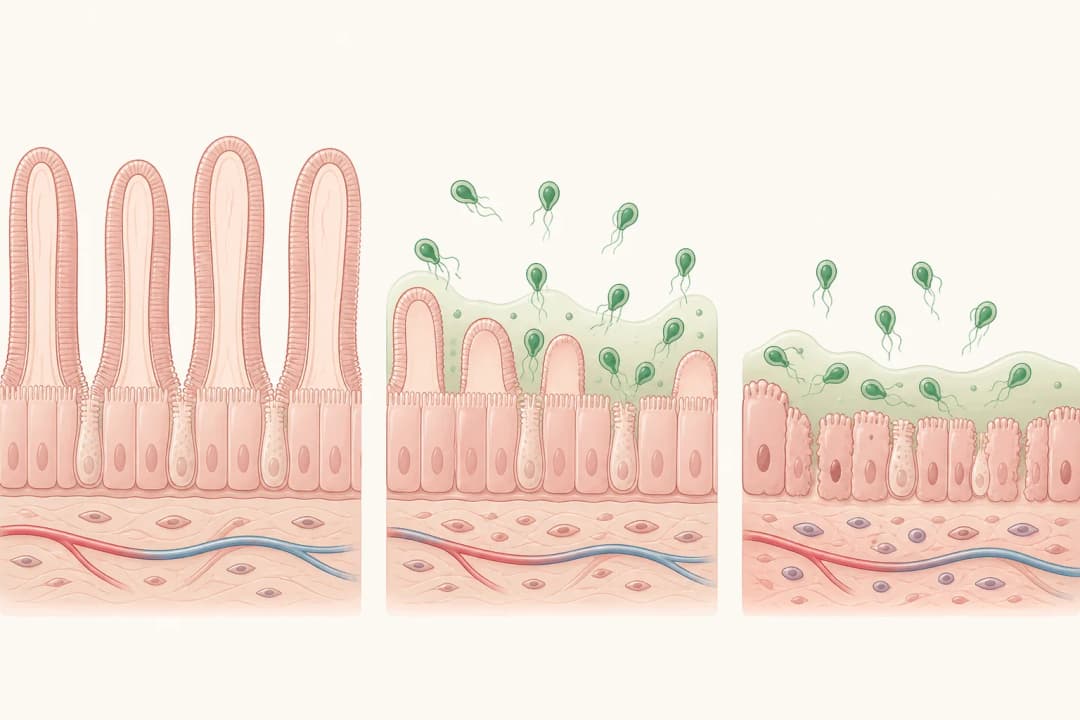
A GP consultation for giardiasis covers diarrhoea and digestive symptoms, possible water or food exposure, stool testing, and treatment planning.
This answers one question. It is not a diagnosis and does not replace an assessment by a licensed doctor.
At a glance
- Key investigation
- Stool sample testing
- Tell the GP
- Travel, water exposure, symptom pattern and current medicines
What your GP may ask and arrange
Tell the GP when diarrhoea, bloating, stomach cramps, nausea, tiredness or weight loss began, and whether stools are greasy, pale or difficult to flush. They may ask about untreated water, swimming, travel, camping, food exposures, household illness and recent childcare contact. The GP will assess hydration and general wellbeing. Giardiasis is usually investigated with one or more stool samples collected as instructed; the sample is checked for evidence of the parasite.
Preparing for testing and recovery
Bring a medicine list and write down travel dates, water sources, symptom timing and any previous results. Follow sample-collection instructions carefully and wash hands after using the toilet. Drink frequent fluids, consider oral rehydration advice, and choose foods you can tolerate. Your GP may prescribe treatment when testing and symptoms support it, and may discuss temporary lactose sensitivity, household hygiene and avoiding spread while unwell.
When to seek urgent care
Seek urgent help if you cannot keep fluids down, pass very little urine, become faint or confused, develop severe abdominal pain, or have blood in the stool. Seek earlier assessment if you are pregnant, frail, immunocompromised, or caring for a young child, because dehydration can become serious.
Questions for your GP
Ask how to collect the sample, when results are expected, which fluids and foods are suitable, whether household contacts need advice, and when you can return to work or school. Confirm what to do if symptoms continue after treatment.
Find care
General Clinics & Polyclinics in Abu Dhabi
That answer is general. If you want it applied to your own case, these are licensed general clinics & polyclinics listed in Abu Dhabi.
27 Ar Ruwwad St - Shakhbout City - MSH4 - Abu Dhabi - United Arab Emirates
Accepts: Daman, Thiqa, Cigna, MetLife +20 more
Al Ruwais, Al Dhafrah
Accepts: Daman, Thiqa, AXA, Cigna +16 more
Al Bahyah - Al Bahyah Old - Abu Dhabi - United Arab Emirates
Accepts: Daman, Thiqa, Cigna, Allianz Care +18 more
Abu Dhabi
Accepts: Daman, Thiqa, AXA, Cigna +27 more
Ordered by verification status and how complete each clinic's public record is, then alphabetically. This is a directory listing, not a ranking — Zavis does not rate or recommend providers.
A factual listing drawn from the DHA, DOH and MOHAP licence registers. It is not a referral, an endorsement, or advice that any of these providers is right for you.
Questions people ask
How is giardiasis checked?
A GP commonly arranges stool sample testing, with collection instructions provided by the clinic or laboratory.
What exposure details matter?
Mention untreated or recreational water, travel, camping, food concerns, household illness and contact with young children.
Related
Related reading
Keep reading
Medical disclaimer. This page is general health information, not medical advice, and it cannot diagnose you. Always consult a licensed healthcare provider about your own symptoms and treatment. In an emergency in the UAE, call 998 for an ambulance.