
What to expect from a GP consultation for chronic sinusitis
Short answer
During a GP consultation for chronic sinusitis, expect questions about nasal symptoms, an examination of your nose and face, review of treatments and a plan for symptom control or referral.
This answers one question. It is not a diagnosis and does not replace an assessment by a licensed doctor.
At a glance
- Describe
- Blockage, discharge, pressure, smell, side affected and duration
- Bring
- A list of treatments tried and any allergy or asthma history
- Possible plan
- Nasal care, targeted treatment, monitoring or specialist referral
What the GP assesses
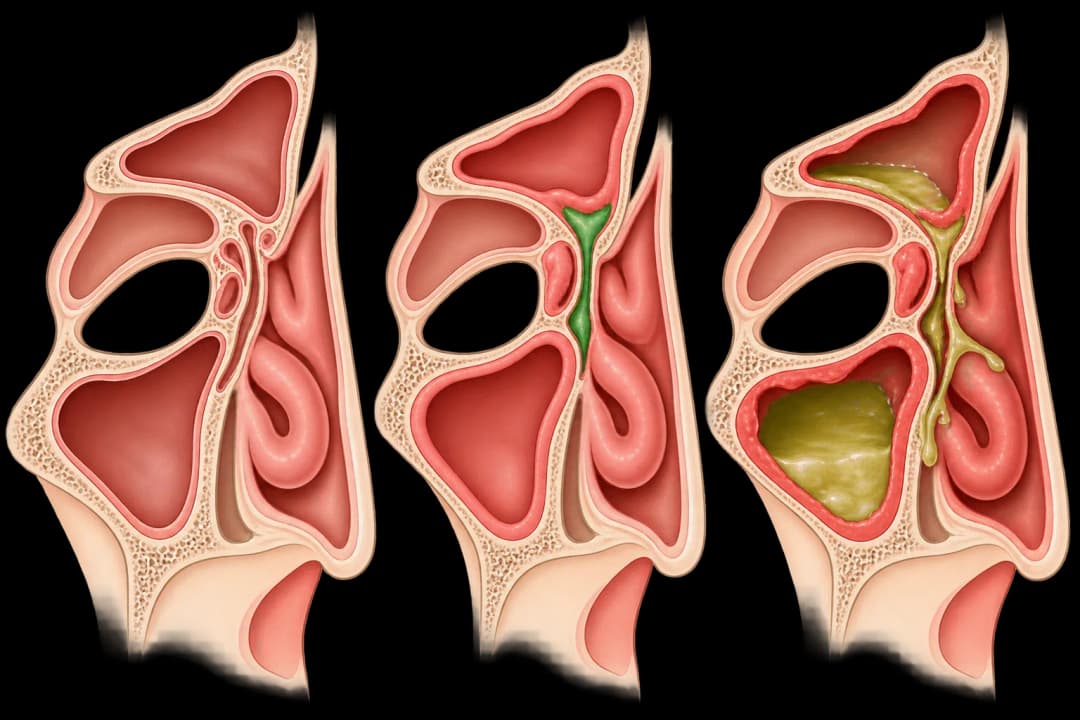
Explain how long congestion, discharge, facial pressure, cough or reduced smell have lasted, whether symptoms affect one side, and what makes them better or worse. The GP may ask about allergies, asthma, dental symptoms, smoking, previous infections and medicines. They may look inside the nose, check the throat and examine the face for tenderness. Chronic sinusitis can overlap with allergy or other nasal problems, so the history helps guide treatment. Scans are not always needed in primary care; referral may be considered when symptoms persist, recur or need specialist assessment.
How to prepare
Bring a list of nasal sprays, antihistamines, antibiotics or other treatments you have tried, including how regularly you used them and what changed. Mention nosebleeds, asthma, allergies, dental pain and any previous nasal surgery. Ask for clear instructions on saline rinsing or a prescribed nasal spray, including technique and how long to try it. Keep the review plan visible, because improvement may need monitoring rather than repeated changes made day by day. Avoid sharing leftover antibiotics; they may not address the cause.
When to seek urgent care
Seek urgent care for swelling or redness around an eye, vision changes, severe headache with fever, neck stiffness, confusion, or rapidly worsening facial swelling. Arrange prompt medical review for persistent one-sided blockage with bleeding, severe facial pain, or symptoms that are worsening despite the agreed plan. These signs can indicate a problem needing assessment beyond routine sinus symptoms.
Questions to ask
Could allergy or another nasal condition be contributing? What is the correct spray or rinse technique? How long should I follow this plan? When would an ear, nose and throat referral help? Which warning signs should prompt urgent review?
Find care
General Clinics & Polyclinics in Abu Dhabi
That answer is general. If you want it applied to your own case, these are licensed general clinics & polyclinics listed in Abu Dhabi.
27 Ar Ruwwad St - Shakhbout City - MSH4 - Abu Dhabi - United Arab Emirates
Accepts: Daman, Thiqa, Cigna, MetLife +20 more
Al Ruwais, Al Dhafrah
Accepts: Daman, Thiqa, AXA, Cigna +16 more
Al Bahyah - Al Bahyah Old - Abu Dhabi - United Arab Emirates
Accepts: Daman, Thiqa, Cigna, Allianz Care +18 more
Abu Dhabi
Accepts: Daman, Thiqa, AXA, Cigna +27 more
Ordered by verification status and how complete each clinic's public record is, then alphabetically. This is a directory listing, not a ranking — Zavis does not rate or recommend providers.
A factual listing drawn from the DHA, DOH and MOHAP licence registers. It is not a referral, an endorsement, or advice that any of these providers is right for you.
Questions people ask
Will I need a scan at the GP appointment?
Not necessarily. The examination and symptom pattern often guide the first plan, with specialist assessment or imaging considered when clinically appropriate.
Can chronic sinusitis be treated with antibiotics every time?
Antibiotics are not suitable for every episode. Your GP will consider the likely cause, examination findings and previous treatment response.
Related
Related reading
Keep reading
Medical disclaimer. This page is general health information, not medical advice, and it cannot diagnose you. Always consult a licensed healthcare provider about your own symptoms and treatment. In an emergency in the UAE, call 998 for an ambulance.