
What to expect from exercise therapy for rotator cuff tendinitis
Short answer
You should expect a staged shoulder programme that improves movement, rotator cuff and shoulder-blade strength, and tolerance for reaching or lifting.
This answers one question. It is not a diagnosis and does not replace an assessment by a licensed doctor.
At a glance
- Programme stages
- Comfortable movement, muscle activation, resistance, then task practice
- Functional goals
- Reaching, lifting, work, sleep, and household activity
What the sessions involve
The assessment may examine shoulder movement, strength, posture, neck contribution, and the tasks that bring on pain. Early exercises can include comfortable range-of-motion work and gentle muscle activation. As control improves, the plan may add resistance, arm elevation, and movements that resemble work, sport, or household tasks. The shoulder can feel tired after loading, but sharp pain, a clear loss of movement, or symptoms that keep escalating should be reported. Improvement is usually judged by smoother reaching, better sleep positions, and greater tolerance of useful activities.
Working with your shoulder plan
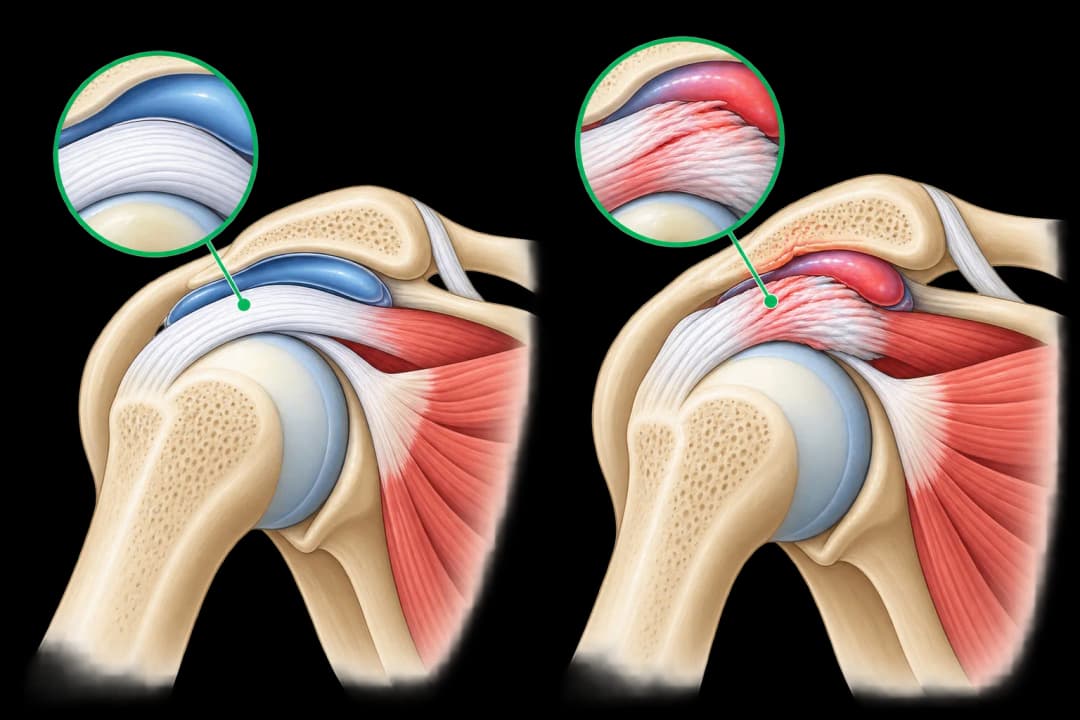
Use the prescribed range and resistance rather than pushing through a painful arc. Keep frequently used items at a comfortable height during an irritated period, and avoid repeated overhead loading until your clinician guides the progression. Do the home exercises consistently and note night pain, work demands, and next-day response. Read about [Rotator Cuff Tendinitis](/conditions/rotator-cuff-tendinitis/) and [Exercise Therapy](/treatments/physiotherapy-and-rehabilitation/exercise-therapy/).
When to seek care
Seek urgent assessment after a fall or sudden injury if you cannot lift the arm, the shoulder looks deformed, or severe pain starts abruptly. Prompt medical advice is also appropriate for a hot, red, swollen shoulder with fever, or new persistent numbness and weakness. Contact your physiotherapist if pain worsens steadily or exercises repeatedly cause a strong flare.
Questions for your clinician
Which shoulder movements should I limit for now? What resistance and range are appropriate? How can I sleep or work with less irritation? What improvement should guide the next exercise stage, and when should the diagnosis be reviewed?
Find care
General Clinics & Polyclinics in Abu Dhabi
That answer is general. If you want it applied to your own case, these are licensed general clinics & polyclinics listed in Abu Dhabi.
27 Ar Ruwwad St - Shakhbout City - MSH4 - Abu Dhabi - United Arab Emirates
Accepts: Daman, Thiqa, Cigna, MetLife +20 more
Al Ruwais, Al Dhafrah
Accepts: Daman, Thiqa, AXA, Cigna +16 more
Al Bahyah - Al Bahyah Old - Abu Dhabi - United Arab Emirates
Accepts: Daman, Thiqa, Cigna, Allianz Care +18 more
Abu Dhabi
Accepts: Daman, Thiqa, AXA, Cigna +27 more
Ordered by verification status and how complete each clinic's public record is, then alphabetically. This is a directory listing, not a ranking — Zavis does not rate or recommend providers.
A factual listing drawn from the DHA, DOH and MOHAP licence registers. It is not a referral, an endorsement, or advice that any of these providers is right for you.
Questions people ask
Should shoulder exercises hurt?
A clinician can help you distinguish tolerable effort from pain that signals excessive load; sharp or worsening pain should be reported.
Can I keep using my arm?
Usually suitable use is maintained while repeated overhead or heavy tasks are modified until tolerance improves.
Related
Related reading
Keep reading
Medical disclaimer. This page is general health information, not medical advice, and it cannot diagnose you. Always consult a licensed healthcare provider about your own symptoms and treatment. In an emergency in the UAE, call 998 for an ambulance.