
What is the first treatment for recurrent miscarriage?
Short answer
The first step is usually a specialist assessment to identify a possible cause before choosing treatment for recurrent miscarriage.
This answers one question. It is not a diagnosis and does not replace an assessment by a licensed doctor.
At a glance
- Usual first step
- Specialist assessment and targeted testing.
- Treatment choice
- It depends on the cause found, if any.
Why there is no single first medicine
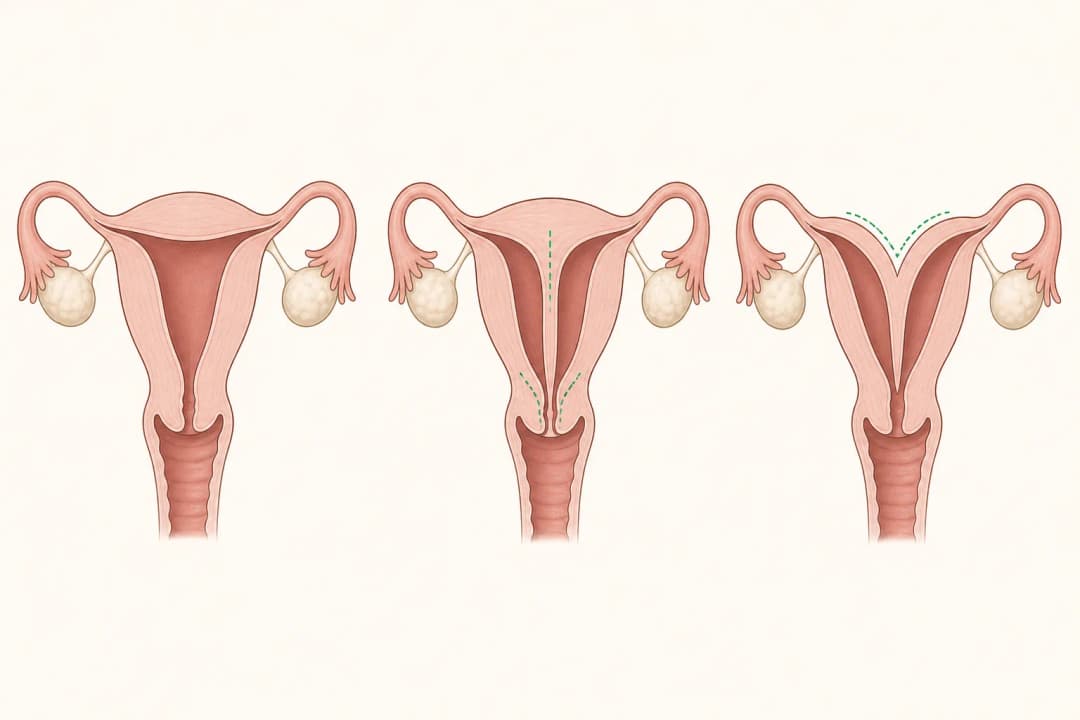
Recurrent miscarriage can have different explanations, and sometimes no clear cause is found. Assessment may review previous pregnancies, medical conditions, medicines, family history and the shape of the uterus. Tests can include genetic evaluation for one or both partners, blood tests and an ultrasound. Operative hysteroscopy may be considered when a uterine cavity problem needs direct treatment. The result guides care rather than assuming one therapy fits every pregnancy.
Preparing for care
Ask for referral to a clinician experienced in recurrent pregnancy loss and take records from previous pregnancies, scans and laboratory tests. Review thyroid disease, diabetes, blood pressure, medicines, smoking and alcohol with the team before trying again. If a specific inherited condition is identified, genetic counselling can explain reproductive choices; genetic carrier screening and PGT-M may be relevant in selected families. Do not start aspirin, hormones or anticoagulants without a clinician's advice.
When to seek urgent care
During a pregnancy, seek urgent help for heavy bleeding, severe or one-sided pain, dizziness, fainting, fever or shoulder-tip pain. These symptoms can signal miscarriage, infection or ectopic pregnancy and need prompt assessment. Emotional distress after loss also deserves timely support, especially if sleep, eating or safety are affected.
Questions for your doctor
Ask which tests are appropriate, whether the uterus needs imaging, whether either partner should have genetic assessment, and how findings would change planning for a future pregnancy.
Find care
General Clinics & Polyclinics in Abu Dhabi
That answer is general. If you want it applied to your own case, these are licensed general clinics & polyclinics listed in Abu Dhabi.
27 Ar Ruwwad St - Shakhbout City - MSH4 - Abu Dhabi - United Arab Emirates
Accepts: Daman, Thiqa, Cigna, MetLife +20 more
Al Ruwais, Al Dhafrah
Accepts: Daman, Thiqa, AXA, Cigna +16 more
Al Bahyah - Al Bahyah Old - Abu Dhabi - United Arab Emirates
Accepts: Daman, Thiqa, Cigna, Allianz Care +18 more
Abu Dhabi
Accepts: Daman, Thiqa, AXA, Cigna +27 more
Ordered by verification status and how complete each clinic's public record is, then alphabetically. This is a directory listing, not a ranking — Zavis does not rate or recommend providers.
A factual listing drawn from the DHA, DOH and MOHAP licence registers. It is not a referral, an endorsement, or advice that any of these providers is right for you.
Questions people ask
Is there one treatment that prevents every miscarriage?
No. Management depends on the underlying cause, and some losses occur without an identifiable explanation.
When should testing be discussed?
Discuss it with a clinician after recurrent losses or sooner if there is a relevant family, medical or pregnancy history.
Related
Related reading
Keep reading
Medical disclaimer. This page is general health information, not medical advice, and it cannot diagnose you. Always consult a licensed healthcare provider about your own symptoms and treatment. In an emergency in the UAE, call 998 for an ambulance.