
What is the first treatment tried for hyperthyroidism?
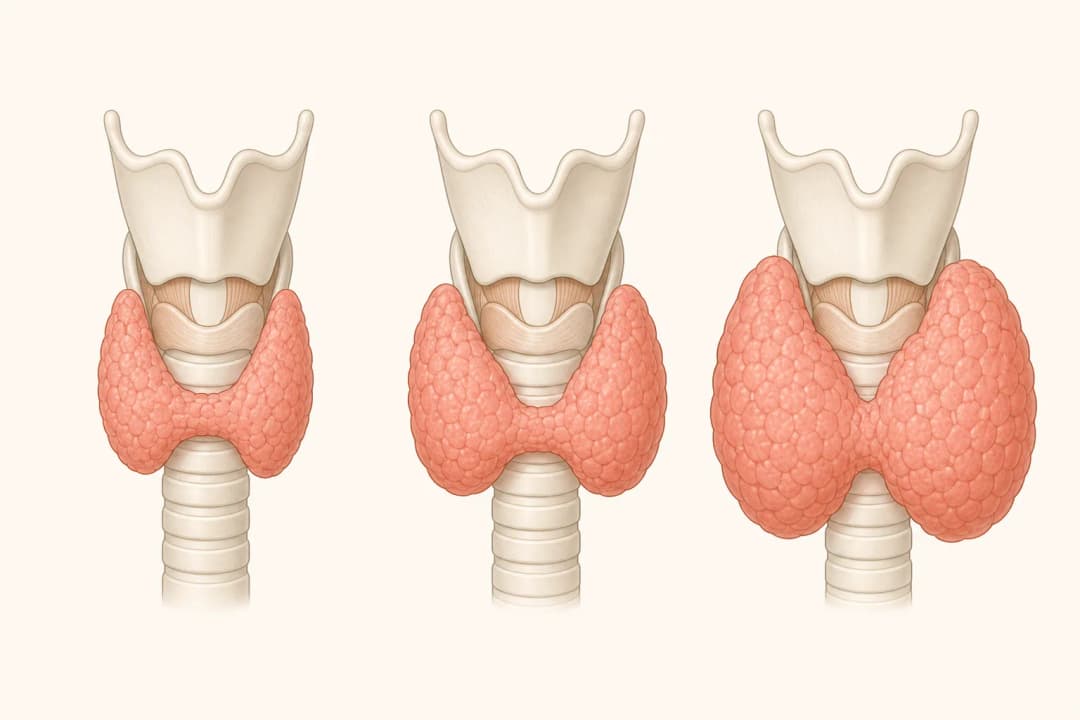
Short answer
The first treatment tried for hyperthyroidism is often medicine to reduce thyroid hormone production after blood-test assessment.
This answers one question. It is not a diagnosis and does not replace an assessment by a licensed doctor.
At a glance
- First step
- Confirm thyroid activity with blood tests
- Common initial medicine
- Antithyroid treatment when appropriate
Why assessment comes first
An overactive thyroid can cause symptoms such as a racing heartbeat, tremor, heat intolerance, sweating, anxiety, weight loss or frequent bowel movements. These symptoms can have other causes, so a clinician usually confirms the pattern with a Thyroid Function Test and asks about medicines, heart problems, pregnancy and previous thyroid disease.
Antithyroid medicine can reduce new thyroid hormone production, but the appropriate option and monitoring plan vary. A beta blocker may sometimes be used for symptoms such as a fast heartbeat while the thyroid treatment takes effect; this is not suitable for everyone.
Your next steps
Arrange a [GP Consultation](/treatments/consultations-and-assessment/gp-consultation/) if symptoms suggest an overactive thyroid. Take medicine exactly as prescribed and attend requested blood tests, because the dose may need adjustment as hormone levels change. Do not start iodine supplements or stop prescribed treatment without advice.
Explore [Thyroid Function Test](/treatments/diagnostics-and-screening/thyroid-function-test/) and read about [Hyperthyroidism](/conditions/hyperthyroidism/) to understand the condition and follow-up.
When to seek care
Seek emergency help for chest pain, severe breathlessness, fainting, marked confusion, or a very fast or irregular heartbeat with feeling unwell. While taking antithyroid medicine, seek prompt medical advice for fever, a severe sore throat, mouth ulcers or yellowing of the skin, as these can need urgent review.
Questions for your doctor
What is causing my overactive thyroid? Which blood tests will monitor treatment? What symptoms should improve first? Which side effects need prompt advice? Are there medicines or supplements I should avoid?
Find care
General Clinics & Polyclinics in Abu Dhabi
That answer is general. If you want it applied to your own case, these are licensed general clinics & polyclinics listed in Abu Dhabi.
27 Ar Ruwwad St - Shakhbout City - MSH4 - Abu Dhabi - United Arab Emirates
Accepts: Daman, Thiqa, Cigna, MetLife +20 more
Al Ruwais, Al Dhafrah
Accepts: Daman, Thiqa, AXA, Cigna +16 more
Al Bahyah - Al Bahyah Old - Abu Dhabi - United Arab Emirates
Accepts: Daman, Thiqa, Cigna, Allianz Care +18 more
Abu Dhabi
Accepts: Daman, Thiqa, AXA, Cigna +27 more
Ordered by verification status and how complete each clinic's public record is, then alphabetically. This is a directory listing, not a ranking — Zavis does not rate or recommend providers.
A factual listing drawn from the DHA, DOH and MOHAP licence registers. It is not a referral, an endorsement, or advice that any of these providers is right for you.
Questions people ask
Will treatment be the same for everyone?
No. The cause of hyperthyroidism, symptom pattern, pregnancy status and other health conditions affect the plan.
Why are repeat blood tests needed?
They show how thyroid hormone levels respond and help the clinician adjust treatment safely.
Related
Related reading
Keep reading
Medical disclaimer. This page is general health information, not medical advice, and it cannot diagnose you. Always consult a licensed healthcare provider about your own symptoms and treatment. In an emergency in the UAE, call 998 for an ambulance.