
What Is a Smoking Cessation Programme Done With?
Short answer
A smoking cessation programme is done with behavioural support, a quit plan and suitable nicotine or prescription medicines.
This answers one question. It is not a diagnosis and does not replace an assessment by a licensed doctor.
At a glance
- Core components
- Support, planning and treatment when suitable
- Nicotine option
- A patch may provide steady nicotine replacement
- Follow-up
- Reviews cravings, triggers, slips and progress
What may be included
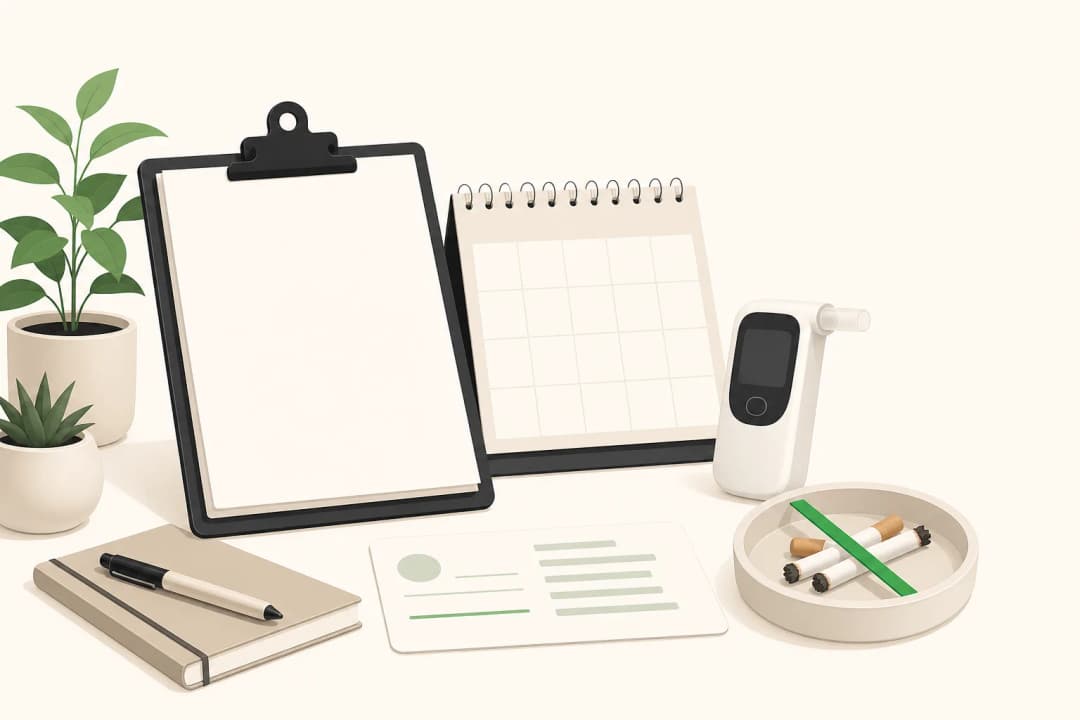
The programme starts by discussing how much and how often you smoke, when cravings occur and what has made previous attempts difficult. Together, you can choose a quit date or a gradual reduction plan, identify triggers and prepare alternatives for cigarettes, shisha or other tobacco products. Follow-up helps review cravings, mood, slips and progress without treating a lapse as failure.
Nicotine replacement may include a patch, gum, lozenge, inhaler or another form. A patch provides a steadier nicotine level, while a short-acting option can help with sudden cravings. A clinician may also discuss prescription medicines when appropriate. These options do not contain the smoke chemicals produced by burning tobacco, but they still need safe, individual advice.
How to get ready
Write down your tobacco use, common triggers and reasons for stopping. Remove tobacco and lighters from easy reach, tell supportive people your plan and arrange follow-up. Use nicotine products exactly as instructed; do not add products or change doses without checking with a clinician. Mention pregnancy, breastfeeding, heart problems, seizures, mental health symptoms and all medicines before starting treatment. A slip is a reason to review the plan and continue support, not to abandon it.
When to seek care
Contact your clinician promptly for severe nausea, palpitations, allergic swelling, worsening mood or thoughts of self-harm after starting a cessation medicine. Seek emergency help for chest pain, severe breathlessness, collapse or a serious allergic reaction. Cravings and irritability can occur during withdrawal, but distress that feels unmanageable deserves medical support.
Questions for your doctor
Ask which treatment matches your tobacco use, whether a patch can be combined with a short-acting product, what to do after a slip, how medicines interact with your current treatment and when follow-up should happen.
Find care
General Clinics & Polyclinics in Abu Dhabi
That answer is general. If you want it applied to your own case, these are licensed general clinics & polyclinics listed in Abu Dhabi.
27 Ar Ruwwad St - Shakhbout City - MSH4 - Abu Dhabi - United Arab Emirates
Accepts: Daman, Thiqa, Cigna, MetLife +20 more
Al Ruwais, Al Dhafrah
Accepts: Daman, Thiqa, AXA, Cigna +16 more
Al Bahyah - Al Bahyah Old - Abu Dhabi - United Arab Emirates
Accepts: Daman, Thiqa, Cigna, Allianz Care +18 more
Abu Dhabi
Accepts: Daman, Thiqa, AXA, Cigna +27 more
Ordered by verification status and how complete each clinic's public record is, then alphabetically. This is a directory listing, not a ranking — Zavis does not rate or recommend providers.
A factual listing drawn from the DHA, DOH and MOHAP licence registers. It is not a referral, an endorsement, or advice that any of these providers is right for you.
Questions people ask
Is counselling part of a smoking cessation programme?
It can be. Conversations, goal setting, trigger planning and follow-up help you manage cravings and build routines without tobacco.
Can I use a nicotine patch on my own?
Ask a pharmacist or clinician to check the product, strength, timing and any health factors before you start or combine nicotine products.
Related
Related reading
Keep reading
Medical disclaimer. This page is general health information, not medical advice, and it cannot diagnose you. Always consult a licensed healthcare provider about your own symptoms and treatment. In an emergency in the UAE, call 998 for an ambulance.