
What Is Sclerosant Solution Used For?
Short answer
Sclerosant solution is injected into selected veins during sclerotherapy to make those veins close and gradually fade.
This answers one question. It is not a diagnosis and does not replace an assessment by a licensed doctor.
At a glance
- Used for
- Closing selected superficial veins
- Delivered by
- Injection during sclerotherapy
- Possible short-term effects
- Stinging, bruising, redness, or firmness
How the solution works
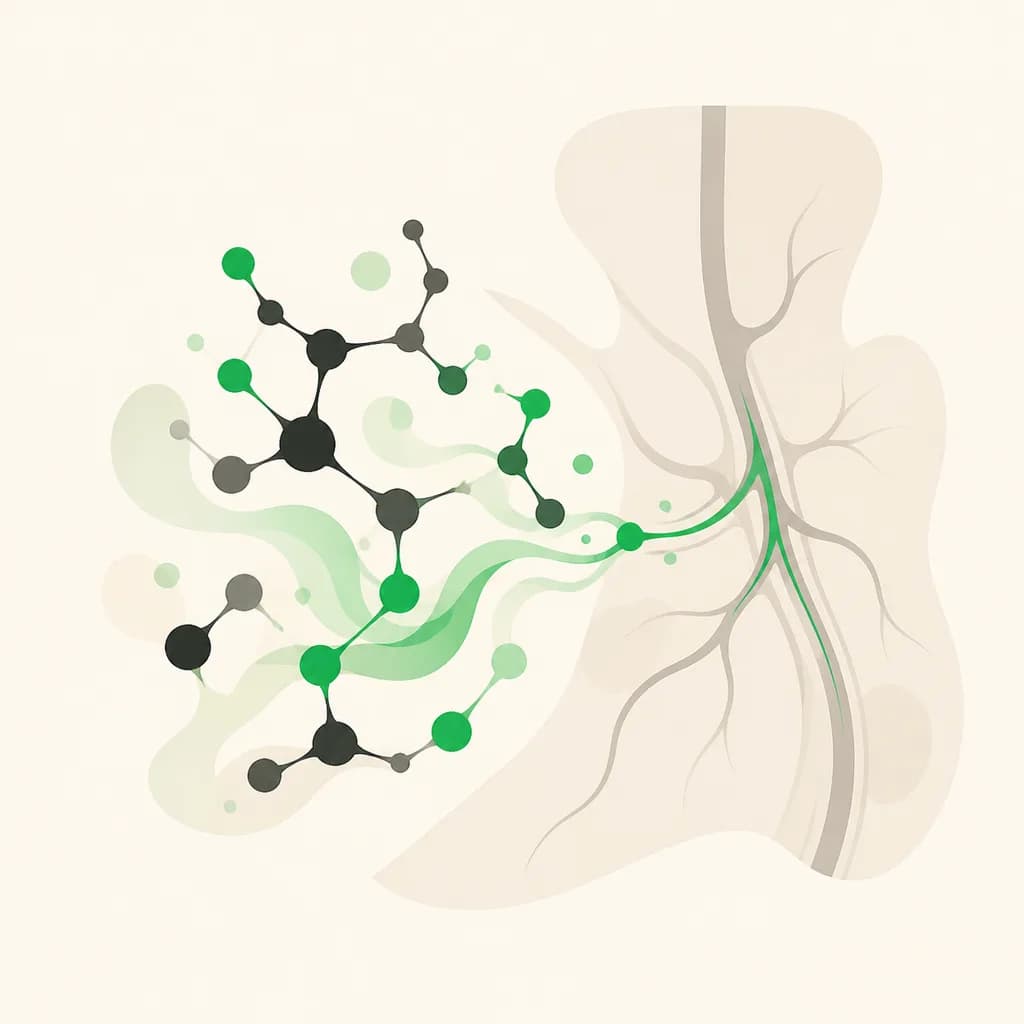
A clinician places the solution inside a targeted vein, often a superficial spider vein or small varicose vein. The solution irritates the vein lining, causing the vessel to seal. Blood then reroutes through healthier veins, while the treated vessel is gradually broken down and absorbed by the body. Common sclerosants include polidocanol and sodium tetradecyl sulfate. The choice depends on the vein’s size, location, appearance, and your medical history.
Before and after treatment
Tell the clinician about previous clotting problems, circulation conditions, allergies, pregnancy, medicines, and any skin infection near the treatment area. After injections, follow the clinic’s instructions about walking, compression, bathing, exercise, and sun exposure. Mild stinging, bruising, redness, or temporary firmness can occur around treated veins. Do not apply unapproved creams or massage the area unless your clinician advises it.
When to seek care
Contact your clinic promptly for worsening pain, marked swelling, spreading redness, skin breakdown, or a painful cord along a vein. Seek urgent medical care for sudden chest pain, trouble breathing, coughing blood, or one-sided leg swelling with significant pain, because these symptoms need immediate assessment.
Questions for your doctor
Ask which veins are being treated, which sclerosant is proposed, whether compression is recommended, what activities to avoid, and how follow-up will assess the result.
Find care
General Clinics & Polyclinics in Abu Dhabi
That answer is general. If you want it applied to your own case, these are licensed general clinics & polyclinics listed in Abu Dhabi.
27 Ar Ruwwad St - Shakhbout City - MSH4 - Abu Dhabi - United Arab Emirates
Accepts: Daman, Thiqa, Cigna, MetLife +20 more
Al Ruwais, Al Dhafrah
Accepts: Daman, Thiqa, AXA, Cigna +16 more
Al Bahyah - Al Bahyah Old - Abu Dhabi - United Arab Emirates
Accepts: Daman, Thiqa, Cigna, Allianz Care +18 more
Abu Dhabi
Accepts: Daman, Thiqa, AXA, Cigna +27 more
Ordered by verification status and how complete each clinic's public record is, then alphabetically. This is a directory listing, not a ranking — Zavis does not rate or recommend providers.
A factual listing drawn from the DHA, DOH and MOHAP licence registers. It is not a referral, an endorsement, or advice that any of these providers is right for you.
Questions people ask
Is sclerosant solution the same as sclerotherapy?
No. Sclerosant solution is the injected material; sclerotherapy is the procedure that uses it to treat selected veins.
Does every visible vein need sclerosant treatment?
No. A clinician first assesses the vein and your circulation to decide whether injection treatment is suitable.
Related
Related reading
Keep reading
Medical disclaimer. This page is general health information, not medical advice, and it cannot diagnose you. Always consult a licensed healthcare provider about your own symptoms and treatment. In an emergency in the UAE, call 998 for an ambulance.