
What happens if hyperthyroidism is not treated?
Short answer
If hyperthyroidism is not treated, excess thyroid hormone can keep the heart and body working too hard, causing worsening symptoms and serious complications.
This answers one question. It is not a diagnosis and does not replace an assessment by a licensed doctor.
At a glance
- Main concern
- Ongoing excess thyroid hormone can strain the heart and weaken bones.
- Useful assessment
- Thyroid Function Test and a clinical review.
What untreated hyperthyroidism can do
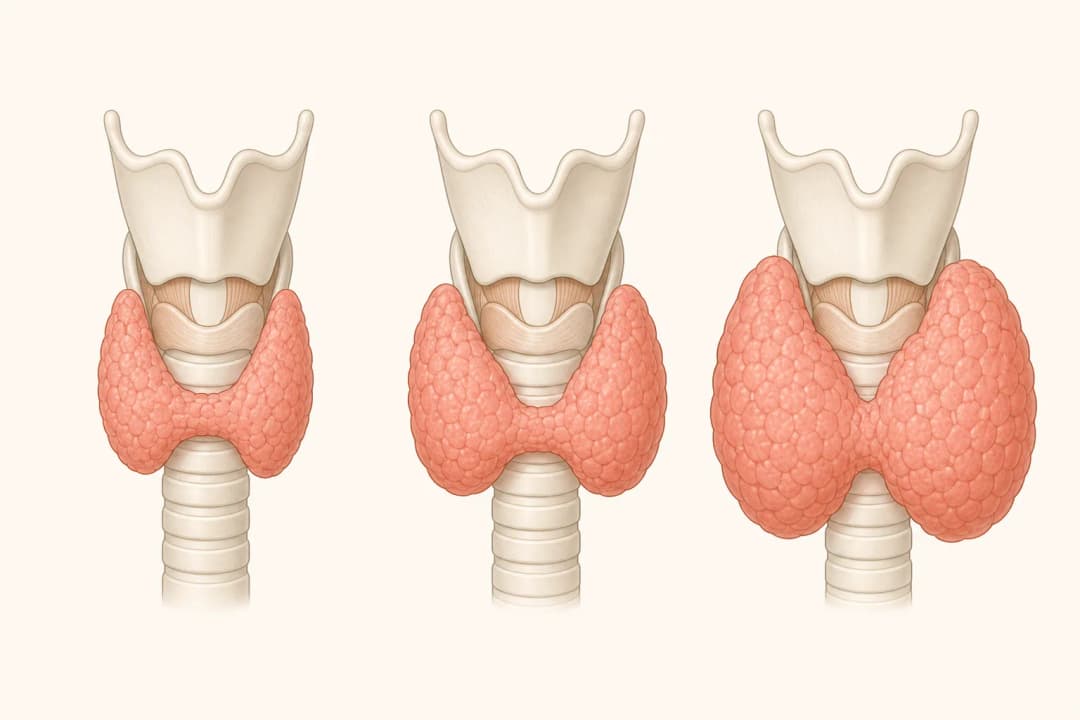
Hyperthyroidism means the thyroid releases more hormone than the body needs. Ongoing overactivity may cause heat intolerance, sweating, anxiety, tremor, palpitations, poor sleep and unintentional weight loss. Over time, the extra workload can strain the heart and contribute to an irregular heartbeat. It can also weaken bones and reduce muscle strength. Symptoms may fluctuate, but feeling better for a while does not show that the thyroid problem has settled.
A sudden severe worsening can cause a medical emergency, particularly with a very fast heartbeat, high temperature, marked agitation, confusion or collapse. The risk is higher during illness, after surgery or when prescribed treatment is stopped without medical advice.
What to do next
Arrange a GP Consultation if you have persistent symptoms or have already been told that your thyroid is overactive. A Thyroid Function Test checks hormone patterns in the blood and helps guide the next step. Treatment may involve medicine, radioactive iodine or surgery, depending on the cause and your circumstances. Take prescribed medicine as directed and tell the clinician about heart symptoms, pregnancy, other medicines and supplements. Do not change a dose or stop treatment on your own.
When to seek urgent care
Seek emergency help for chest pain, fainting, severe breathlessness, a very fast or irregular heartbeat, new confusion, collapse or a high temperature with intense agitation. Contact a clinician promptly if palpitations are recurring, weight is falling without trying, or symptoms such as heat intolerance and tremor are becoming harder to manage.
Questions for your doctor
Ask what is causing the overactive thyroid, which tests are needed, how quickly treatment should begin, and how your heart rate and bone health will be monitored. Ask what symptoms should prompt urgent help and what to do if a dose is missed.
Find care
General Clinics & Polyclinics in Abu Dhabi
That answer is general. If you want it applied to your own case, these are licensed general clinics & polyclinics listed in Abu Dhabi.
27 Ar Ruwwad St - Shakhbout City - MSH4 - Abu Dhabi - United Arab Emirates
Accepts: Daman, Thiqa, Cigna, MetLife +20 more
Al Ruwais, Al Dhafrah
Accepts: Daman, Thiqa, AXA, Cigna +16 more
Al Bahyah - Al Bahyah Old - Abu Dhabi - United Arab Emirates
Accepts: Daman, Thiqa, Cigna, Allianz Care +18 more
Abu Dhabi
Accepts: Daman, Thiqa, AXA, Cigna +27 more
Ordered by verification status and how complete each clinic's public record is, then alphabetically. This is a directory listing, not a ranking — Zavis does not rate or recommend providers.
A factual listing drawn from the DHA, DOH and MOHAP licence registers. It is not a referral, an endorsement, or advice that any of these providers is right for you.
Questions people ask
Can untreated hyperthyroidism get worse suddenly?
Yes. A severe flare can cause a very fast heartbeat, high temperature, confusion or collapse and needs emergency care.
Should I stop thyroid medicine when symptoms improve?
No. Discuss any dose change with your clinician because symptoms can improve before the underlying hormone imbalance is controlled.
Related
Related reading
Keep reading
Medical disclaimer. This page is general health information, not medical advice, and it cannot diagnose you. Always consult a licensed healthcare provider about your own symptoms and treatment. In an emergency in the UAE, call 998 for an ambulance.