
What does manual therapy treat?
Short answer
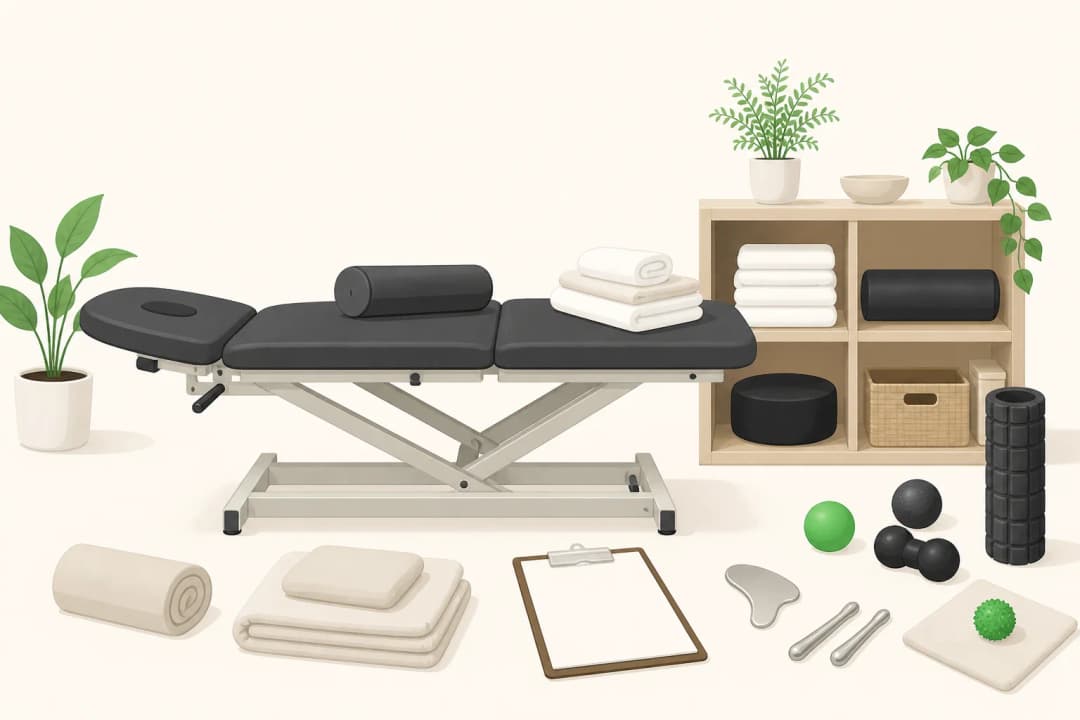
Manual therapy treats movement-related pain and stiffness by using hands-on techniques for joints, muscles, and soft tissues, usually alongside exercise and education rather than as a stand-alone cure.
This answers one question. It is not a diagnosis and does not replace an assessment by a licensed doctor.
At a glance
- Main target
- Painful stiffness and restricted movement
- Usually paired with
- Exercise, education, and activity guidance
What it may address
A trained practitioner may use massage, mobilisation, stretching, or carefully selected manipulation to reduce discomfort and improve movement. It can be considered for problems such as [Cervical Spondylosis](/conditions/cervical-spondylosis/), [Myofascial Pain Syndrome](/conditions/myofascial-pain-syndrome/), [Sacroiliac Joint Dysfunction](/conditions/sacroiliac-joint-dysfunction/), and [Whiplash](/conditions/whiplash/). The technique depends on your symptoms, examination findings, health history, and goals. Temporary soreness can occur, and hands-on treatment is not suitable for every condition or body region.
How to use it well
Discuss what the treatment is intended to change, how you should feel during and after it, and how progress will be measured. Manual therapy may make a stiff movement more comfortable, allowing you to practise strengthening, mobility, posture, or functional tasks. Follow-up exercises help you keep gains between visits. Tell the practitioner about osteoporosis, recent injury, surgery, blood-thinning medicines, numbness, or unexplained symptoms before treatment.
When to seek care
Ask for reassessment if pain repeatedly flares, new bruising or swelling appears, or movement becomes worse after treatment. Seek urgent care for new severe weakness, loss of bladder or bowel control, numbness around the saddle area, fever with severe pain, or symptoms after a major injury. These signs need medical evaluation rather than routine hands-on care.
Questions for your doctor
What is the goal of manual therapy for my condition? Which technique is being proposed, and what are its risks for me? What exercises should accompany it? When should treatment be stopped or reviewed?
Find care
General Clinics & Polyclinics in Abu Dhabi
That answer is general. If you want it applied to your own case, these are licensed general clinics & polyclinics listed in Abu Dhabi.
27 Ar Ruwwad St - Shakhbout City - MSH4 - Abu Dhabi - United Arab Emirates
Accepts: Daman, Thiqa, Cigna, MetLife +20 more
Al Ruwais, Al Dhafrah
Accepts: Daman, Thiqa, AXA, Cigna +16 more
Al Bahyah - Al Bahyah Old - Abu Dhabi - United Arab Emirates
Accepts: Daman, Thiqa, Cigna, Allianz Care +18 more
Abu Dhabi
Accepts: Daman, Thiqa, AXA, Cigna +27 more
Ordered by verification status and how complete each clinic's public record is, then alphabetically. This is a directory listing, not a ranking — Zavis does not rate or recommend providers.
A factual listing drawn from the DHA, DOH and MOHAP licence registers. It is not a referral, an endorsement, or advice that any of these providers is right for you.
Questions people ask
Is manual therapy the same as massage?
Massage is one possible hands-on technique; manual therapy can also include joint mobilisation, stretching, and other targeted methods.
Will manual therapy fix the underlying problem?
It may ease symptoms and support movement, while exercise and other care address strength, function, and longer-term management.
Related
Related reading
Keep reading
Medical disclaimer. This page is general health information, not medical advice, and it cannot diagnose you. Always consult a licensed healthcare provider about your own symptoms and treatment. In an emergency in the UAE, call 998 for an ambulance.