
What do heavy periods feel like with perimenopause?
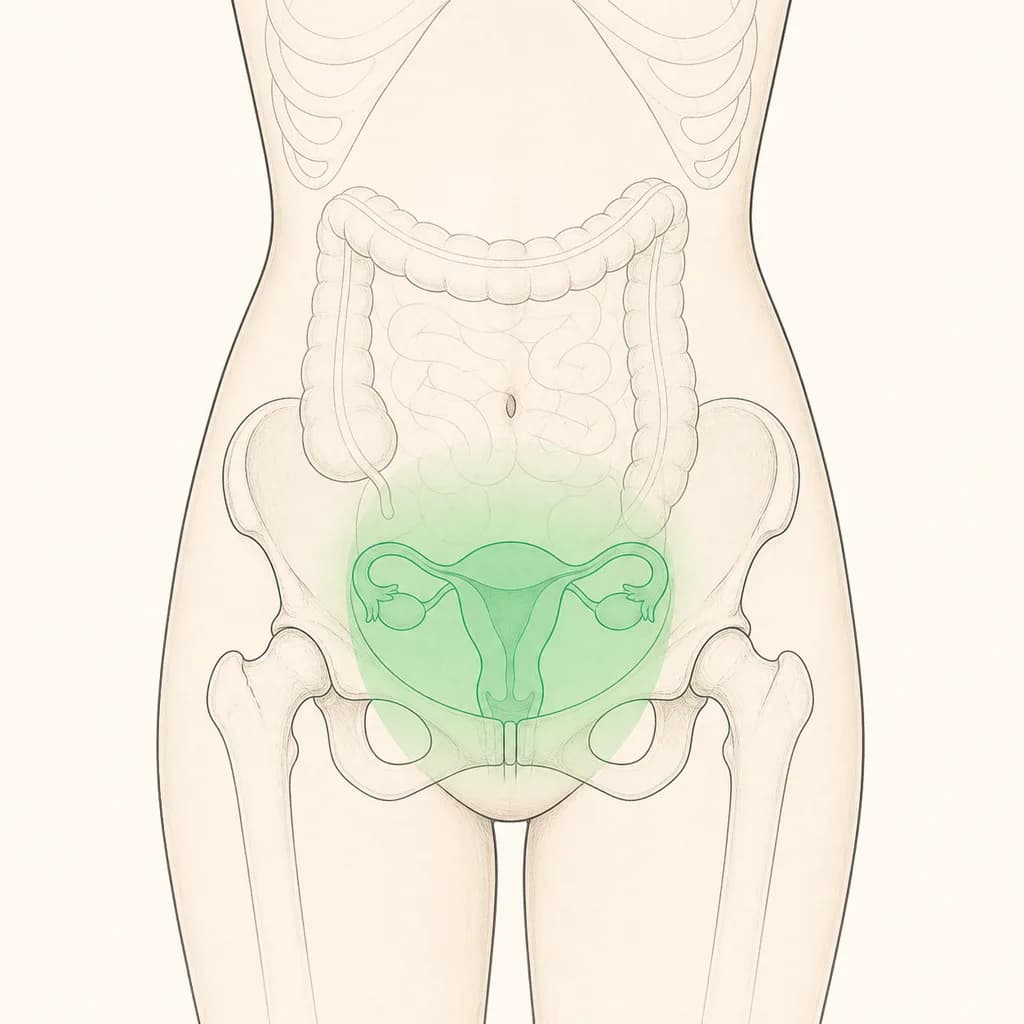
Short answer
Heavy Periods is a common presentation of Perimenopause, when changing hormone patterns can make bleeding heavier, lighter, longer, or irregular.
This answers one question. It is not a diagnosis and does not replace an assessment by a licensed doctor.
At a glance
- Possible pattern
- Bleeding may become heavier, longer, lighter, or less predictable.
- Track
- Record dates, flow, clots, pain, and bleeding between periods or after sex.
Why the pattern can change
During perimenopause, ovulation may become less predictable. The lining of the womb can then build for longer before bleeding starts, which may produce a heavier flow or clots. You might also have skipped periods followed by a more substantial bleed, or notice cramps, breast tenderness, sleep disruption, hot flushes, or mood changes alongside cycle changes.
Perimenopause is one possible explanation, not a conclusion based on bleeding alone. Fibroids, medication effects, pregnancy-related causes, thyroid problems, and changes in the womb lining can also cause abnormal bleeding. A clinician can decide whether an examination or tests are needed, particularly if the pattern is new.
Steps that can help
Keep a simple cycle diary: record bleeding dates, heaviness, clots, pain, and symptoms such as hot flushes or dizziness. Use products that suit your flow and plan access to replacements. Book a review if bleeding is disrupting work, sleep, sex, or exercise. Discuss options for controlling bleeding and managing other perimenopause symptoms, based on your medical history and contraception needs.
When bleeding needs prompt attention
Seek prompt medical advice for bleeding between periods, after sex, or after menopause, or for a new persistent change in your usual pattern. Get urgent help if you are soaking protection rapidly, faint, severely dizzy, short of breath, or have severe pelvic pain.
Questions for your doctor
Could this pattern fit perimenopause, or should other causes be checked? Do I need blood tests or an examination? Which treatments could reduce bleeding? What contraception remains suitable while my periods are changing?
Find care
General Clinics & Polyclinics in Abu Dhabi
That answer is general. If you want it applied to your own case, these are licensed general clinics & polyclinics listed in Abu Dhabi.
27 Ar Ruwwad St - Shakhbout City - MSH4 - Abu Dhabi - United Arab Emirates
Accepts: Daman, Thiqa, Cigna, MetLife +20 more
Al Ruwais, Al Dhafrah
Accepts: Daman, Thiqa, AXA, Cigna +16 more
Al Bahyah - Al Bahyah Old - Abu Dhabi - United Arab Emirates
Accepts: Daman, Thiqa, Cigna, Allianz Care +18 more
Abu Dhabi
Accepts: Daman, Thiqa, AXA, Cigna +27 more
Ordered by verification status and how complete each clinic's public record is, then alphabetically. This is a directory listing, not a ranking — Zavis does not rate or recommend providers.
A factual listing drawn from the DHA, DOH and MOHAP licence registers. It is not a referral, an endorsement, or advice that any of these providers is right for you.
Questions people ask
Are heavy periods common in perimenopause?
Heavy Periods is a common presentation of Perimenopause, but new or persistent changes still deserve clinical assessment.
Can perimenopause cause clots during a period?
Hormone-related changes in the womb lining can lead to heavier flow and clots; mention the pattern to a clinician if it is troublesome or new.
Related
Related reading
Keep reading
Medical disclaimer. This page is general health information, not medical advice, and it cannot diagnose you. Always consult a licensed healthcare provider about your own symptoms and treatment. In an emergency in the UAE, call 998 for an ambulance.