
What does heavy periods feel like with endometrial hyperplasia?
Short answer
Heavy Periods is a common presentation of Endometrial Hyperplasia. Bleeding may be heavier or longer than usual, irregular, or separated by spotting, with tiredness from repeated blood loss.
This answers one question. It is not a diagnosis and does not replace an assessment by a licensed doctor.
At a glance
- Possible pattern
- Heavy, prolonged, irregular, or between-period bleeding
- Assessment
- A clinician may evaluate the uterine lining with examination, imaging, or sampling
How it may present
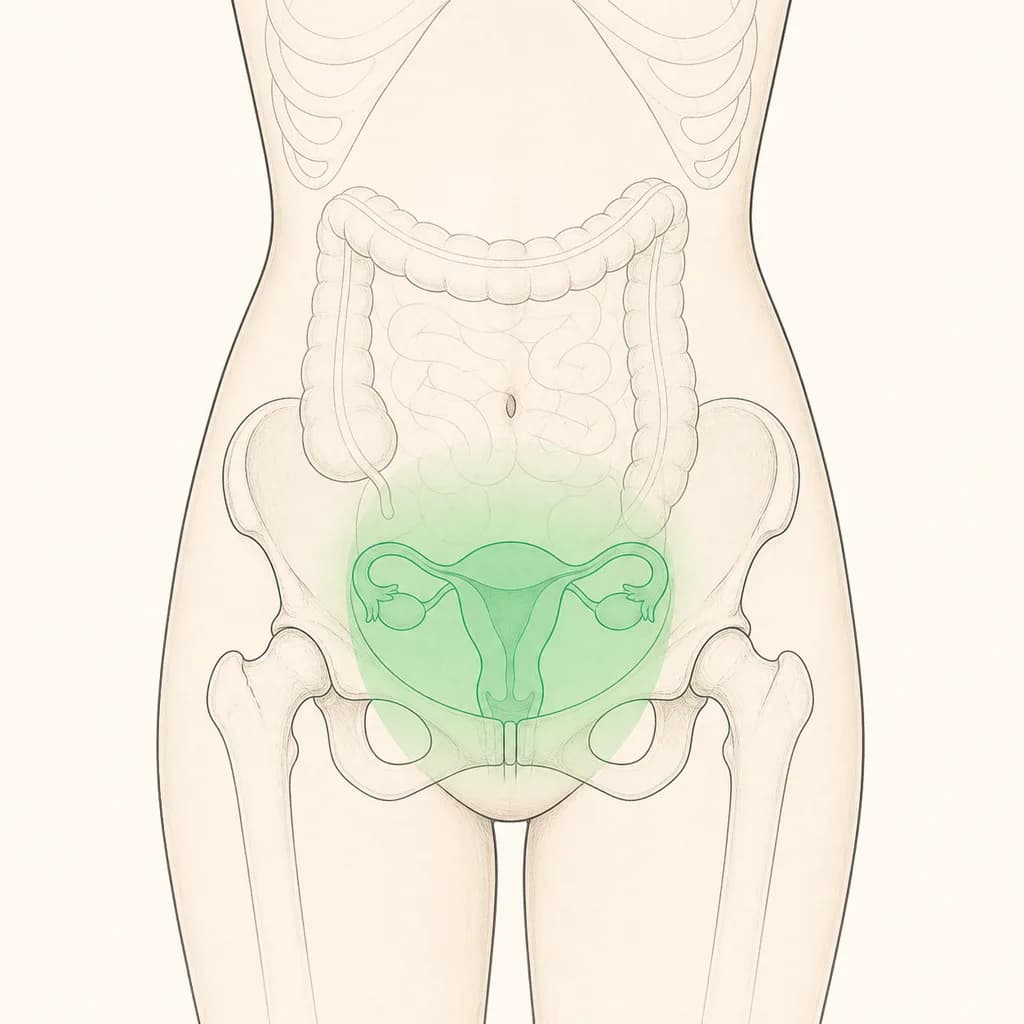
The endometrium is the lining inside the uterus. With hyperplasia, that lining becomes thicker than expected, which can lead to heavy or prolonged periods, bleeding between periods, or bleeding after sex. The flow may start and stop unpredictably, and clots or cramping can occur. Some people have no discomfort and notice only a change in their bleeding pattern.
Ongoing blood loss may contribute to fatigue, reduced stamina, dizziness, or headaches. These symptoms are not specific to hyperplasia, and heavy bleeding can have other causes. A change in bleeding deserves assessment even when you otherwise feel well, particularly after menopause.
Arrange an assessment
Record when bleeding occurs, how long it lasts, whether it follows sex, and any clots or pelvic pain. Book a medical review for new, persistent, or irregular bleeding. Depending on your history, a clinician may recommend an examination, ultrasound, or sampling of the uterine lining. Ask how results will be explained and what follow-up is needed.
Warning signs
Seek urgent care if bleeding is rapidly soaking pads, you feel faint, confused, breathless, or profoundly weak, or you develop severe pelvic pain. Bleeding during pregnancy needs prompt medical advice, and any bleeding after menopause should be assessed without delay. Emergency symptoms can reflect significant blood loss or another condition requiring immediate treatment.
Questions to bring
Ask what could be causing the bleeding, whether the uterine lining needs sampling, and what the findings mean for future monitoring. Discuss treatments that fit your health and pregnancy plans, whether blood tests for anemia are appropriate, and which changes should prompt an earlier review.
Find care
General Clinics & Polyclinics in Abu Dhabi
That answer is general. If you want it applied to your own case, these are licensed general clinics & polyclinics listed in Abu Dhabi.
27 Ar Ruwwad St - Shakhbout City - MSH4 - Abu Dhabi - United Arab Emirates
Accepts: Daman, Thiqa, Cigna, MetLife +20 more
Al Ruwais, Al Dhafrah
Accepts: Daman, Thiqa, AXA, Cigna +16 more
Al Bahyah - Al Bahyah Old - Abu Dhabi - United Arab Emirates
Accepts: Daman, Thiqa, Cigna, Allianz Care +18 more
Abu Dhabi
Accepts: Daman, Thiqa, AXA, Cigna +27 more
Ordered by verification status and how complete each clinic's public record is, then alphabetically. This is a directory listing, not a ranking — Zavis does not rate or recommend providers.
A factual listing drawn from the DHA, DOH and MOHAP licence registers. It is not a referral, an endorsement, or advice that any of these providers is right for you.
Questions people ask
Can endometrial hyperplasia cause spotting?
Yes. Spotting between periods or bleeding after sex can occur alongside heavier or longer periods.
Is heavy bleeding enough to diagnose hyperplasia?
No. Similar bleeding can have several causes, so diagnosis may require clinical assessment and testing of the uterine lining.
Related
Related reading
Keep reading
Medical disclaimer. This page is general health information, not medical advice, and it cannot diagnose you. Always consult a licensed healthcare provider about your own symptoms and treatment. In an emergency in the UAE, call 998 for an ambulance.