
What does bedwetting feel like with type 1 diabetes?
Short answer
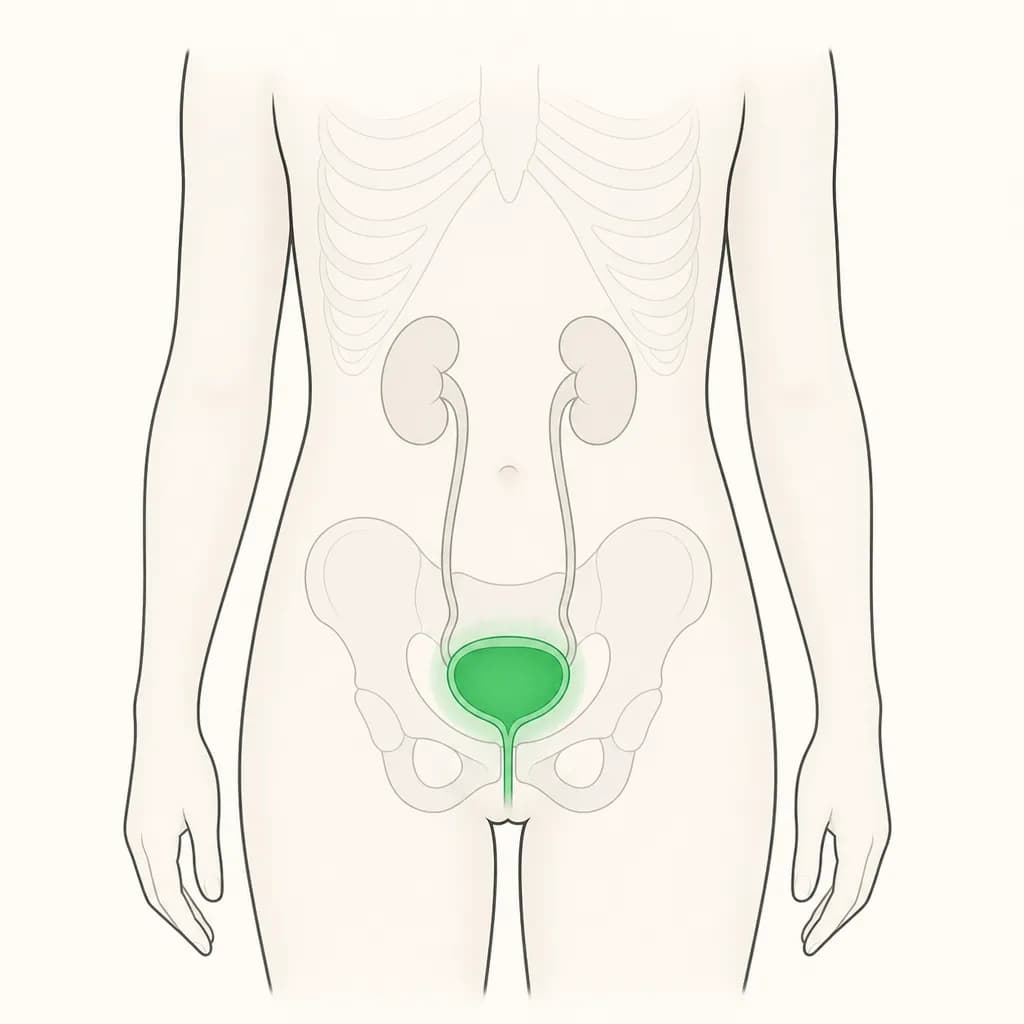
Bedwetting is a common presentation of Type 1 Diabetes, often occurring with increased thirst and passing urine more often.
This answers one question. It is not a diagnosis and does not replace an assessment by a licensed doctor.
At a glance
- Look for
- Thirst with frequent urination
- Prompt action
- Arrange glucose and urine checks
- Emergency signs
- Vomiting, deep breathing, or confusion
The short answer
Bedwetting is a common presentation of Type 1 Diabetes, often occurring with increased thirst and passing urine more often. A child may wake with a wet bed, feel very thirsty, or need to urinate repeatedly during the day. New bedwetting after a period of dryness deserves prompt medical assessment.
What may accompany it
When blood glucose rises, the kidneys may remove extra glucose with water, producing more urine. This can lead to frequent urination, larger amounts of urine, night-time wetting, thirst, tiredness, blurred vision, or weight loss. The child may appear less energetic or ask for drinks repeatedly. These symptoms can have other explanations, but the combination needs a clinician to check glucose and urine rather than waiting for it to pass.
What to do next
Contact a medical service promptly for new bedwetting with marked thirst, frequent urination, tiredness, or weight loss. Do not restrict fluids to prevent wetting. Note when the wetting began, how often the child urinates, how much they drink, and whether vomiting or abdominal pain is present. A clinician may check a finger-prick glucose level and urine, then explain the next steps.
When to seek urgent care
Go to urgent care immediately if the child has vomiting, worsening abdominal pain, deep or rapid breathing, fruity-smelling breath, severe drowsiness, confusion, or cannot keep fluids down. These can indicate a dangerous build-up of acids in the blood. Do not wait for bedwetting to resolve or assume the symptoms are behavioural.
Questions for your doctor
Could the increased thirst and urination indicate a glucose problem? Which symptoms should prompt emergency help? What tests are needed today? How can we support the child’s sleep and dignity while the cause is being assessed?
Find care
General Clinics & Polyclinics in Abu Dhabi
That answer is general. If you want it applied to your own case, these are licensed general clinics & polyclinics listed in Abu Dhabi.
27 Ar Ruwwad St - Shakhbout City - MSH4 - Abu Dhabi - United Arab Emirates
Accepts: Daman, Thiqa, Cigna, MetLife +20 more
Al Ruwais, Al Dhafrah
Accepts: Daman, Thiqa, AXA, Cigna +16 more
Al Bahyah - Al Bahyah Old - Abu Dhabi - United Arab Emirates
Accepts: Daman, Thiqa, Cigna, Allianz Care +18 more
Abu Dhabi
Accepts: Daman, Thiqa, AXA, Cigna +27 more
Ordered by verification status and how complete each clinic's public record is, then alphabetically. This is a directory listing, not a ranking — Zavis does not rate or recommend providers.
A factual listing drawn from the DHA, DOH and MOHAP licence registers. It is not a referral, an endorsement, or advice that any of these providers is right for you.
Questions people ask
Is new bedwetting always type 1 diabetes?
No. It can occur for several reasons, but bedwetting with thirst, frequent urination, tiredness, or weight loss needs prompt assessment.
Should fluids be limited at night?
No. Restricting fluids can worsen dehydration; seek medical advice about the symptoms instead.
Related
Related reading
Keep reading
Medical disclaimer. This page is general health information, not medical advice, and it cannot diagnose you. Always consult a licensed healthcare provider about your own symptoms and treatment. In an emergency in the UAE, call 998 for an ambulance.