
What Causes Recurrent Miscarriage?
Short answer
Recurrent miscarriage can be linked to antiphospholipid syndrome, chromosomal abnormalities, or a uterine septum, although the cause may need medical evaluation.
This answers one question. It is not a diagnosis and does not replace an assessment by a licensed doctor.
At a glance
- Also called
- Recurrent pregnancy loss
- Possible causes
- Antiphospholipid syndrome, chromosomal abnormalities, and a uterine septum
- Evaluation
- May include a pregnancy-history review, blood tests, genetic assessment, or uterine imaging
What causes recurrent miscarriage?
Recurrent miscarriage can be linked to antiphospholipid syndrome, chromosomal abnormalities, or a uterine septum, although the cause may need medical evaluation. These possibilities affect pregnancy in different ways, so one explanation cannot be assumed from the miscarriage history alone.
What these causes mean
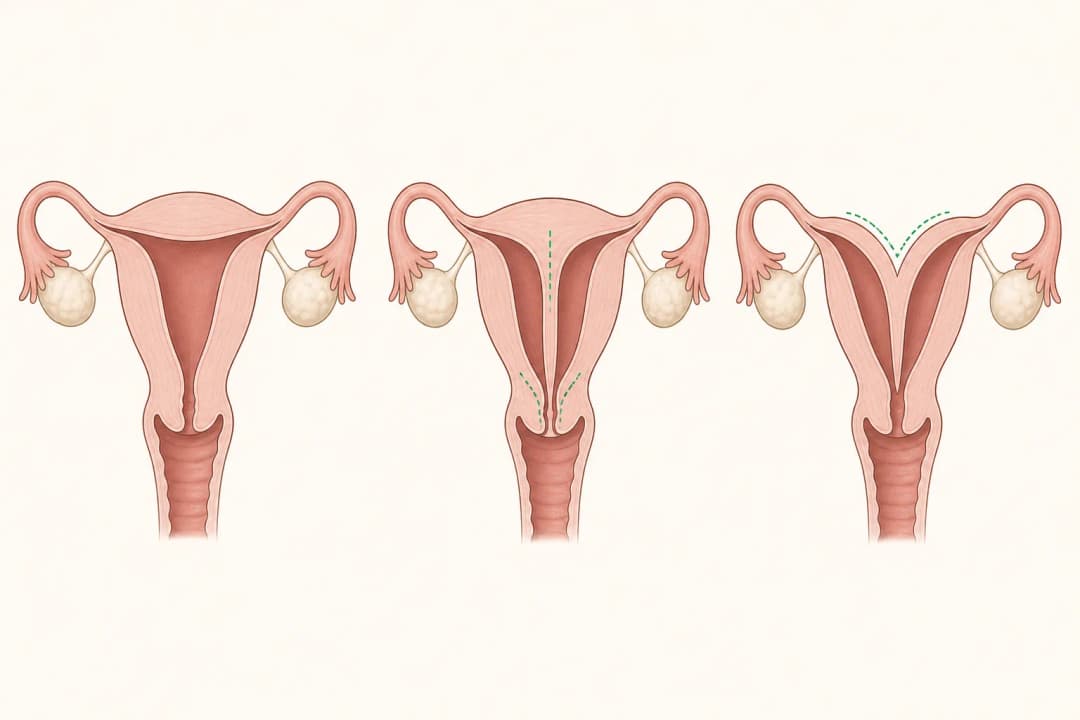
Antiphospholipid syndrome is an immune-related condition associated with a tendency for blood clots and can interfere with a developing pregnancy. A chromosomal abnormality means that an embryo has a change in its genetic material; this may prevent normal development. A uterine septum is a partition of tissue inside the uterus. It can alter the space where a pregnancy implants and grows.
Recurrent pregnancy loss is not a sign that you caused the problem. In some people, testing identifies a contributing condition; in others, no single cause is found. Your clinician may review your pregnancy history and recommend targeted blood tests, genetic assessment, or imaging of the uterus based on your circumstances.
What to do next
Arrange an appointment with an obstetrician, gynaecologist, or fertility specialist for an assessment before trying to conceive again, if possible. Bring records of previous pregnancies, scans, procedures, medicines, and any known family history. Ask which tests are appropriate and what each result could change. Do not start aspirin, anticoagulants, hormones, or supplements without advice; treatment depends on the underlying finding and your wider health. Emotional support or counselling can also help after repeated loss.
When to seek urgent care
During a pregnancy, seek urgent medical care for heavy vaginal bleeding, severe or one-sided abdominal pain, shoulder-tip pain, fainting, marked dizziness, fever, or feeling very unwell. These symptoms can require prompt assessment, including to exclude ectopic pregnancy or significant bleeding. After a miscarriage, urgent help is also needed for worsening pain, fever, foul-smelling discharge, or bleeding that makes you weak or light-headed.
Questions for your doctor
Ask: Could antiphospholipid syndrome or another clotting-related condition be relevant for me? Would genetic testing or testing of pregnancy tissue be useful? Could imaging check for a uterine septum or another uterine difference? Which results would affect care before or during a future pregnancy? What symptoms should prompt me to contact the clinic immediately?
Find care
General Clinics & Polyclinics in Abu Dhabi
That answer is general. If you want it applied to your own case, these are licensed general clinics & polyclinics listed in Abu Dhabi.
27 Ar Ruwwad St - Shakhbout City - MSH4 - Abu Dhabi - United Arab Emirates
Accepts: Daman, Thiqa, Cigna, MetLife +20 more
Al Ruwais, Al Dhafrah
Accepts: Daman, Thiqa, AXA, Cigna +16 more
Al Bahyah - Al Bahyah Old - Abu Dhabi - United Arab Emirates
Accepts: Daman, Thiqa, Cigna, Allianz Care +18 more
Abu Dhabi
Accepts: Daman, Thiqa, AXA, Cigna +27 more
Ordered by verification status and how complete each clinic's public record is, then alphabetically. This is a directory listing, not a ranking — Zavis does not rate or recommend providers.
A factual listing drawn from the DHA, DOH and MOHAP licence registers. It is not a referral, an endorsement, or advice that any of these providers is right for you.
Questions people ask
Can recurrent miscarriage have more than one possible cause?
Yes. Antiphospholipid syndrome, chromosomal abnormalities, and a uterine septum affect pregnancy through different mechanisms, and evaluation may identify one contributing factor, several factors, or no clear single cause.
Should I take medication after recurrent miscarriage?
Only take medication recommended for your situation. Aspirin, anticoagulants, hormones, and supplements are not interchangeable, and treatment should follow an assessment of the suspected cause and your health history.
Medical disclaimer. This page is general health information, not medical advice, and it cannot diagnose you. Always consult a licensed healthcare provider about your own symptoms and treatment. In an emergency in the UAE, call 998 for an ambulance.