
What causes jaundice?
Short answer
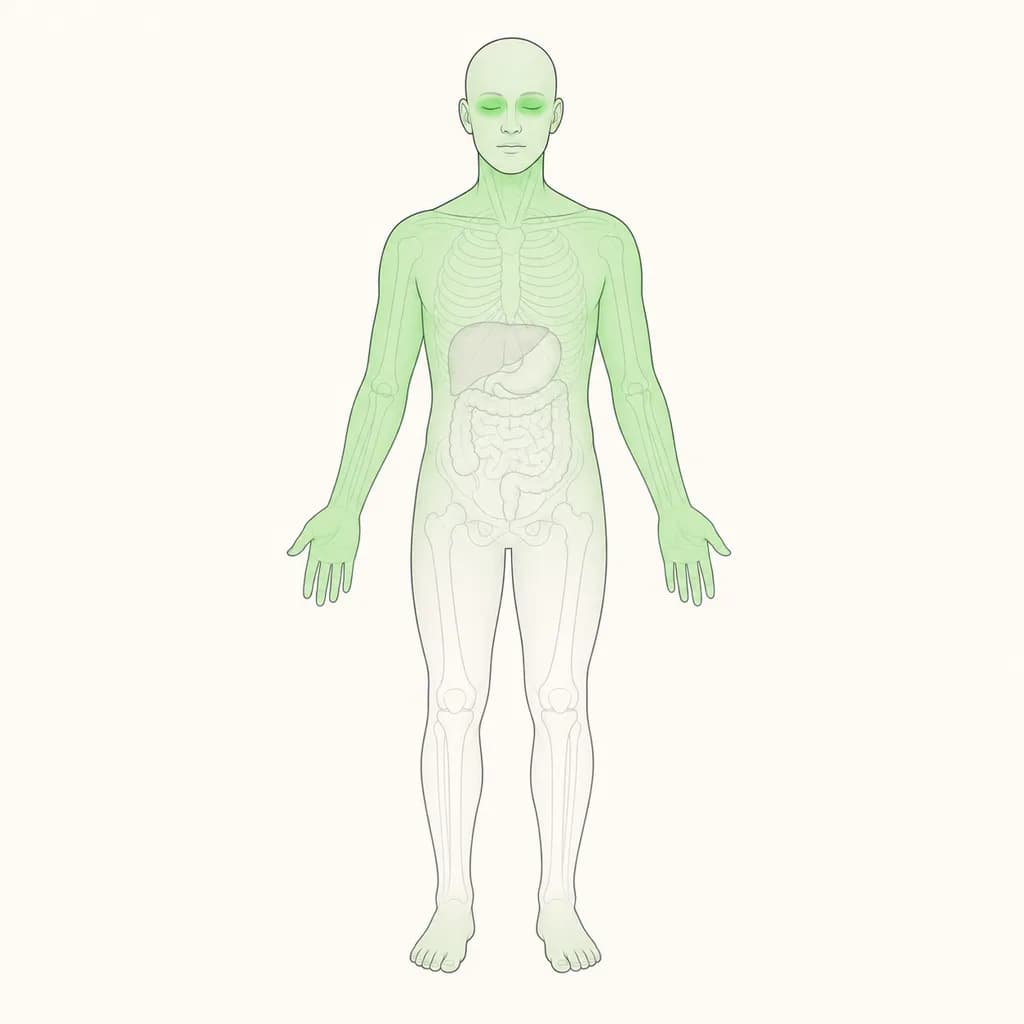
Jaundice is caused by a build-up of bilirubin, often because the liver cannot process it, bile cannot drain, or red blood cells are breaking down quickly.
This answers one question. It is not a diagnosis and does not replace an assessment by a licensed doctor.
At a glance
- What it is
- A visible sign of excess bilirubin
- Where it shows
- Often the whites of the eyes and skin
- Next step
- Arrange a prompt medical assessment for new jaundice
What causes jaundice?
Jaundice is caused by a build-up of bilirubin, often because the liver cannot process it, bile cannot drain, or red blood cells are breaking down quickly. Bilirubin is a yellow substance formed when old red blood cells are cleared. The build-up can make the whites of the eyes or skin look yellow and may darken urine or lighten stools. Jaundice is a sign rather than a diagnosis, so its cause needs assessment.
What jaundice can mean
The problem may occur before bilirubin reaches the liver, within the liver, or after the liver as bile travels through the gallbladder and bile ducts. Liver inflammation from infections such as Hepatitis A can interfere with processing. Long-term liver damage, including Liver Cirrhosis, can reduce the liver's ability to handle bilirubin. A blocked bile duct may occur with inflammation of the pancreas, known as Pancreatitis, or with another blockage near the bile duct.
Faster breakdown of red blood cells can also raise bilirubin. This can happen with inherited blood conditions such as Sickle Cell Disease, or with some infections, including Malaria. Less commonly, a growth affecting the bile drainage system, such as Pancreatic Cancer or Liver Metastases, can contribute. These possibilities cannot be distinguished by colour alone; a clinician may use an examination and blood tests, with imaging when needed.
What to do if you notice yellowing
Arrange a medical assessment promptly, especially if the change is new. Note when it began and whether you have dark urine, pale stools, itching, nausea, abdominal pain, fever, weight change, or unusual tiredness. Tell the clinician about recent travel, alcohol use, prescribed medicines, supplements, previous liver problems, and any family history of blood or liver conditions. Do not stop a prescribed medicine without advice. A clinician may check bilirubin and liver enzymes, assess the blood count, and decide whether further testing is appropriate.
When to seek urgent care
Seek urgent medical help if yellowing comes with severe or worsening abdominal pain, fever or chills, repeated vomiting, confusion, marked sleepiness, bleeding, or fainting. Urgent assessment is also needed if you cannot keep fluids down or if you feel acutely unwell. These symptoms can point to infection, blockage, significant liver dysfunction, or another problem that needs rapid treatment. Newborns and young infants with yellowing need prompt advice from a healthcare professional.
Questions for your doctor
Useful questions include: Which tests will help identify where the bilirubin build-up is occurring? Could any of my medicines or supplements be contributing? Do my urine or stool changes suggest a bile-flow problem? What symptoms should send me to urgent care, and when should I return for the results?
Find care
General Clinics & Polyclinics in Abu Dhabi
That answer is general. If you want it applied to your own case, these are licensed general clinics & polyclinics listed in Abu Dhabi.
27 Ar Ruwwad St - Shakhbout City - MSH4 - Abu Dhabi - United Arab Emirates
Accepts: Daman, Thiqa, Cigna, MetLife +20 more
Al Ruwais, Al Dhafrah
Accepts: Daman, Thiqa, AXA, Cigna +16 more
Al Bahyah - Al Bahyah Old - Abu Dhabi - United Arab Emirates
Accepts: Daman, Thiqa, Cigna, Allianz Care +18 more
Abu Dhabi
Accepts: Daman, Thiqa, AXA, Cigna +27 more
Ordered by verification status and how complete each clinic's public record is, then alphabetically. This is a directory listing, not a ranking — Zavis does not rate or recommend providers.
A factual listing drawn from the DHA, DOH and MOHAP licence registers. It is not a referral, an endorsement, or advice that any of these providers is right for you.
Questions people ask
Can jaundice be caused by a liver problem?
Yes. Liver inflammation, long-term liver damage, and some infections can reduce bilirubin processing. Testing is needed to identify the specific cause.
Does jaundice always mean a serious illness?
No. Several problems can cause jaundice, and the appearance alone cannot show how serious the cause is. New jaundice still deserves prompt medical assessment.
What symptoms can occur with jaundice?
Dark urine, pale stools, itching, nausea, abdominal discomfort, fever, and tiredness can occur, depending on the underlying cause.
Related
Related reading
Keep reading
Medical disclaimer. This page is general health information, not medical advice, and it cannot diagnose you. Always consult a licensed healthcare provider about your own symptoms and treatment. In an emergency in the UAE, call 998 for an ambulance.