
What are the treatment options for type 2 diabetes?
Short answer
Treatment for type 2 diabetes may include nutrition and activity changes, weight support, regular monitoring, education and medicines chosen with a clinician.
This answers one question. It is not a diagnosis and does not replace an assessment by a licensed doctor.
At a glance
- Treatment focus
- Glucose control and prevention of complications
- Support options
- Education, nutrition, activity and weight-management support
- Review
- Plans are adjusted using symptoms, readings and health checks
How treatment is selected
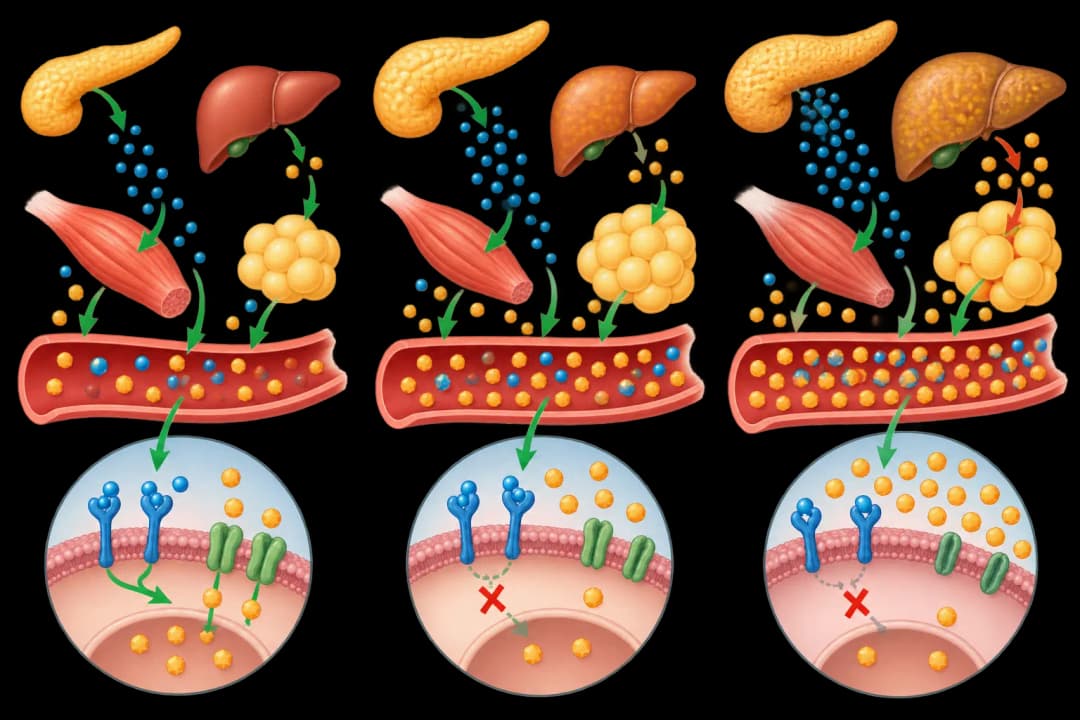
Type 2 diabetes affects how the body uses insulin, so the plan aims to keep blood glucose in a safer range while protecting the heart, kidneys, eyes and nerves. Some people begin with changes to meals, movement, sleep and weight. Others need medicine from the outset, especially when glucose is significantly raised or symptoms are troublesome.
A clinician may review home readings, blood tests, blood pressure, cholesterol, kidney function and current medicines. Treatment can change over time; a medicine that suits one person may not suit someone with kidney disease, pregnancy, or a history of low blood glucose.
Practical next steps
Arrange a structured review to agree targets and a monitoring plan. Nutrition counselling can turn general advice into meals that fit your culture, schedule and preferences. An education programme can explain glucose checks, medicine timing, foot care and sick-day planning. Weight-management support may help when weight is affecting glucose control, and weight-loss injections may be considered for some people after an individual assessment.
Take prescribed medicines as directed and do not stop them because a reading improves. Keep a record of readings, symptoms and missed doses. Ask how to recognise low or high glucose and what to do during vomiting, fever or reduced eating.
When to seek medical help
Seek urgent care for confusion, fainting, severe weakness, trouble breathing, repeated vomiting, or inability to keep fluids down. Contact your clinician promptly for persistent high readings, repeated low readings, new vision changes, a foot wound, or signs of infection such as spreading redness and fever.
Questions for your doctor
Which treatment should I start with, and how will we judge whether it is working? What glucose checks do I need? Could any of my medicines affect my kidneys or cause low glucose? When should I arrange my next review?
Find care
General Clinics & Polyclinics in Abu Dhabi
That answer is general. If you want it applied to your own case, these are licensed general clinics & polyclinics listed in Abu Dhabi.
27 Ar Ruwwad St - Shakhbout City - MSH4 - Abu Dhabi - United Arab Emirates
Accepts: Daman, Thiqa, Cigna, MetLife +20 more
Al Ruwais, Al Dhafrah
Accepts: Daman, Thiqa, AXA, Cigna +16 more
Al Bahyah - Al Bahyah Old - Abu Dhabi - United Arab Emirates
Accepts: Daman, Thiqa, Cigna, Allianz Care +18 more
Abu Dhabi
Accepts: Daman, Thiqa, AXA, Cigna +27 more
Ordered by verification status and how complete each clinic's public record is, then alphabetically. This is a directory listing, not a ranking — Zavis does not rate or recommend providers.
A factual listing drawn from the DHA, DOH and MOHAP licence registers. It is not a referral, an endorsement, or advice that any of these providers is right for you.
Questions people ask
Can type 2 diabetes be managed without medicine?
Some people improve control with food, activity and weight changes, but others need medicine. Your clinician can use your readings and health history to decide.
Should I stop diabetes medicine when I feel well?
No. Feeling well does not show whether glucose is controlled. Discuss any change with your clinician first.
Related
Related reading
Keep reading
Medical disclaimer. This page is general health information, not medical advice, and it cannot diagnose you. Always consult a licensed healthcare provider about your own symptoms and treatment. In an emergency in the UAE, call 998 for an ambulance.