
What are the treatment options for type 1 diabetes?
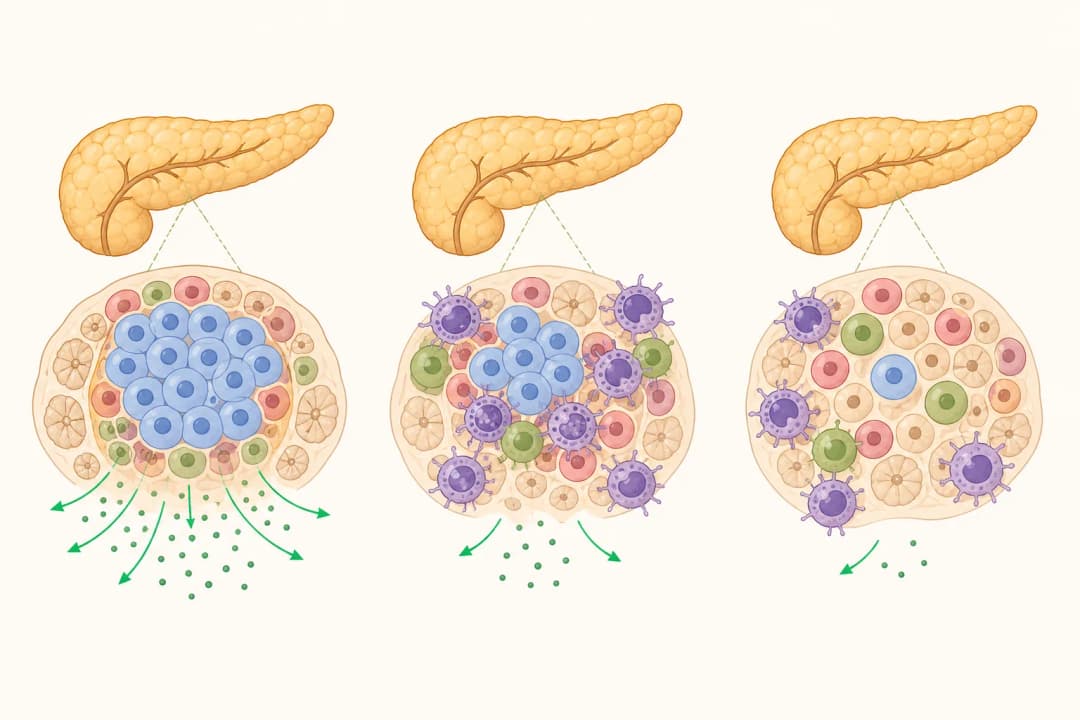
Short answer
Type 1 diabetes is treated with insulin, glucose monitoring, practical education, and regular reviews to adjust care as needs change.
This answers one question. It is not a diagnosis and does not replace an assessment by a licensed doctor.
At a glance
- Essential treatment
- Insulin is needed every day to replace the body’s missing insulin.
- Support
- Monitoring, education and review help tailor treatment to real-life routines.
What management involves
In type 1 diabetes, the body does not make enough insulin to control glucose. Insulin must therefore be supplied through injections or a pump, with doses matched to food, activity, illness and glucose readings. Treatment is ongoing and individual; the aim is to support day-to-day wellbeing while reducing the chance of glucose becoming too high or too low. See [Type 1 Diabetes](/conditions/type-1-diabetes/) for background.
Building a workable routine
A diabetes team can help you use insulin, check glucose, recognise patterns and plan for exercise, travel and sick days. [Diabetes Medication Management](/treatments/medical-management/diabetes-medication-management/) supports dose review and medicine safety. A [Diabetes Education Programme](/treatments/lifestyle-and-wellness/diabetes-education-programme/) can cover carbohydrate awareness, injection technique and treating low glucose. Regular [Chronic Disease Review](/treatments/consultations-and-assessment/chronic-disease-review/) checks progress and updates the plan.
When to seek urgent help
Seek urgent help for confusion, inability to stay awake, severe weakness, repeated vomiting, deep or rapid breathing, or glucose that remains very high with ketones or feeling unwell. Treat low glucose promptly using the plan provided by your diabetes team, and seek help if the person cannot swallow or does not recover.
Questions for your doctor
Ask which insulin schedule suits you, how to adjust doses during illness or exercise, when to check ketones, how to manage low glucose, and how often your wider diabetes health should be reviewed.
Find care
General Clinics & Polyclinics in Abu Dhabi
That answer is general. If you want it applied to your own case, these are licensed general clinics & polyclinics listed in Abu Dhabi.
27 Ar Ruwwad St - Shakhbout City - MSH4 - Abu Dhabi - United Arab Emirates
Accepts: Daman, Thiqa, Cigna, MetLife +20 more
Al Ruwais, Al Dhafrah
Accepts: Daman, Thiqa, AXA, Cigna +16 more
Al Bahyah - Al Bahyah Old - Abu Dhabi - United Arab Emirates
Accepts: Daman, Thiqa, Cigna, Allianz Care +18 more
Abu Dhabi
Accepts: Daman, Thiqa, AXA, Cigna +27 more
Ordered by verification status and how complete each clinic's public record is, then alphabetically. This is a directory listing, not a ranking — Zavis does not rate or recommend providers.
A factual listing drawn from the DHA, DOH and MOHAP licence registers. It is not a referral, an endorsement, or advice that any of these providers is right for you.
Questions people ask
Can type 1 diabetes be managed with diet alone?
No. Food choices support glucose management, but insulin is essential because the body cannot make enough of it.
What happens during a chronic disease review?
The team reviews glucose patterns, medicines, wellbeing and health checks, then agrees any useful changes.
Related
Related reading
Keep reading
Medical disclaimer. This page is general health information, not medical advice, and it cannot diagnose you. Always consult a licensed healthcare provider about your own symptoms and treatment. In an emergency in the UAE, call 998 for an ambulance.