
What are the treatment options for sickle cell disease?
Short answer
Treatment for sickle cell disease combines prevention, pain and infection care, medicines that reduce complications, monitoring, and specialist support tailored to each person.
This answers one question. It is not a diagnosis and does not replace an assessment by a licensed doctor.
At a glance
- Care approach
- Long-term specialist care with prevention and rapid treatment of complications
- Useful monitoring
- Blood tests, symptoms, organ health, and medicine effects
How care is planned
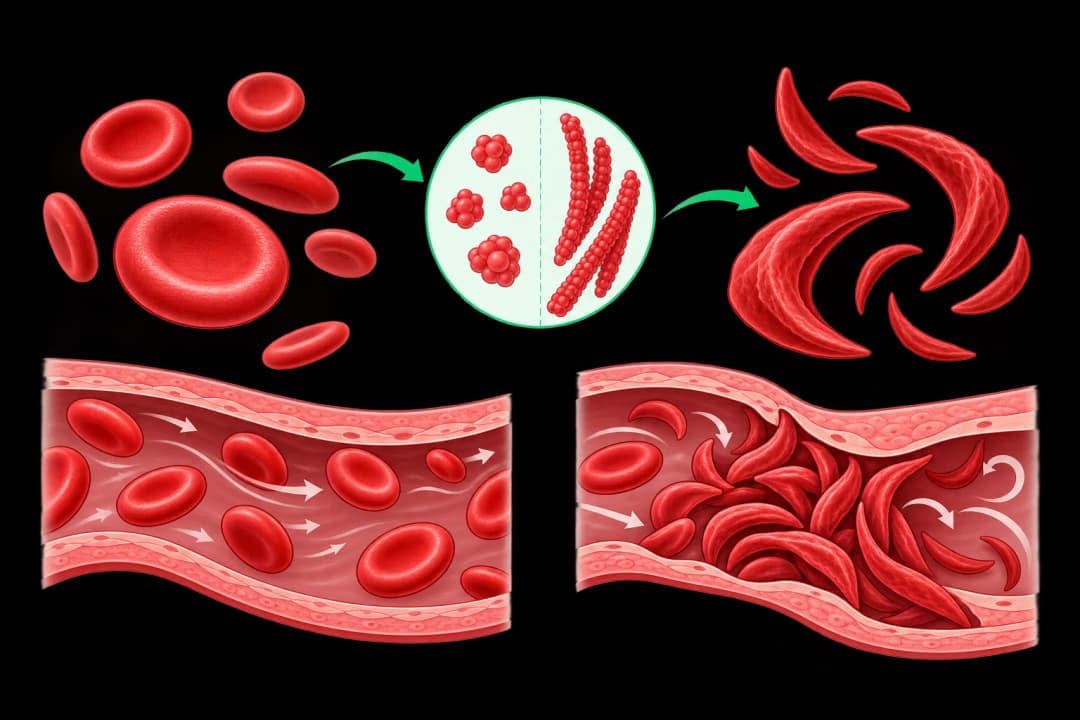
Sickle cell disease changes the shape and behaviour of red blood cells. This can reduce oxygen delivery and cause episodes of severe pain, anaemia, infection risk, or problems affecting organs. Treatment is planned with a haematology team and depends on symptoms, age, pregnancy plans, other conditions, and previous complications.
Blood tests help confirm the type of sickle cell disease, check anaemia, and monitor treatment. Regular reviews may include vaccination advice, infection prevention, kidney and eye checks, and discussion of growth, school, work, or emotional wellbeing.
Everyday care and medical options
Drink regularly, avoid becoming overheated or chilled, pace strenuous activity, and seek advice early when illness begins. Follow the personal pain plan provided by the care team. Treatment during a pain episode may include prescribed pain relief, fluids, oxygen when indicated, and assessment for infection or another complication.
Disease-modifying medicine may reduce pain episodes and other complications for some people. Blood transfusion can be used for selected emergencies or complications, with careful monitoring. In particular situations, a specialist may discuss stem-cell transplantation or other advanced options. Do not alter medicines or transfusion plans without the treating team.
Premarital screening can help couples understand carrier status and reproductive options before pregnancy. It does not treat sickle cell disease, but it can guide genetic counselling and planning.
When to seek urgent care
Seek urgent care for severe or unusual pain, fever, chest pain, breathing difficulty, sudden weakness, confusion, severe headache, abdominal swelling, persistent vomiting, or a painful erection lasting longer than expected. Fever in a person with sickle cell disease needs prompt assessment because infection can become serious quickly.
Questions for your doctor
What is my personal plan for pain and fever? Which medicines reduce my risk of complications? How often do I need blood tests and specialist reviews? Should I consider genetic counselling or premarital screening? Which symptoms require emergency care?
Find care
General Clinics & Polyclinics in Abu Dhabi
That answer is general. If you want it applied to your own case, these are licensed general clinics & polyclinics listed in Abu Dhabi.
27 Ar Ruwwad St - Shakhbout City - MSH4 - Abu Dhabi - United Arab Emirates
Accepts: Daman, Thiqa, Cigna, MetLife +20 more
Al Ruwais, Al Dhafrah
Accepts: Daman, Thiqa, AXA, Cigna +16 more
Al Bahyah - Al Bahyah Old - Abu Dhabi - United Arab Emirates
Accepts: Daman, Thiqa, Cigna, Allianz Care +18 more
Abu Dhabi
Accepts: Daman, Thiqa, AXA, Cigna +27 more
Ordered by verification status and how complete each clinic's public record is, then alphabetically. This is a directory listing, not a ranking — Zavis does not rate or recommend providers.
A factual listing drawn from the DHA, DOH and MOHAP licence registers. It is not a referral, an endorsement, or advice that any of these providers is right for you.
Questions people ask
Can sickle cell disease be cured?
Some people may be assessed for a potentially curative stem-cell transplant, but it is not suitable for everyone and carries important risks. Most care focuses on preventing and treating complications.
Why are blood tests part of sickle cell disease care?
They can help identify the disease type, measure anaemia, monitor treatment, and detect changes that need further assessment.
Related
Related reading
Keep reading
Medical disclaimer. This page is general health information, not medical advice, and it cannot diagnose you. Always consult a licensed healthcare provider about your own symptoms and treatment. In an emergency in the UAE, call 998 for an ambulance.