
What are the treatment options for osteopenia?
Short answer
Treatment for osteopenia usually focuses on strength and balance exercise, adequate calcium and vitamin D, lifestyle changes and monitoring, with medicine considered for selected fracture-risk profiles.
This answers one question. It is not a diagnosis and does not replace an assessment by a licensed doctor.
At a glance
- Main focus
- Exercise, nutrition and risk review
- Supplements
- Use them when clinically appropriate
Understanding the goal
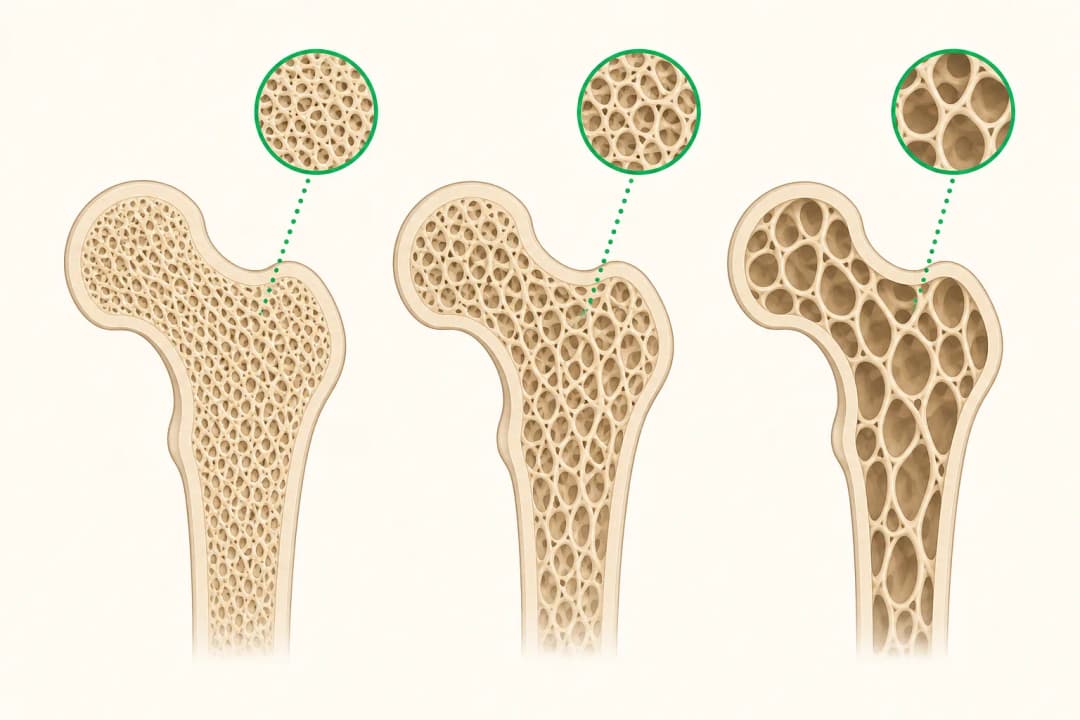
Osteopenia means bone density is lower than expected for healthy bone but does not automatically mean that a fracture is imminent. The plan considers bone-density results, age, previous fractures, medicines and health conditions. Your clinician may also look for reversible contributors such as low vitamin D or limited physical activity.
Building a bone-health plan
[Strength Training Rehabilitation](/treatments/physiotherapy-and-rehabilitation/strength-training-rehabilitation/) can develop muscle support and loading in a controlled way, with balance work where appropriate. [Calcium Supplementation](/treatments/non-surgical-orthopedics/calcium-supplementation/) may be advised when food intake is insufficient, while [Vitamin D Supplementation](/treatments/medical-management/vitamin-d-supplementation/) is used when intake or levels need attention. Avoid smoking, limit alcohol and use safe lifting and fall-aware habits. Do not start supplements without reviewing your medicines and health history.
When to seek care
Book a review after a fracture from a minor fall, new persistent bone or back pain, loss of height or a sudden change in mobility. Urgent assessment is needed after a serious fall, inability to bear weight or severe new back pain.
Questions for your doctor
Ask whether your diet provides enough calcium, whether vitamin D should be checked, which exercises are safe, when bone density should be reviewed, and how your medicines affect bone health.
Find care
General Clinics & Polyclinics in Abu Dhabi
That answer is general. If you want it applied to your own case, these are licensed general clinics & polyclinics listed in Abu Dhabi.
27 Ar Ruwwad St - Shakhbout City - MSH4 - Abu Dhabi - United Arab Emirates
Accepts: Daman, Thiqa, Cigna, MetLife +20 more
Al Ruwais, Al Dhafrah
Accepts: Daman, Thiqa, AXA, Cigna +16 more
Al Bahyah - Al Bahyah Old - Abu Dhabi - United Arab Emirates
Accepts: Daman, Thiqa, Cigna, Allianz Care +18 more
Abu Dhabi
Accepts: Daman, Thiqa, AXA, Cigna +27 more
Ordered by verification status and how complete each clinic's public record is, then alphabetically. This is a directory listing, not a ranking — Zavis does not rate or recommend providers.
A factual listing drawn from the DHA, DOH and MOHAP licence registers. It is not a referral, an endorsement, or advice that any of these providers is right for you.
Questions people ask
Does osteopenia always need prescription medicine?
No. The decision depends on overall fracture risk and other findings; many plans begin with lifestyle and monitoring.
Can strength training be safe?
With suitable technique and progression, it can support bone and muscle health; get instruction if you have pain or fracture risk.
Related
Related reading
Keep reading
Medical disclaimer. This page is general health information, not medical advice, and it cannot diagnose you. Always consult a licensed healthcare provider about your own symptoms and treatment. In an emergency in the UAE, call 998 for an ambulance.