
What are the treatment options for Osgood-Schlatter disease?
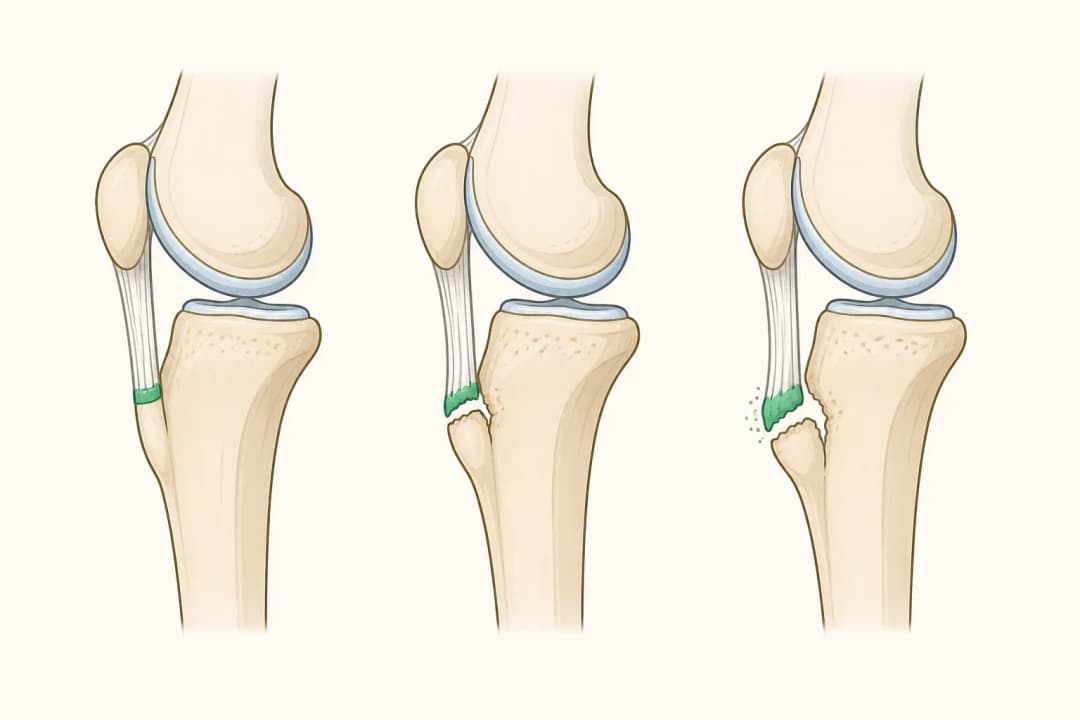
Short answer
Treatment for Osgood-Schlatter disease usually combines temporary activity modification, pain relief, stretching and strengthening, with surgery considered only for persistent problems after growth.
This answers one question. It is not a diagnosis and does not replace an assessment by a licensed doctor.
At a glance
- Common focus
- Activity adjustment and rehabilitation
- Pain relief
- Cold therapy and clinician-advised medicines
How treatment helps
The condition affects the growth area where the kneecap tendon attaches to the shin. Running, jumping and kneeling can repeatedly pull on this area, causing pain and tenderness at the bump below the knee. A clinician may recommend reducing the activities that trigger pain without stopping all movement. A cold pack after activity can calm discomfort; warmth may help stiffness. See the guide to [Hot and Cold Therapy](/treatments/physiotherapy-and-rehabilitation/hot-and-cold-therapy/).
Practical treatment steps
A physiotherapist can assess movement and teach gentle quadriceps, hamstring and hip exercises that build support without aggravating the knee. [Paediatric Physiotherapy](/treatments/physiotherapy-and-rehabilitation/paediatric-physiotherapy/) can adapt the plan for a child or teenager and coordinate a gradual return to sport. Supportive footwear, a warm-up and avoiding painful kneeling may also help. Do not push through sharp or increasing pain; progress is guided by symptoms and function.
When to seek care
Arrange an assessment if pain limits walking, sleep, school or sport, or if swelling persists. Seek prompt care after a significant injury, inability to bear weight, marked redness or fever. A clinician can check that the symptoms fit Osgood-Schlatter disease and assess other causes of knee pain.
Questions for your doctor
Ask which activities should be reduced, which exercises are suitable now, how to judge a safe return to sport, and whether imaging is needed if symptoms do not settle.
Find care
General Clinics & Polyclinics in Abu Dhabi
That answer is general. If you want it applied to your own case, these are licensed general clinics & polyclinics listed in Abu Dhabi.
27 Ar Ruwwad St - Shakhbout City - MSH4 - Abu Dhabi - United Arab Emirates
Accepts: Daman, Thiqa, Cigna, MetLife +20 more
Al Ruwais, Al Dhafrah
Accepts: Daman, Thiqa, AXA, Cigna +16 more
Al Bahyah - Al Bahyah Old - Abu Dhabi - United Arab Emirates
Accepts: Daman, Thiqa, Cigna, Allianz Care +18 more
Abu Dhabi
Accepts: Daman, Thiqa, AXA, Cigna +27 more
Ordered by verification status and how complete each clinic's public record is, then alphabetically. This is a directory listing, not a ranking — Zavis does not rate or recommend providers.
A factual listing drawn from the DHA, DOH and MOHAP licence registers. It is not a referral, an endorsement, or advice that any of these providers is right for you.
Questions people ask
Can a child keep exercising?
Often, yes, if the activity does not cause significant pain or a worsening limp; a clinician can set safe limits.
Is surgery usually needed?
Surgery is uncommon and may be discussed for ongoing symptoms after growth when non-surgical care has not helped.
Related
Related reading
Keep reading
Medical disclaimer. This page is general health information, not medical advice, and it cannot diagnose you. Always consult a licensed healthcare provider about your own symptoms and treatment. In an emergency in the UAE, call 998 for an ambulance.