
What are the risk factors for pneumonia?
Short answer
Pneumonia is more likely in older adults and young children, smokers, people with chronic illness, or after a viral infection such as influenza or COVID-19.
This answers one question. It is not a diagnosis and does not replace an assessment by a licensed doctor.
At a glance
- Important exposures
- Smoking and recent viral infection
- Aspiration clue
- Coughing or choking during meals
- Emergency sign
- Severe breathing difficulty or blue lips
What increases vulnerability
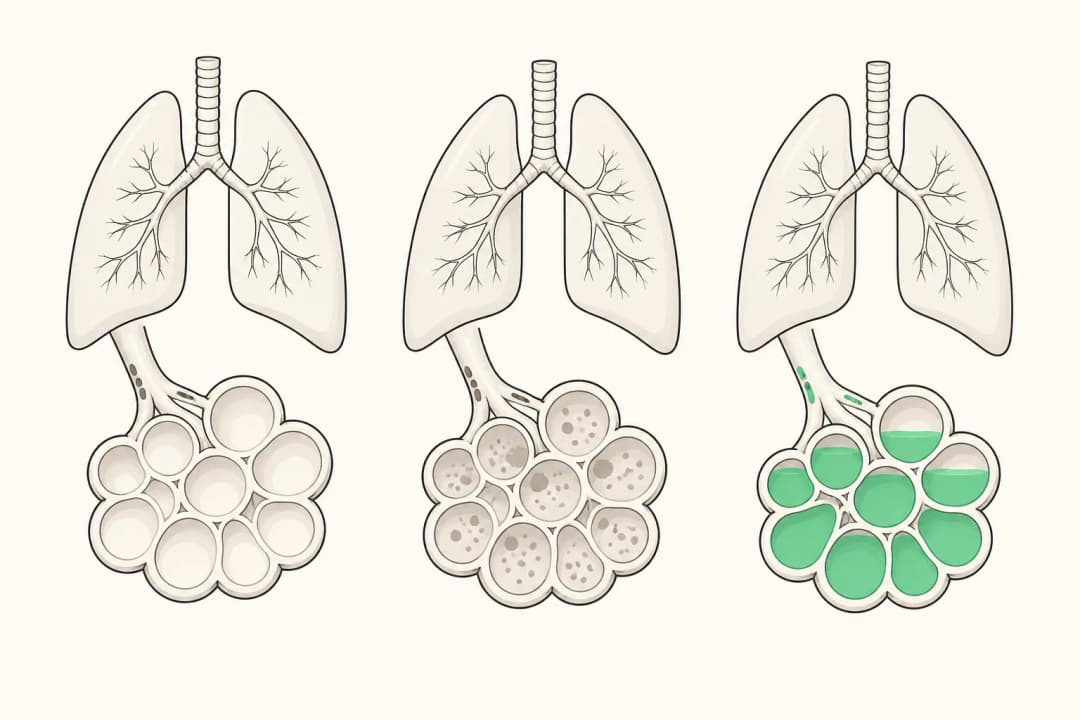
Pneumonia is an infection or inflammation affecting the small air sacs and surrounding lung tissue. The risk is higher when immune defences are weaker, cough is less effective, or material from the mouth or stomach enters the airways. Relevant factors include older age, very young age, smoking, chronic lung or heart disease, diabetes, kidney disease, cancer treatment and medicines that suppress immunity. Swallowing difficulty, reduced alertness and recent surgery can also increase aspiration risk. Influenza and COVID-19 can themselves lead to pneumonia or leave the lungs more vulnerable to another infection.
Ways to lower risk
Keep chronic conditions under control and ask about recommended vaccinations for your age and health. Wash hands, avoid smoking, and stay away from people who are acutely unwell when practical. If swallowing is difficult or coughing begins during meals, tell a clinician; changing food textures or seeking swallowing assessment may reduce aspiration risk. Seek advice early for a worsening cough or fever if you have a condition that makes chest infections harder to manage.
When to seek medical help
Arrange prompt assessment for fever, cough with breathlessness, chest pain when breathing, confusion, marked weakness or coughing up blood. Seek emergency help for severe difficulty breathing, blue or grey lips, fainting, new confusion or inability to stay awake. Children, older adults and people with weakened immunity may become seriously unwell with less obvious symptoms.
Questions for your doctor
Do my lung, heart or immune conditions raise my risk? Which vaccines are suitable for me? Could swallowing problems be contributing? How soon should I be reviewed if fever or breathlessness starts?
Find care
General Clinics & Polyclinics in Abu Dhabi
That answer is general. If you want it applied to your own case, these are licensed general clinics & polyclinics listed in Abu Dhabi.
27 Ar Ruwwad St - Shakhbout City - MSH4 - Abu Dhabi - United Arab Emirates
Accepts: Daman, Thiqa, Cigna, MetLife +20 more
Al Ruwais, Al Dhafrah
Accepts: Daman, Thiqa, AXA, Cigna +16 more
Al Bahyah - Al Bahyah Old - Abu Dhabi - United Arab Emirates
Accepts: Daman, Thiqa, Cigna, Allianz Care +18 more
Abu Dhabi
Accepts: Daman, Thiqa, AXA, Cigna +27 more
Ordered by verification status and how complete each clinic's public record is, then alphabetically. This is a directory listing, not a ranking — Zavis does not rate or recommend providers.
A factual listing drawn from the DHA, DOH and MOHAP licence registers. It is not a referral, an endorsement, or advice that any of these providers is right for you.
Questions people ask
Can influenza cause pneumonia?
Yes. Influenza can inflame the lungs directly or make it easier for another infection to develop.
Does COVID-19 increase pneumonia risk?
Yes. COVID-19 can involve the lungs and may lead to pneumonia, particularly in people with other risk factors.
Related
Related reading
Medical disclaimer. This page is general health information, not medical advice, and it cannot diagnose you. Always consult a licensed healthcare provider about your own symptoms and treatment. In an emergency in the UAE, call 998 for an ambulance.