
What should you know about warning signs of type 2 diabetes?
Short answer
Warning signs of type 2 diabetes may include increased thirst, frequent urination, fatigue, blurred vision and slow-healing wounds.
This answers one question. It is not a diagnosis and does not replace an assessment by a licensed doctor.
At a glance
- Possible clues
- Thirst, frequent urination, fatigue and blurred vision
- Important point
- Symptoms may be mild or absent
- How it is checked
- Clinical assessment and blood glucose testing
How signs can appear
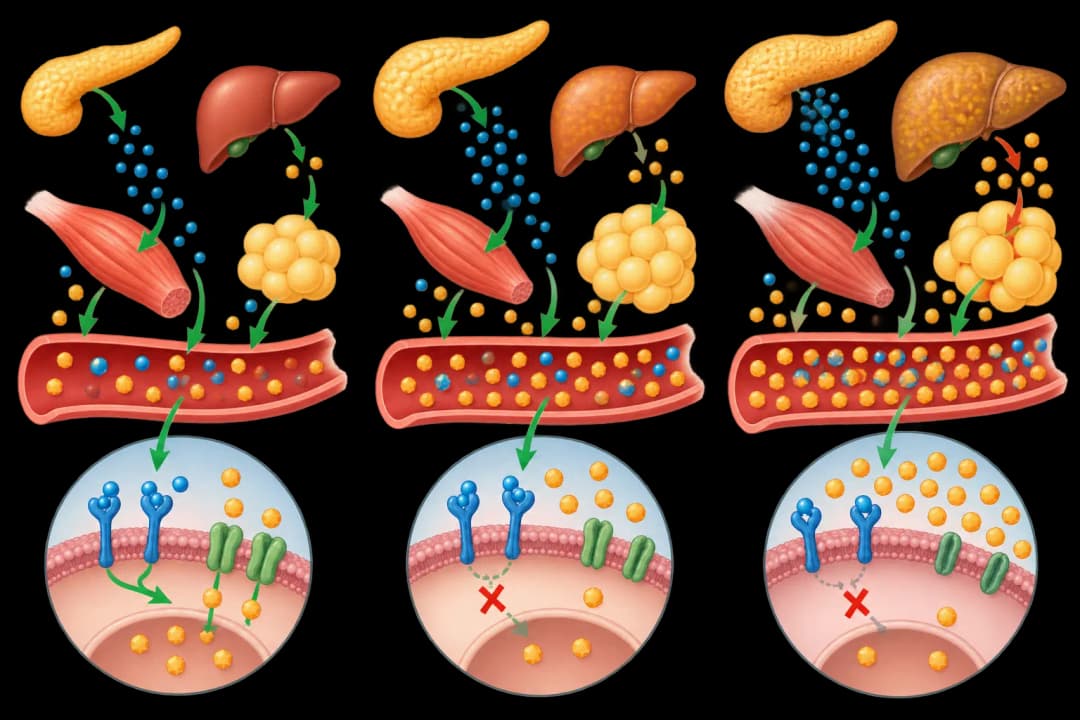
Type 2 diabetes develops when the body cannot use insulin effectively and blood glucose remains too high. This can draw more water into the urine, causing increased urination and thirst. Tiredness, blurred vision, genital itching or repeated infections may also occur. Some people have no obvious symptoms, so a risk assessment or routine blood test may identify the condition earlier.
High glucose over time can affect nerves, blood vessels, kidneys and the body's ability to deal with infection. Peripheral neuropathy, peripheral arterial disease, chronic kidney disease and cellulitis are complications or related concerns that a clinician may assess, not conclusions that can be made from symptoms alone.
Arrange an assessment
Book a GP appointment if thirst, urination, fatigue, vision changes or recurrent infections persist. Bring a list of medicines and describe changes in weight, appetite, skin, feet and sleep. Testing may include blood glucose measurements and other checks chosen by the clinician.
Until you are assessed, keep drinking water when thirsty and avoid trying to correct symptoms with someone else's diabetes medicine. If you already have diabetes, follow your personal sick-day plan and check glucose as advised.
When urgent help is needed
Seek urgent care for vomiting with marked thirst, severe weakness, confusion, drowsiness, trouble breathing, or inability to keep fluids down. If you use glucose-lowering medicine, shaking, sweating, confusion or unusual behaviour can indicate hypoglycaemia and needs prompt action according to your care plan.
Questions to ask
Ask which tests are appropriate, whether prediabetes is possible, and how often follow-up is needed. Discuss blood-pressure, kidney, eye, foot and nerve checks, plus practical changes that fit your usual meals and activity.
Find care
General Clinics & Polyclinics in Abu Dhabi
That answer is general. If you want it applied to your own case, these are licensed general clinics & polyclinics listed in Abu Dhabi.
27 Ar Ruwwad St - Shakhbout City - MSH4 - Abu Dhabi - United Arab Emirates
Accepts: Daman, Thiqa, Cigna, MetLife +20 more
Al Ruwais, Al Dhafrah
Accepts: Daman, Thiqa, AXA, Cigna +16 more
Al Bahyah - Al Bahyah Old - Abu Dhabi - United Arab Emirates
Accepts: Daman, Thiqa, Cigna, Allianz Care +18 more
Abu Dhabi
Accepts: Daman, Thiqa, AXA, Cigna +27 more
Ordered by verification status and how complete each clinic's public record is, then alphabetically. This is a directory listing, not a ranking — Zavis does not rate or recommend providers.
A factual listing drawn from the DHA, DOH and MOHAP licence registers. It is not a referral, an endorsement, or advice that any of these providers is right for you.
Questions people ask
Does thirst prove someone has type 2 diabetes?
No. Thirst has several possible causes. Persistent thirst with frequent urination or fatigue should be assessed rather than self-diagnosed.
Can type 2 diabetes cause tiredness?
Fatigue can be a presentation of type 2 diabetes, but it is not specific and may reflect many other conditions.
Related
Related reading
Keep reading
Medical disclaimer. This page is general health information, not medical advice, and it cannot diagnose you. Always consult a licensed healthcare provider about your own symptoms and treatment. In an emergency in the UAE, call 998 for an ambulance.