
Very early puberty: what should you know?
Short answer
Very early puberty means puberty changes begin earlier than expected and should be assessed to understand their cause and effect on growth.
This answers one question. It is not a diagnosis and does not replace an assessment by a licensed doctor.
At a glance
- Possible signs
- Breast development, body hair, body odour, acne, growth changes or bleeding
- Assessment
- Growth review, examination and selected hormone tests
What very early puberty can look like
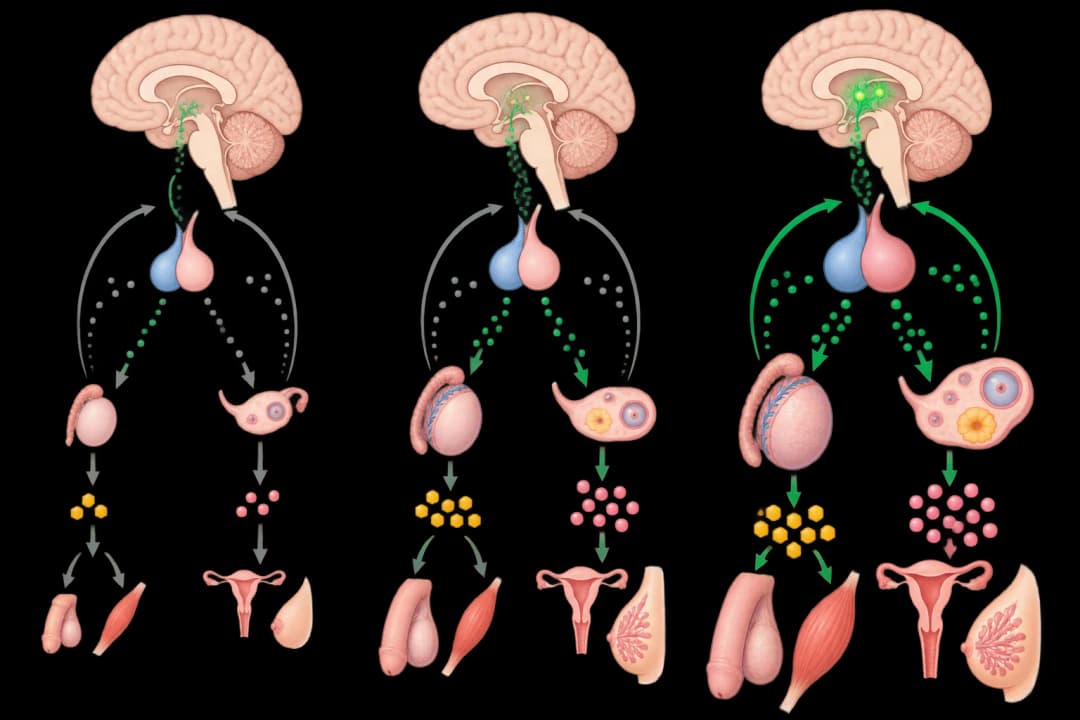
Changes may include breast development, pubic or underarm hair, body odour, acne, a growth spurt or vaginal bleeding. A child may have one change without full puberty. Some signs come from adrenal hormones rather than the ovaries, so the pattern and sequence matter. A clinician may review growth over time, examine physical development and consider hormone testing. The aim is to distinguish a temporary isolated change from puberty driven by signals from the brain.
Practical next steps
Write down when each change started and whether growth, mood or vaginal bleeding has changed. Arrange an appointment with a paediatrician or family doctor, taking any growth records and a list of medicines or supplements. Assessment may include a physical examination, a bone-age X-ray or blood tests such as a Female Hormone Blood Panel. Do not give hormone products or puberty-suppressing treatment without specialist advice. Calm, age-appropriate explanations can help a child feel supported.
When to seek care promptly
Seek medical advice soon if puberty changes progress quickly, vaginal bleeding occurs, growth changes noticeably, or headaches, vomiting, vision changes or seizures accompany the physical signs. These symptoms do not identify a cause by themselves, but they deserve timely assessment. Seek urgent care for severe headache, a seizure, sudden weakness or a child who is difficult to wake.
Questions for your doctor
Ask which puberty changes are present, whether the growth pattern is concerning, what tests are useful and whether a paediatric endocrinology referral is needed. You can also ask how to discuss the changes with your child and which symptoms should prompt faster review.
Find care
General Clinics & Polyclinics in Abu Dhabi
That answer is general. If you want it applied to your own case, these are licensed general clinics & polyclinics listed in Abu Dhabi.
27 Ar Ruwwad St - Shakhbout City - MSH4 - Abu Dhabi - United Arab Emirates
Accepts: Daman, Thiqa, Cigna, MetLife +20 more
Al Ruwais, Al Dhafrah
Accepts: Daman, Thiqa, AXA, Cigna +16 more
Al Bahyah - Al Bahyah Old - Abu Dhabi - United Arab Emirates
Accepts: Daman, Thiqa, Cigna, Allianz Care +18 more
Abu Dhabi
Accepts: Daman, Thiqa, AXA, Cigna +27 more
Ordered by verification status and how complete each clinic's public record is, then alphabetically. This is a directory listing, not a ranking — Zavis does not rate or recommend providers.
A factual listing drawn from the DHA, DOH and MOHAP licence registers. It is not a referral, an endorsement, or advice that any of these providers is right for you.
Questions people ask
Does one early puberty sign confirm a condition?
No. An isolated sign can have several explanations, so a clinician looks at the whole pattern, growth and timing.
Can very early puberty affect height?
Early hormone exposure can speed growth at first and may affect the timing of bone maturation, which is why assessment matters.
Related
Related reading
Keep reading
Medical disclaimer. This page is general health information, not medical advice, and it cannot diagnose you. Always consult a licensed healthcare provider about your own symptoms and treatment. In an emergency in the UAE, call 998 for an ambulance.