
What should you know about urology cystoscopy female?
Short answer
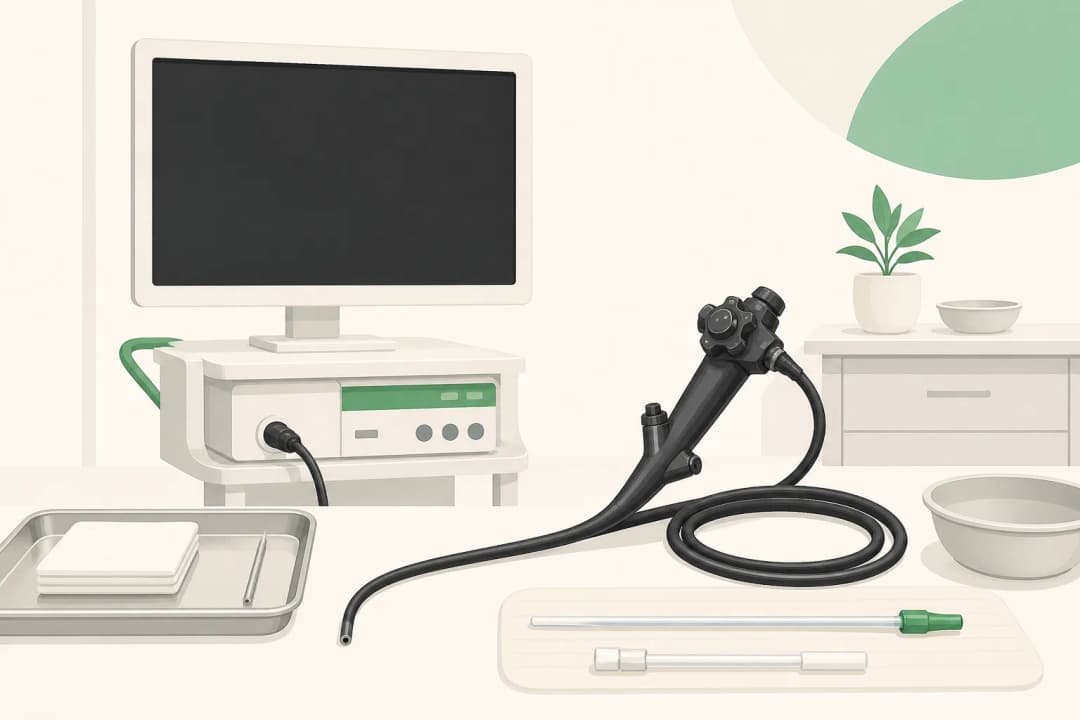
A female cystoscopy uses a narrow camera through the urethra to inspect the bladder and investigate urinary symptoms, bleeding, or a known condition.
This answers one question. It is not a diagnosis and does not replace an assessment by a licensed doctor.
At a glance
- Examines
- The urethra and bladder lining
- Preparation
- Share pregnancy, infection, allergy, and medicine details
- Follow-up
- Results guide whether further tests are needed
What your urologist is checking
Because the female urethra is shorter, the camera follows a relatively direct route into the bladder. The clinician examines the bladder lining and the urethral opening for inflammation, stones, narrowing, bleeding, or an area that looks unusual. A cystoscopy may be used during assessment or follow-up of bladder cancer. An appearance that needs attention is not the same as a confirmed cancer diagnosis; a biopsy or other tests may be needed.
Before and after the test
Tell the service about pregnancy or possible pregnancy, allergies, urinary infections, and medicines that affect bleeding. Ask whether you should change any medicine or arrange transport if sedation is planned. Afterward, mild stinging, urgency, or lightly blood-tinged urine may occur. Follow the team's fluid and activity advice, and use medicines only as directed. Keep the result appointment so the next step is clear.
Warning signs after cystoscopy
Seek prompt medical advice for fever, chills, increasing lower abdominal or back pain, heavy bleeding, clots, or difficulty passing urine. These findings can require treatment or a bladder check. If you become very unwell, use the emergency service recommended by your clinic.
Useful questions to ask
Ask what prompted the examination, whether a urine test or biopsy is planned, how you will receive the findings, and what restrictions apply afterward. You can also ask which symptoms are expected and which require a same-day call.
Questions people ask
Can a woman drive home afterward?
That depends on whether sedation or another anaesthetic was used. Confirm the plan with the clinic before attending.
What should urine look like afterward?
A small amount of blood can occur briefly, but heavy bleeding, clots, or inability to pass urine needs prompt advice.
Related
Related reading
Keep reading
Cancer care in the UAE
Hospitals & Medical Centers in Abu Dhabi
Most UAE cancer care is delivered inside hospital services rather than by standalone oncology clinics, so these are licensed hospitals & medical centers listed in Abu Dhabi. Confirm the specific cancer service exists before you travel, and know that asking for a second opinion is routine.
Ahalia Hospital Musaffah Building - Musaffah - Musaffah Industrial - Abu Dhabi - United Arab Emirates
Accepts: Daman, Thiqa, AXA, Cigna +26 more
Al Ruwais Industrial City - Abu Dhabi - United Arab Emirates
Accepts: Daman, Thiqa, AXA, Cigna +30 more
Abu Dhabi, Abu Dhabi
Accepts: Daman, Thiqa, AXA, Cigna +30 more
Second opinions are routine in cancer care and asking for one does not affect your treatment. How to arrange a second opinion in the UAE.
Ordered by verification status and how complete each clinic's public record is, then alphabetically. This is a directory listing, not a ranking — Zavis does not rate or recommend providers.
A factual listing drawn from the DHA, DOH and MOHAP licence registers. It is not a referral, an endorsement, or advice that any of these providers is right for you.
Medical disclaimer. This page is general health information, not medical advice, and it cannot diagnose you. Always consult a licensed healthcare provider about your own symptoms and treatment. In an emergency in the UAE, call 998 for an ambulance.