
What should you know about a urine NAAT gonorrhea test?
Short answer
A urine NAAT gonorrhea test looks for genetic material from the bacteria that cause gonorrhea.
This answers one question. It is not a diagnosis and does not replace an assessment by a licensed doctor.
At a glance
- Sample
- Urine collected using the clinic’s instructions
- Test method
- NAAT detects bacterial genetic material
- A positive result
- Requires prescribed treatment and partner guidance
The short answer
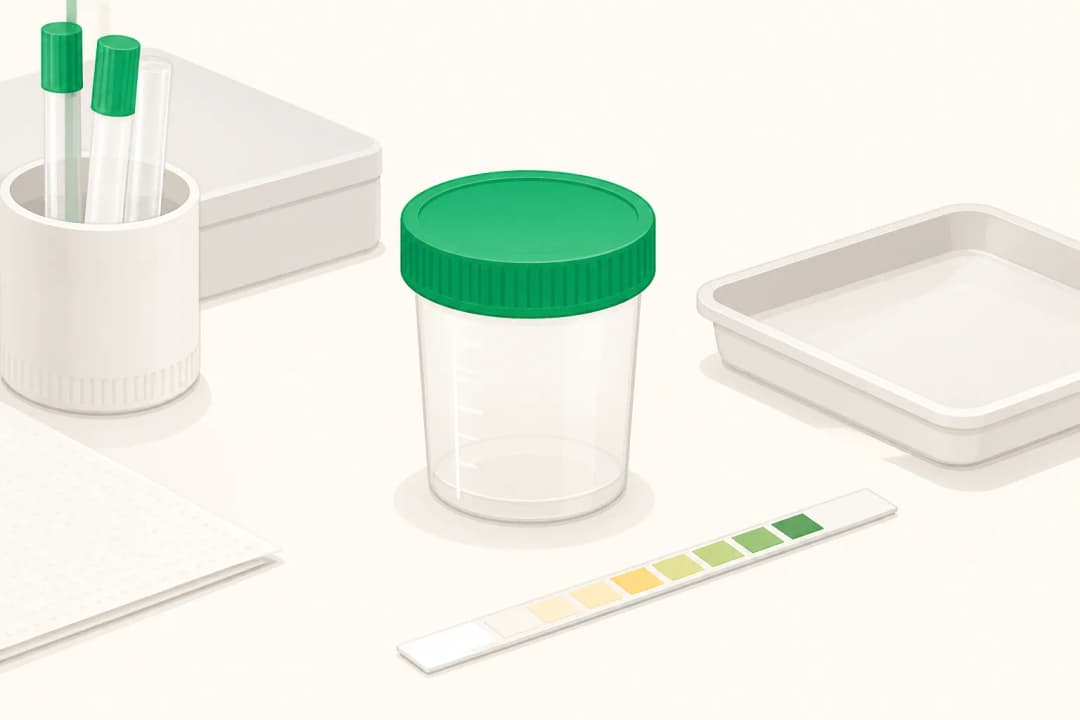
A urine NAAT gonorrhea test looks for genetic material from the bacteria that cause gonorrhea. It uses a urine sample and is designed to detect infection in the urinary or genital tract, including when symptoms are mild or absent.
Understanding the result
A positive result means gonorrhea was detected in the sample and needs medical treatment. Burning when urinating, discharge, pelvic or testicular pain, bleeding between periods, or no symptoms at all can occur. A urine test may not check every exposed site, so tell the clinician about oral or anal sexual exposure; swabs may be needed for those areas.
A negative result lowers concern for infection at the site tested, but timing, recent antibiotics, and the collection method can affect interpretation. A urinary infection has different causes, so a separate assessment may be needed if symptoms continue.
After testing
Follow the clinic’s collection instructions and share any recent antibiotics or sexual exposure details. If the result is positive, take the prescribed [Antibiotic Treatment](/treatments/medical-management/antibiotic-treatment/) exactly as directed, avoid sexual contact until the clinician says it is safe, and ask how partners should be notified and tested. Do not use leftover antibiotics.
Arrange any recommended follow-up testing, particularly if symptoms persist or exposure involved another body site. A general [Urine Test](/treatments/diagnostics-and-screening/urine-test/) may be useful when the clinician is considering other urinary causes.
When to seek care promptly
Seek urgent care for severe pelvic or abdominal pain, fever with worsening illness, swollen or very painful testicles, joint pain with a rash, eye pain or discharge, or pregnancy with concerning symptoms. These features can indicate complications requiring prompt treatment.
Questions for your doctor
Ask which body sites were tested, when sexual contact can safely resume, whether partners need testing, whether other sexually transmitted infections should be checked, and what to do if symptoms remain after treatment.
Find care
General Clinics & Polyclinics in Abu Dhabi
That answer is general. If you want it applied to your own case, these are licensed general clinics & polyclinics listed in Abu Dhabi.
27 Ar Ruwwad St - Shakhbout City - MSH4 - Abu Dhabi - United Arab Emirates
Accepts: Daman, Thiqa, Cigna, MetLife +20 more
Al Ruwais, Al Dhafrah
Accepts: Daman, Thiqa, AXA, Cigna +16 more
Al Bahyah - Al Bahyah Old - Abu Dhabi - United Arab Emirates
Accepts: Daman, Thiqa, Cigna, Allianz Care +18 more
Abu Dhabi
Accepts: Daman, Thiqa, AXA, Cigna +27 more
Ordered by verification status and how complete each clinic's public record is, then alphabetically. This is a directory listing, not a ranking — Zavis does not rate or recommend providers.
A factual listing drawn from the DHA, DOH and MOHAP licence registers. It is not a referral, an endorsement, or advice that any of these providers is right for you.
Questions people ask
Can gonorrhea be present without symptoms?
Yes. Some people have no noticeable symptoms, which is why testing after a relevant exposure can matter.
Does a urine test check the throat?
Usually not. Tell the clinician about oral exposure because a throat swab may be needed.
Related
Related reading
Keep reading
Medical disclaimer. This page is general health information, not medical advice, and it cannot diagnose you. Always consult a licensed healthcare provider about your own symptoms and treatment. In an emergency in the UAE, call 998 for an ambulance.