
Uncontrolled type 2 diabetes with hyperglycemia: what to know
Short answer
Uncontrolled type 2 diabetes with hyperglycemia means blood sugar remains above the target range and needs timely medical review.
This answers one question. It is not a diagnosis and does not replace an assessment by a licensed doctor.
At a glance
- Meaning
- Persistently high blood sugar in type 2 diabetes
- Watch for
- Thirst, frequent urination, dehydration, wounds, and confusion
- Next step
- Arrange a timely diabetes review
What it means
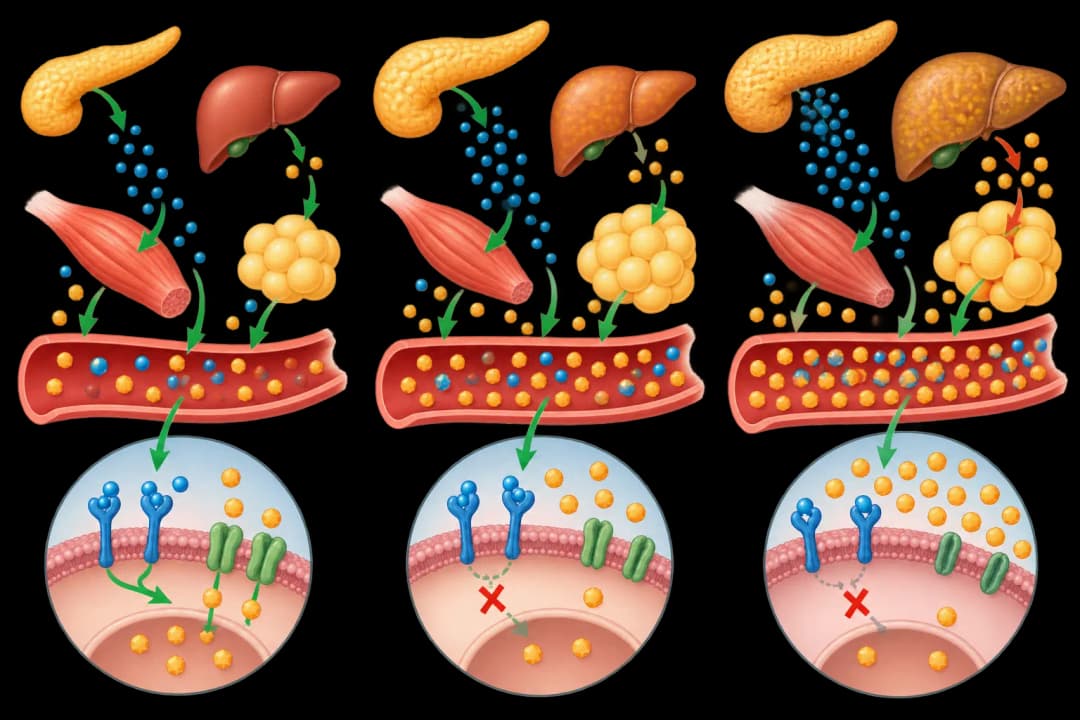
When insulin does not work effectively or the body cannot make enough of it, glucose stays in the bloodstream instead of moving into cells. You may notice thirst, frequent urination, tiredness, blurred vision, or slow-healing cuts, although high blood sugar can also cause few obvious symptoms. Ongoing elevation can affect blood vessels, nerves, kidneys, eyes, and the feet. Peripheral neuropathy can reduce protective sensation, while chronic kidney disease may develop silently. Infection, missed medicines, illness, stress, steroid treatment, or changes in eating and activity can push readings higher.
What to do next
Arrange a review with your clinician to check your readings, medicines, injection technique if relevant, nutrition, activity, blood pressure, and kidney health. Keep a record of glucose results, meals, symptoms, and doses, and take it to the appointment. Follow the prescribed plan and do not double a missed dose unless instructed. Drink fluids unless a clinician has limited them, inspect your feet, and treat cuts promptly. Ask for an individual sick-day plan before you become unwell; never stop prescribed diabetes medicine without advice.
When to seek care
Seek urgent medical help for vomiting, severe abdominal pain, deep or rapid breathing, confusion, marked drowsiness, inability to keep fluids down, or signs of dehydration. Get prompt assessment for a foot wound, spreading redness, warmth, swelling, fever, or pus because cellulitis can progress quickly. Sudden weakness, facial drooping, trouble speaking, or new vision loss may indicate a stroke and needs emergency care. A glucose reading that stays high despite your agreed plan also warrants same-day clinical advice.
Questions for your doctor
Ask what range your readings should meet, how often to test, what to do when you are ill, and which symptoms should trigger urgent help. Clarify whether your medicines need adjustment and whether you need checks for kidney disease, nerve changes, eye problems, or circulation.
Find care
General Clinics & Polyclinics in Abu Dhabi
That answer is general. If you want it applied to your own case, these are licensed general clinics & polyclinics listed in Abu Dhabi.
27 Ar Ruwwad St - Shakhbout City - MSH4 - Abu Dhabi - United Arab Emirates
Accepts: Daman, Thiqa, Cigna, MetLife +20 more
Al Ruwais, Al Dhafrah
Accepts: Daman, Thiqa, AXA, Cigna +16 more
Al Bahyah - Al Bahyah Old - Abu Dhabi - United Arab Emirates
Accepts: Daman, Thiqa, Cigna, Allianz Care +18 more
Abu Dhabi
Accepts: Daman, Thiqa, AXA, Cigna +27 more
Ordered by verification status and how complete each clinic's public record is, then alphabetically. This is a directory listing, not a ranking — Zavis does not rate or recommend providers.
A factual listing drawn from the DHA, DOH and MOHAP licence registers. It is not a referral, an endorsement, or advice that any of these providers is right for you.
Questions people ask
Can uncontrolled diabetes have few symptoms?
Yes. Blood sugar can remain high without dramatic symptoms, so planned monitoring and clinical reviews matter.
Should I change my dose myself?
No. Use the prescribed plan and obtain specific advice before changing a dose or skipping treatment.
Related
Related reading
Keep reading
Medical disclaimer. This page is general health information, not medical advice, and it cannot diagnose you. Always consult a licensed healthcare provider about your own symptoms and treatment. In an emergency in the UAE, call 998 for an ambulance.