
What should you know about type 2 diabetes with hyperglycemia?
Short answer
Type 2 diabetes with hyperglycemia means blood glucose is higher than the body can manage, so treatment and monitoring need review.
This answers one question. It is not a diagnosis and does not replace an assessment by a licensed doctor.
At a glance
- Meaning
- Blood glucose is higher than the intended range in type 2 diabetes.
- Possible clues
- Thirst, frequent urination, tiredness, blurred vision, or no obvious symptoms.
- Immediate focus
- Follow the agreed monitoring plan and get advice if readings stay high or illness develops.
The short answer
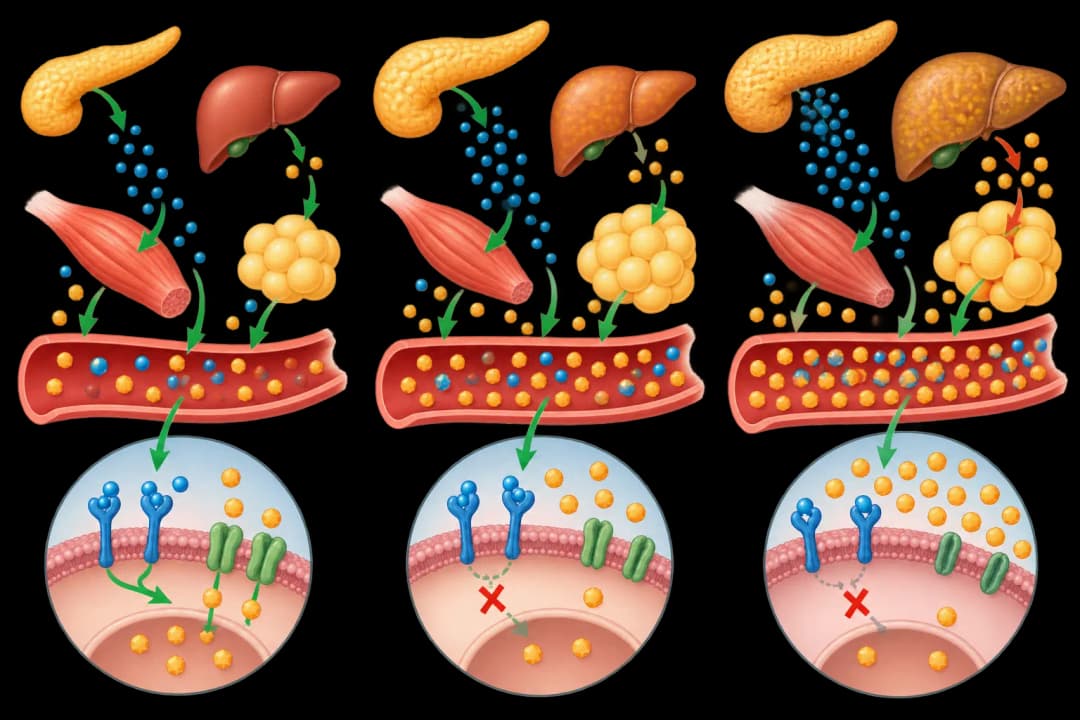
High glucose can develop when insulin does not work effectively, the body does not make enough insulin, an illness increases the body's needs, or medicines and meals are not matching the treatment plan. A single high reading can have several explanations; repeated readings or symptoms deserve clinical attention.
What hyperglycemia can mean
Some people notice increased thirst, frequent urination, tiredness, blurred vision, headache, or slower healing. Others have no clear symptoms, which is why the monitoring plan matters. Ongoing high glucose can affect blood vessels and nerves over time and can contribute to kidney disease, peripheral neuropathy, or peripheral arterial disease.
Dehydration, infection, emotional or physical stress, missed diabetes medicine, changes in eating, and reduced activity can all push glucose higher. Do not change prescribed doses on your own. Your clinician may review glucose records, medicines, eating patterns, kidney function, blood pressure, and foot health.
What you can do now
Check glucose as advised and record the reading, time, meals, medicines, activity, and symptoms. Take diabetes medicines according to the agreed plan, drink water unless a clinician has restricted your fluids, and continue regular meals rather than trying to correct a high reading by skipping food.
During illness, contact your diabetes team for sick-day advice because medicine needs can change. Inspect your feet for breaks in the skin, redness, warmth, swelling, or a new blister. Prompt treatment of a foot wound can help prevent cellulitis. Keep follow-up appointments so the plan can be adjusted safely.
When to seek medical help
Seek urgent medical help for vomiting, severe abdominal pain, deep or rapid breathing, marked drowsiness, confusion, fainting, or inability to keep fluids down. These symptoms can signal a serious glucose-related illness or dehydration and should not be managed at home without advice.
Contact your clinician promptly if readings remain above your agreed range, symptoms are worsening, you have a fever or suspected infection, or a foot wound is becoming red, warm, swollen, painful, or discharging. Sudden weakness on one side, facial drooping, trouble speaking, or new severe loss of balance needs emergency assessment because these may be signs of stroke.
Questions for your doctor
Ask what glucose range is right for you, when to check it, and what action to take for a high or low reading. Ask whether your medicines need adjustment during illness, which symptoms require urgent help, and how your kidneys, eyes, nerves, circulation, and feet will be monitored.
Find care
General Clinics & Polyclinics in Abu Dhabi
That answer is general. If you want it applied to your own case, these are licensed general clinics & polyclinics listed in Abu Dhabi.
27 Ar Ruwwad St - Shakhbout City - MSH4 - Abu Dhabi - United Arab Emirates
Accepts: Daman, Thiqa, Cigna, MetLife +20 more
Al Ruwais, Al Dhafrah
Accepts: Daman, Thiqa, AXA, Cigna +16 more
Al Bahyah - Al Bahyah Old - Abu Dhabi - United Arab Emirates
Accepts: Daman, Thiqa, Cigna, Allianz Care +18 more
Abu Dhabi
Accepts: Daman, Thiqa, AXA, Cigna +27 more
Ordered by verification status and how complete each clinic's public record is, then alphabetically. This is a directory listing, not a ranking — Zavis does not rate or recommend providers.
A factual listing drawn from the DHA, DOH and MOHAP licence registers. It is not a referral, an endorsement, or advice that any of these providers is right for you.
Questions people ask
Can hyperglycemia happen without symptoms?
Yes. Some people feel little or nothing even when glucose is repeatedly high, so advised monitoring and follow-up remain useful.
Should I skip meals when my glucose is high?
Usually, do not skip meals or change medicines without an agreed plan. Contact your diabetes team for specific sick-day or medication advice.
When is high glucose an emergency?
Vomiting, severe abdominal pain, deep or rapid breathing, confusion, fainting, or being unable to keep fluids down require urgent medical help.
Related
Related reading
Keep reading
Medical disclaimer. This page is general health information, not medical advice, and it cannot diagnose you. Always consult a licensed healthcare provider about your own symptoms and treatment. In an emergency in the UAE, call 998 for an ambulance.