
Type 2 diabetes symptoms: what to know
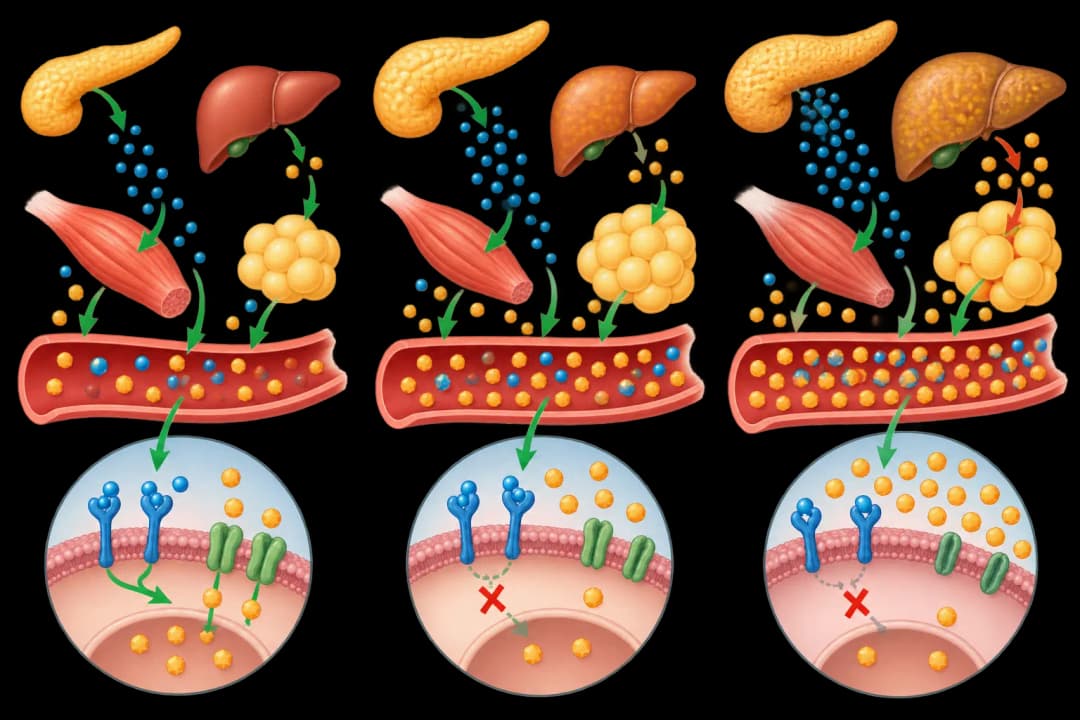
Short answer
Type 2 diabetes symptoms can develop gradually, and some people have no obvious symptoms until a blood test finds raised glucose.
This answers one question. It is not a diagnosis and does not replace an assessment by a licensed doctor.
At a glance
- Symptoms may be
- Gradual or absent
- Possible signs
- Thirst, frequent urination, tiredness or blurred vision
- A diagnosis needs
- Clinical assessment and blood testing
Possible symptoms
Common presentations include increased thirst, passing urine more often, tiredness, blurred vision, unexplained weight change, slow-healing cuts and repeated infections such as thrush. Tingling or reduced feeling in the feet can reflect nerve involvement. A symptom alone has many possible causes and cannot confirm diabetes.
Some people notice symptoms only when glucose has been raised for a while, while others feel well. Obesity and prediabetes can be associated with a higher chance of type 2 diabetes, but neither proves that diabetes is present.
What to do next
Arrange a primary-care assessment if thirst, frequent urination, blurred vision or ongoing tiredness is new or persistent. The clinician can review your symptoms, medicines and family history and arrange appropriate blood tests. Do not rely on a home symptom checklist to diagnose the condition.
Look after cuts promptly, inspect your feet, drink normally and keep a note of when symptoms occur. If diabetes is confirmed, your care plan may include food choices, activity, medicines and checks for kidney, eye, nerve and blood-vessel health.
When to seek care
Seek urgent medical help if symptoms become severe or rapidly worsen, especially vomiting, dehydration, deep or difficult breathing, marked drowsiness or confusion. Sudden facial drooping, speech trouble or weakness on one side needs emergency assessment because it may indicate a stroke. A spreading, painful, hot skin infection also needs prompt care.
Questions for your doctor
Ask which blood tests are appropriate, whether another condition or medicine could explain your symptoms, and how quickly results will be available. Ask how to care for your feet and what changes should prompt urgent help if diabetes is diagnosed.
Find care
General Clinics & Polyclinics in Abu Dhabi
That answer is general. If you want it applied to your own case, these are licensed general clinics & polyclinics listed in Abu Dhabi.
27 Ar Ruwwad St - Shakhbout City - MSH4 - Abu Dhabi - United Arab Emirates
Accepts: Daman, Thiqa, Cigna, MetLife +20 more
Al Ruwais, Al Dhafrah
Accepts: Daman, Thiqa, AXA, Cigna +16 more
Al Bahyah - Al Bahyah Old - Abu Dhabi - United Arab Emirates
Accepts: Daman, Thiqa, Cigna, Allianz Care +18 more
Abu Dhabi
Accepts: Daman, Thiqa, AXA, Cigna +27 more
Ordered by verification status and how complete each clinic's public record is, then alphabetically. This is a directory listing, not a ranking — Zavis does not rate or recommend providers.
A factual listing drawn from the DHA, DOH and MOHAP licence registers. It is not a referral, an endorsement, or advice that any of these providers is right for you.
Questions people ask
Can you have type 2 diabetes without symptoms?
Yes. Some people feel well, which is why testing may identify raised glucose before noticeable symptoms appear.
Does thirst prove you have diabetes?
No. Thirst has several possible causes. Persistent thirst should be assessed rather than interpreted from the symptom alone.
Related
Related reading
Keep reading
Medical disclaimer. This page is general health information, not medical advice, and it cannot diagnose you. Always consult a licensed healthcare provider about your own symptoms and treatment. In an emergency in the UAE, call 998 for an ambulance.