
When Do People With Type 2 Diabetes Need Insulin?
Short answer
Some people with type 2 diabetes need insulin when their body does not make enough insulin or other treatments do not keep blood glucose in the agreed range.
This answers one question. It is not a diagnosis and does not replace an assessment by a licensed doctor.
At a glance
- Purpose
- To replace insulin your body is not making or using effectively
- How it is given
- Usually by injection with a pen or syringe, following an individual plan
- Main safety issue
- Low blood glucose, especially after missed meals or a changed routine
The short answer
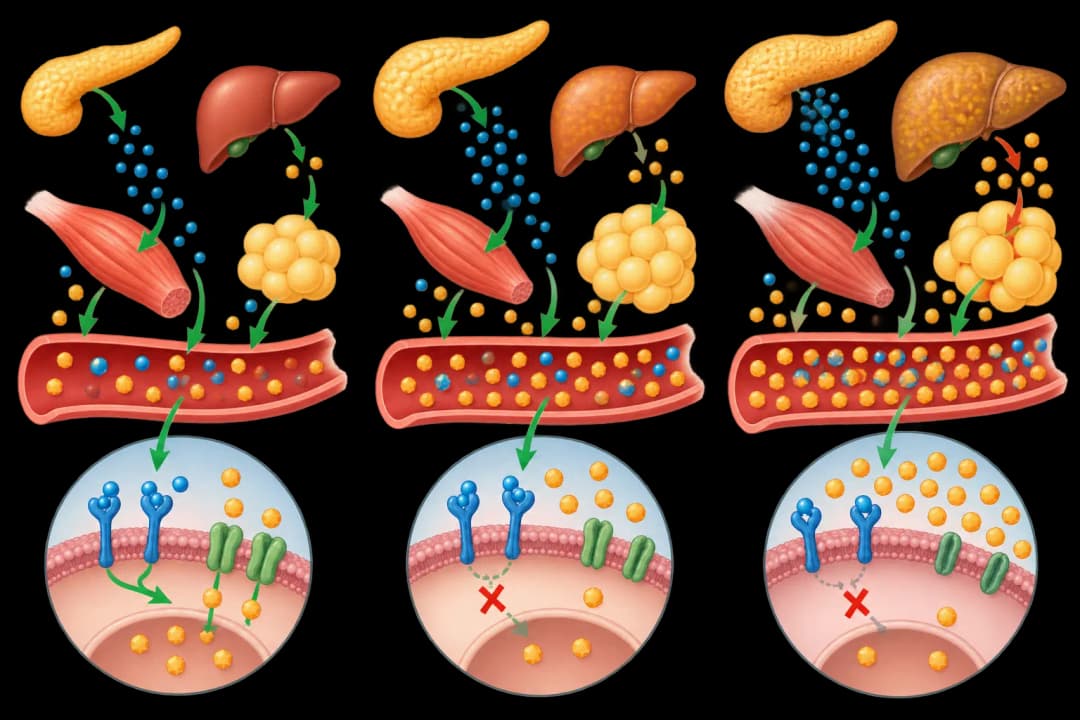
Some people with type 2 diabetes need insulin when their body does not make enough insulin or other treatments do not keep blood glucose in the agreed range. Insulin can be a temporary measure during illness, pregnancy, surgery, or treatment with certain medicines, or it can become part of long-term care. Needing insulin is not a personal failure and does not mean that type 1 diabetes has developed. The decision is based on your glucose results, symptoms, health, kidney function, other medicines, and treatment goals.
What needing insulin means
Type 2 diabetes changes over time. The pancreas may gradually produce less insulin, while the body may continue to respond poorly to the insulin it makes. Tablets, injectable non-insulin medicines, food choices, movement, and weight-related care may help, but they do not suit everyone or may not remain sufficient. Insulin replaces part of the hormone your body is missing; it does not cure diabetes. A clinician may start a once-daily long-acting insulin, adjust the dose gradually, or use additional insulin around meals when needed.
Insulin is given with a pen, syringe, or pump according to the plan provided. It can lower glucose too far, especially if a meal is delayed, activity changes, alcohol is used, or another glucose-lowering medicine is continued. This is called hypoglycaemia; learn its warning signs and treatment plan before starting.
What to do if insulin is suggested
Ask for a written schedule covering the insulin name, dose, timing, injection sites, glucose checks, and what to do if you miss a dose. Keep a record of readings, meals, activity, and low-glucose symptoms so the dose can be reviewed. Rotate injection sites and store insulin exactly as instructed; do not share pens or needles. Keep a fast-acting source of sugar available, and tell family or close colleagues how to respond if you become confused or cannot swallow.
Do not stop insulin or change its dose without advice. Arrange regular reviews so the team can check glucose patterns, injection technique, feet, vision, kidney health, and medicines. Good glucose management also helps reduce the chance of problems such as peripheral neuropathy, chronic kidney disease, or stroke.
When to seek medical care
Contact your diabetes team promptly if readings stay above your agreed range, you have repeated low readings, vomiting, diarrhoea, fever, or cannot keep food and fluids down. Seek emergency help for severe confusion, a seizure, loss of consciousness, difficult or rapid breathing, severe weakness, or inability to swallow safely. A person who is unconscious should not be given food or drink.
Check any foot wound, spreading redness, warmth, swelling, or discharge urgently, because diabetes can make infection harder to notice and heal. Cellulitis is one possible skin infection. Sudden weakness on one side, facial drooping, new trouble speaking, or sudden vision loss needs emergency assessment because these can be signs of stroke.
Questions for your doctor
Ask: Why is insulin being recommended now? Is it expected to be temporary or ongoing? Which readings should prompt a call? How should I adjust food, activity, or other medicines? What should I do if I miss a dose or cannot eat? Should I use a glucose meter or continuous monitor? What symptoms mean low glucose, and when should someone use emergency treatment?
Find care
General Clinics & Polyclinics in Abu Dhabi
That answer is general. If you want it applied to your own case, these are licensed general clinics & polyclinics listed in Abu Dhabi.
27 Ar Ruwwad St - Shakhbout City - MSH4 - Abu Dhabi - United Arab Emirates
Accepts: Daman, Thiqa, Cigna, MetLife +20 more
Al Ruwais, Al Dhafrah
Accepts: Daman, Thiqa, AXA, Cigna +16 more
Al Bahyah - Al Bahyah Old - Abu Dhabi - United Arab Emirates
Accepts: Daman, Thiqa, Cigna, Allianz Care +18 more
Abu Dhabi
Accepts: Daman, Thiqa, AXA, Cigna +27 more
Ordered by verification status and how complete each clinic's public record is, then alphabetically. This is a directory listing, not a ranking — Zavis does not rate or recommend providers.
A factual listing drawn from the DHA, DOH and MOHAP licence registers. It is not a referral, an endorsement, or advice that any of these providers is right for you.
Questions people ask
Does needing insulin mean I have type 1 diabetes?
No. Type 2 diabetes can progress to a point where insulin is needed, and insulin may also be used temporarily during illness or another major change in health.
Can I stop insulin when my readings improve?
Only if your diabetes clinician gives you a new plan. Better readings may show that insulin is working, and stopping suddenly can cause glucose to rise dangerously.
What is low blood glucose?
Hypoglycaemia is glucose that has fallen too low. It may cause sweating, shaking, hunger, dizziness, irritability, confusion, or drowsiness and needs the action in your personal treatment plan.
Related
Related reading
Keep reading
Medical disclaimer. This page is general health information, not medical advice, and it cannot diagnose you. Always consult a licensed healthcare provider about your own symptoms and treatment. In an emergency in the UAE, call 998 for an ambulance.