
Natural treatment for type 2 diabetes
Short answer
Natural approaches can support type 2 diabetes care through food, activity, sleep, and weight goals, but they should not replace prescribed treatment or monitoring.
This answers one question. It is not a diagnosis and does not replace an assessment by a licensed doctor.
At a glance
- Helpful foundations
- Food pattern, activity, sleep, stress support, and agreed weight goals
- Safety check
- Discuss supplements before using them
What natural care can and cannot do
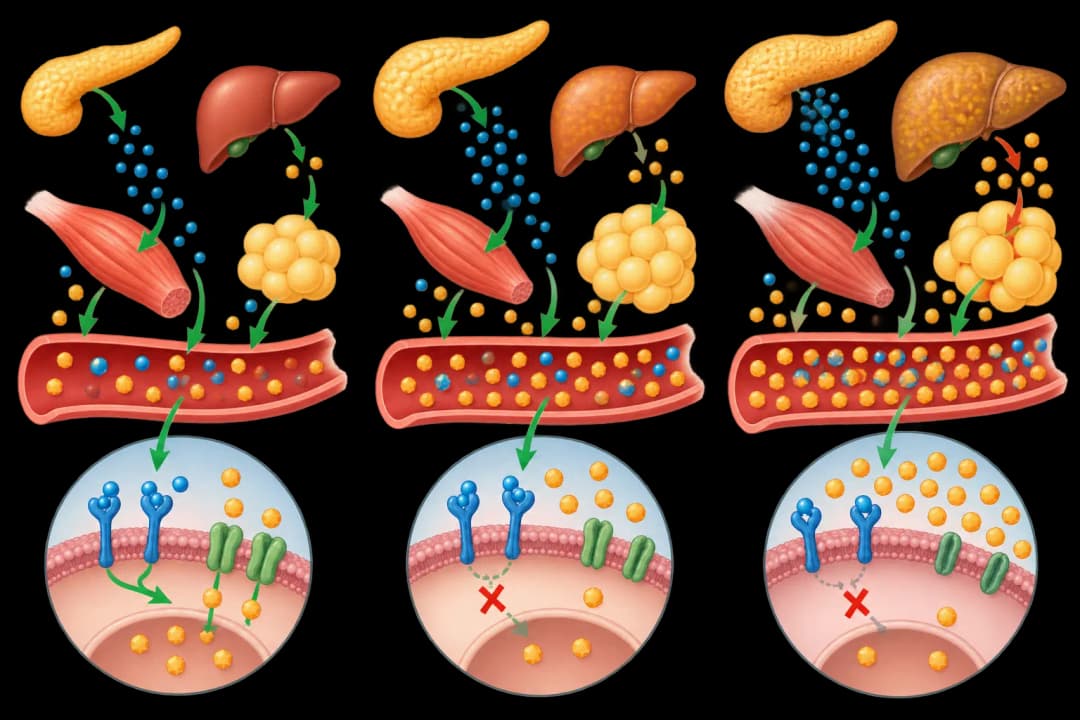
Lifestyle changes can improve how the body responds to insulin and can make glucose management more consistent. Helpful foundations include regular meals, water instead of sugary drinks, movement suited to your abilities, restorative sleep, and a plan for stress. The safest approach is gradual and personalised.
Herbal products and supplements are not automatically harmless. They may change glucose, blood pressure, bleeding, or how medicines are absorbed, and product strength can vary. Uncontrolled diabetes can affect nerves, circulation, kidneys, and skin, so “natural” should not mean avoiding medical checks.
Use lifestyle measures safely
Start with one practical change, such as adding a walk after a meal or replacing sweetened drinks with water. Build meals around vegetables, fibre-rich carbohydrates, and a suitable protein source, while keeping portions and timing realistic for your medicines.
Tell your clinician about every supplement, tea, powder, or remedy before using it. Continue prescribed treatment unless your care team changes it. If you are trying to lose weight or increase activity, agree on how to monitor glucose and recognise hypoglycaemia.
When to seek medical care
Get prompt advice for glucose readings that remain outside your agreed range, repeated low readings, or symptoms such as thirst, frequent urination, vomiting, or unusual weakness. Seek urgent help for confusion, fainting, deep or rapid breathing, severe dehydration, chest pressure, or sudden weakness and speech trouble.
Questions to ask
Ask which lifestyle goal is safest to start, how activity or fasting could affect your medicines, and whether a supplement has known interactions. Ask how to monitor progress and when to review your feet, eyes, kidneys, nerves, blood pressure, and cholesterol.
Find care
General Clinics & Polyclinics in Abu Dhabi
That answer is general. If you want it applied to your own case, these are licensed general clinics & polyclinics listed in Abu Dhabi.
27 Ar Ruwwad St - Shakhbout City - MSH4 - Abu Dhabi - United Arab Emirates
Accepts: Daman, Thiqa, Cigna, MetLife +20 more
Al Ruwais, Al Dhafrah
Accepts: Daman, Thiqa, AXA, Cigna +16 more
Al Bahyah - Al Bahyah Old - Abu Dhabi - United Arab Emirates
Accepts: Daman, Thiqa, Cigna, Allianz Care +18 more
Abu Dhabi
Accepts: Daman, Thiqa, AXA, Cigna +27 more
Ordered by verification status and how complete each clinic's public record is, then alphabetically. This is a directory listing, not a ranking — Zavis does not rate or recommend providers.
A factual listing drawn from the DHA, DOH and MOHAP licence registers. It is not a referral, an endorsement, or advice that any of these providers is right for you.
Questions people ask
Can natural remedies replace diabetes medicine?
They should not replace prescribed treatment without clinical supervision. Stopping medicine can allow glucose to rise and delay recognition of problems.
Is exercise safe with type 2 diabetes?
Activity is helpful for many people, but the type, timing, and glucose checks should fit your medicines, feet, heart health, and abilities.
Related
Related reading
Keep reading
Medical disclaimer. This page is general health information, not medical advice, and it cannot diagnose you. Always consult a licensed healthcare provider about your own symptoms and treatment. In an emergency in the UAE, call 998 for an ambulance.