
How to monitor type 2 diabetes
Short answer
Monitoring type 2 diabetes combines agreed glucose checks with medicine review, symptom awareness, and regular checks of blood pressure, feet, eyes, and kidneys.
This answers one question. It is not a diagnosis and does not replace an assessment by a licensed doctor.
At a glance
- Track
- Glucose, medicines, meals, activity, illness, and symptoms
- Also review
- Feet, eyes, kidneys, blood pressure, and cholesterol
What monitoring covers
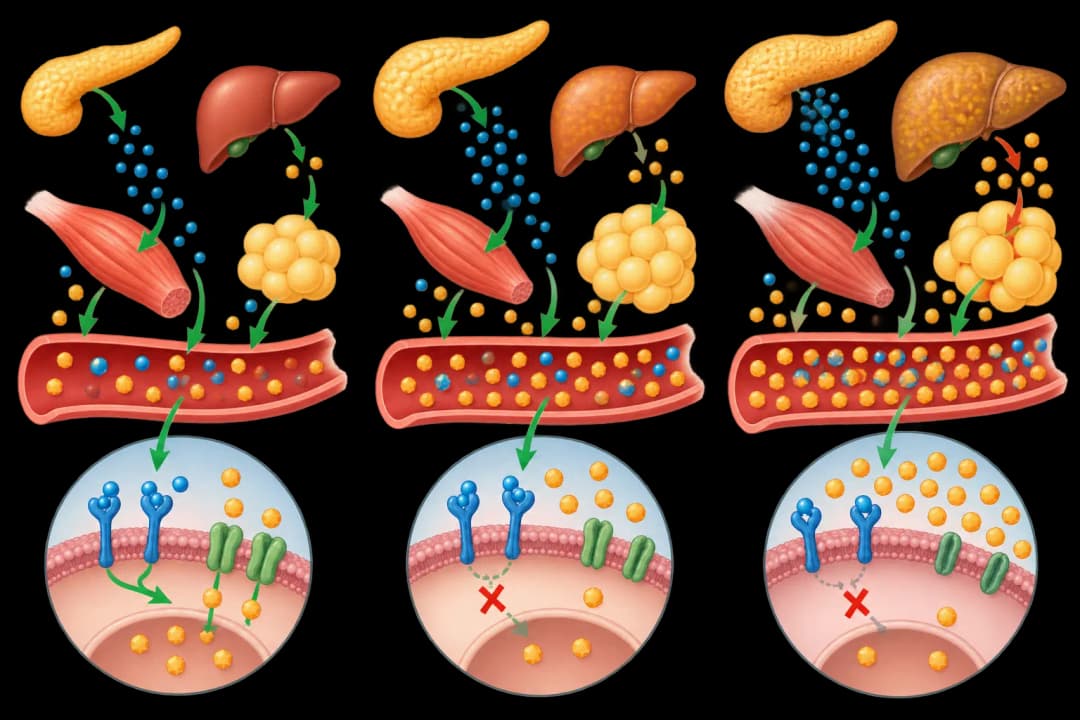
Monitoring shows how your treatment, meals, activity, stress, sleep, and illness affect glucose. Your clinician may ask for readings at particular times rather than constant testing. A single result is less useful than a pattern recorded alongside meals, medicines, symptoms, and activity.
Diabetes care also checks for changes that may be silent. Reviews can include blood pressure, cholesterol, kidney function, eye health, foot skin and circulation, and nerve sensation. These checks help identify concerns early, including peripheral neuropathy or chronic kidney disease.
Make your records useful
Use the meter or sensor method you were shown, wash and dry your hands before a finger-stick, and store results where you can share them. Keep a current medicine list and note missed doses, unusual meals, exercise, illness, and symptoms of low glucose.
Attend scheduled reviews and ask how often each check is needed. Do not change insulin or other diabetes treatment based on one reading unless your personal plan says how. Inspect your feet, wear well-fitting footwear, and report a break in the skin.
When to act quickly
Contact your care team about repeated readings outside your agreed range, frequent low readings, or symptoms that do not settle. Seek urgent help for confusion, fainting, severe vomiting, deep breathing, severe dehydration, chest pressure, or sudden weakness or speech difficulty.
Questions for your care team
Ask which readings matter most for you, when to test, and what action each result should prompt. Ask how medicines interact with exercise or illness, how to treat low glucose, and when your kidney, eye, foot, blood pressure, and cholesterol reviews are due.
Find care
General Clinics & Polyclinics in Abu Dhabi
That answer is general. If you want it applied to your own case, these are licensed general clinics & polyclinics listed in Abu Dhabi.
27 Ar Ruwwad St - Shakhbout City - MSH4 - Abu Dhabi - United Arab Emirates
Accepts: Daman, Thiqa, Cigna, MetLife +20 more
Al Ruwais, Al Dhafrah
Accepts: Daman, Thiqa, AXA, Cigna +16 more
Al Bahyah - Al Bahyah Old - Abu Dhabi - United Arab Emirates
Accepts: Daman, Thiqa, Cigna, Allianz Care +18 more
Abu Dhabi
Accepts: Daman, Thiqa, AXA, Cigna +27 more
Ordered by verification status and how complete each clinic's public record is, then alphabetically. This is a directory listing, not a ranking — Zavis does not rate or recommend providers.
A factual listing drawn from the DHA, DOH and MOHAP licence registers. It is not a referral, an endorsement, or advice that any of these providers is right for you.
Questions people ask
Do I need to check glucose every day?
The right schedule depends on your medicines, glucose pattern, and health. Follow the plan agreed with your clinician rather than choosing a schedule alone.
Why record symptoms with readings?
Symptoms and context help show whether a change relates to food, activity, illness, medicine timing, or another problem.
Related
Related reading
Keep reading
Medical disclaimer. This page is general health information, not medical advice, and it cannot diagnose you. Always consult a licensed healthcare provider about your own symptoms and treatment. In an emergency in the UAE, call 998 for an ambulance.