
What should you know about a type 2 diabetes diet plan to lose weight?
Short answer
A type 2 diabetes weight-loss plan should use sustainable portions, nourishing foods and regular monitoring, with medicine adjustments guided by your clinician.
This answers one question. It is not a diagnosis and does not replace an assessment by a licensed doctor.
At a glance
- Aim for
- A routine you can maintain with adequate nutrition
- Monitor
- Glucose, symptoms, medicines and foot health
Why the plan needs personalising
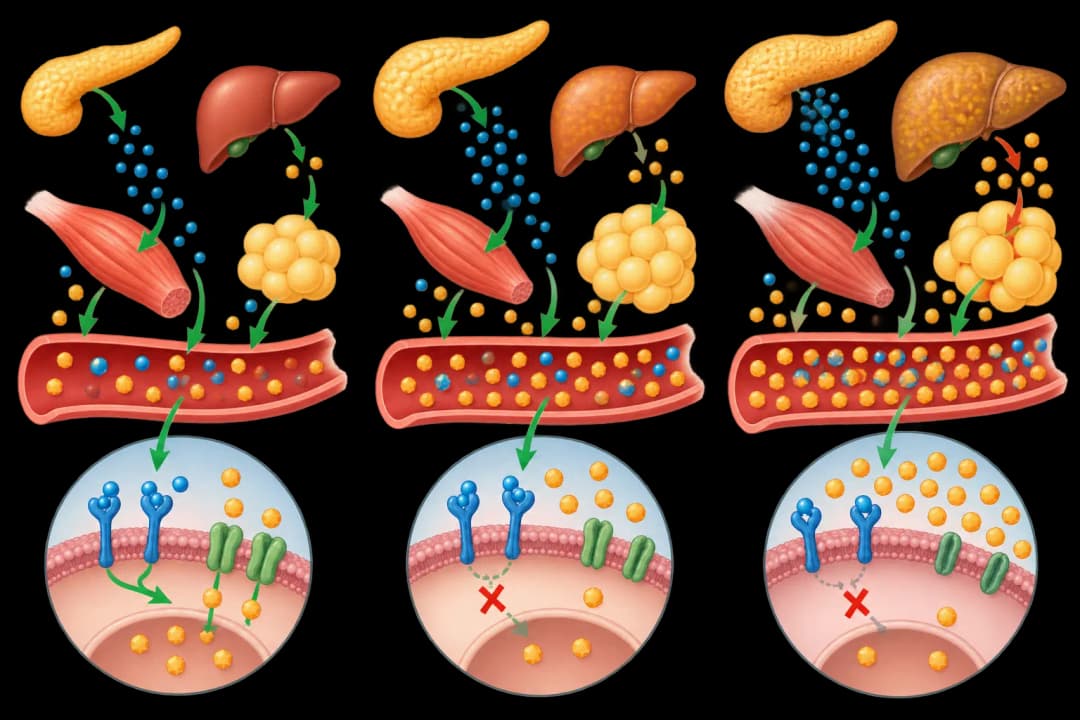
Reducing overall energy intake can support weight loss, but a rigid plan may be unsafe if diabetes medicines lower glucose. Your clinician may need to review treatment as eating and activity change. The right approach preserves protein, fibre, fluids and enjoyment while reducing portions of calorie-dense foods such as fried items, sweets and sugary drinks. Weight can also be affected by sleep, stress, mobility, hormones and other medicines. Obesity is a related condition, but body size alone does not describe your health or determine which plan will work.
A workable routine
Start with one repeatable change, such as replacing a sugary drink, serving vegetables first or using a smaller plate. Include protein and fibre at meals to support fullness, and keep convenient options available for busy days. Add walking, strength work or another activity that suits your fitness and feet, increasing gradually. Monitor glucose as instructed and record dizziness, sweating, shaking or unusual hunger. Do not skip meals or change tablets or insulin independently. If sensation is reduced, check your feet before and after activity; Peripheral Neuropathy can make injuries harder to notice. A dietitian can adapt the plan to local foods and family meals.
When to pause and get advice
Contact your diabetes team promptly for repeated low readings, unexplained weight loss, persistent vomiting or difficulty eating. Emergency help is needed for fainting, seizure, severe confusion, chest pain, breathing difficulty or sudden weakness or speech trouble. Seek assessment for a foot blister or wound that becomes red, hot, swollen or draining. If kidney disease is present, ask before making major changes to protein, fluids or supplements.
Questions to ask
Ask what pace of change is suitable for you, how often to check glucose, which medicines may need review, and what activity is safe. Discuss hunger, emotional eating, fasting, kidney health and how to recognise a low glucose episode.
Find care
General Clinics & Polyclinics in Abu Dhabi
That answer is general. If you want it applied to your own case, these are licensed general clinics & polyclinics listed in Abu Dhabi.
27 Ar Ruwwad St - Shakhbout City - MSH4 - Abu Dhabi - United Arab Emirates
Accepts: Daman, Thiqa, Cigna, MetLife +20 more
Al Ruwais, Al Dhafrah
Accepts: Daman, Thiqa, AXA, Cigna +16 more
Al Bahyah - Al Bahyah Old - Abu Dhabi - United Arab Emirates
Accepts: Daman, Thiqa, Cigna, Allianz Care +18 more
Abu Dhabi
Accepts: Daman, Thiqa, AXA, Cigna +27 more
Ordered by verification status and how complete each clinic's public record is, then alphabetically. This is a directory listing, not a ranking — Zavis does not rate or recommend providers.
A factual listing drawn from the DHA, DOH and MOHAP licence registers. It is not a referral, an endorsement, or advice that any of these providers is right for you.
Questions people ask
Should I stop eating meals to lose weight?
No. Skipping meals can cause low glucose with some treatments and may make eating patterns harder to sustain.
Can exercise change my diabetes treatment needs?
It can affect glucose patterns, so discuss monitoring and possible medicine changes before increasing activity substantially.
Related
Related reading
Keep reading
Medical disclaimer. This page is general health information, not medical advice, and it cannot diagnose you. Always consult a licensed healthcare provider about your own symptoms and treatment. In an emergency in the UAE, call 998 for an ambulance.