
What should you know about type 2 diabetes and heart disease?
Short answer
Type 2 diabetes can damage blood vessels and increase the chance of heart disease, so glucose, blood pressure, cholesterol and other risk factors need regular review.
This answers one question. It is not a diagnosis and does not replace an assessment by a licensed doctor.
At a glance
- Main concern
- Blood-vessel and heart health
- Regular reviews
- Glucose, blood pressure, cholesterol and kidney function
- Emergency signs
- Chest symptoms or sudden stroke symptoms
How the conditions are connected
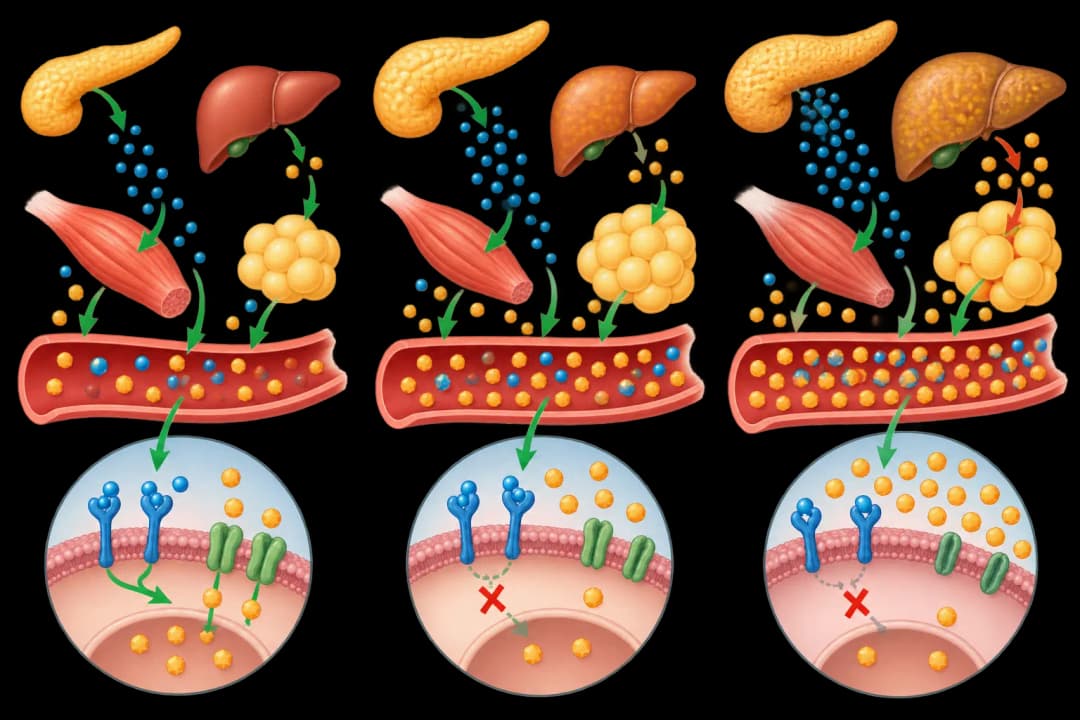
Type 2 diabetes affects the way the body uses glucose. Over time, glucose levels that remain above the agreed target can contribute to changes in the lining of blood vessels. Diabetes may also occur alongside high blood pressure, altered cholesterol levels, excess weight or kidney problems; together, these factors can place additional strain on the heart and circulation.
Heart disease can involve reduced blood flow to the heart muscle, heart failure or other cardiovascular problems. The connection does not mean that every person with type 2 diabetes will develop heart disease. It does mean that prevention and regular checks are part of diabetes care. Diabetes can also affect circulation in the legs, known as peripheral arterial disease, and may increase the risk of stroke.
Ways to protect your heart
Keep appointments for diabetes reviews so your care team can check glucose control, blood pressure, cholesterol, kidney function and cardiovascular risk. Take prescribed medicines as directed, and discuss side effects or missed doses before changing them.
Choose regular movement that fits your health and abilities, build meals around vegetables, fibre-rich foods and appropriate portions, and avoid smoking. If you have excess weight, a clinician can help set a realistic plan; obesity and prediabetes are related health concerns that may also need attention. Check your feet and skin as advised, because reduced sensation or circulation can make injuries harder to notice.
When to seek urgent care
Call emergency services for chest pressure, squeezing or pain that lasts or returns, especially with breathlessness, sweating, nausea, faintness or pain spreading to the arm, back, neck or jaw. Sudden weakness or numbness on one side, facial drooping, trouble speaking, confusion, sudden vision change or a severe unexplained headache may indicate a stroke and also needs emergency help.
Arrange prompt medical advice for new breathlessness, swelling of the ankles, unusual tiredness, palpitations, or a marked drop in exercise tolerance. Seek help for symptoms of very low glucose, such as shaking, sweating, confusion or difficulty staying awake; severe hypoglycaemia can require urgent treatment.
Questions to take to your appointment
Ask which glucose, blood pressure and cholesterol targets apply to you, how often they should be checked, and whether your current medicines also support cardiovascular protection. You can also ask how to exercise safely, what symptoms should trigger an urgent call, and whether kidney, foot or circulation checks are due.
Find care
General Clinics & Polyclinics in Abu Dhabi
That answer is general. If you want it applied to your own case, these are licensed general clinics & polyclinics listed in Abu Dhabi.
27 Ar Ruwwad St - Shakhbout City - MSH4 - Abu Dhabi - United Arab Emirates
Accepts: Daman, Thiqa, Cigna, MetLife +20 more
Al Ruwais, Al Dhafrah
Accepts: Daman, Thiqa, AXA, Cigna +16 more
Al Bahyah - Al Bahyah Old - Abu Dhabi - United Arab Emirates
Accepts: Daman, Thiqa, Cigna, Allianz Care +18 more
Abu Dhabi
Accepts: Daman, Thiqa, AXA, Cigna +27 more
Ordered by verification status and how complete each clinic's public record is, then alphabetically. This is a directory listing, not a ranking — Zavis does not rate or recommend providers.
A factual listing drawn from the DHA, DOH and MOHAP licence registers. It is not a referral, an endorsement, or advice that any of these providers is right for you.
Questions people ask
Does having type 2 diabetes mean I have heart disease?
No. Type 2 diabetes can increase cardiovascular risk, but it does not by itself diagnose heart disease. Regular reviews help identify and manage changeable risk factors.
Can I exercise with type 2 diabetes?
Many people can exercise safely, but the right activity depends on medicines, glucose patterns, fitness and complications. Ask your clinician how to start and when to check glucose.
What symptoms could suggest a heart problem?
Chest pressure or pain, breathlessness, faintness, unusual fatigue, palpitations or new ankle swelling deserve medical assessment; severe or sudden symptoms need emergency help.
Related
Related reading
Keep reading
Medical disclaimer. This page is general health information, not medical advice, and it cannot diagnose you. Always consult a licensed healthcare provider about your own symptoms and treatment. In an emergency in the UAE, call 998 for an ambulance.