
Type 2 diabetes and dementia
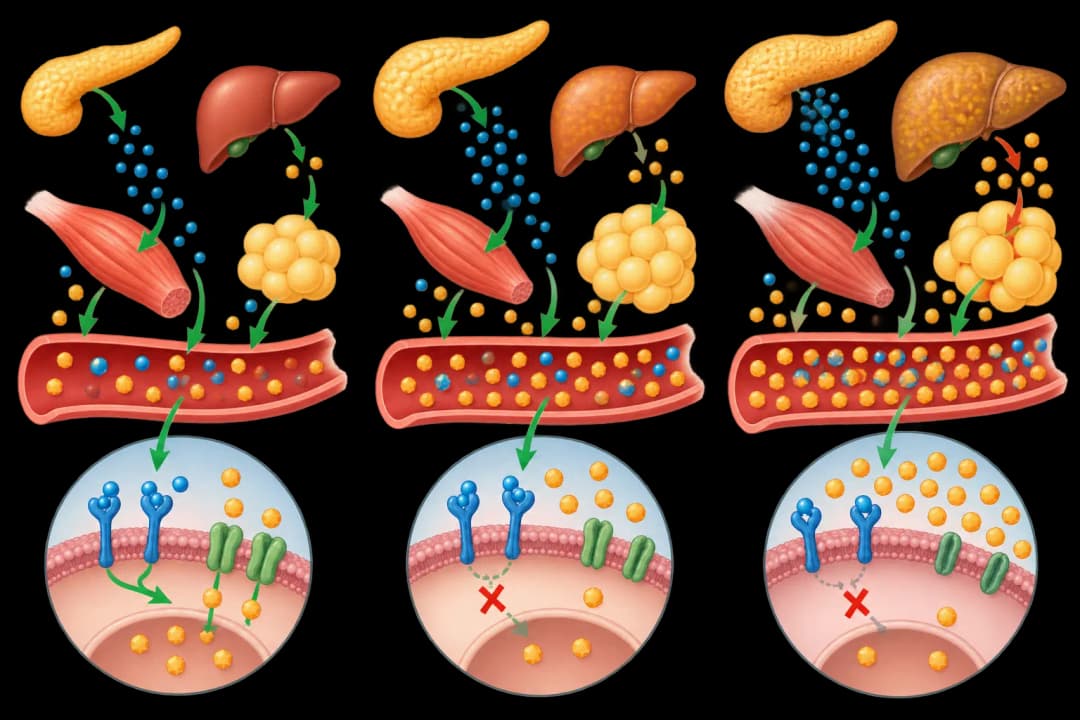
Short answer
Type 2 diabetes and dementia can complicate medicines and self-care, so glucose treatment may need regular review.
This answers one question. It is not a diagnosis and does not replace an assessment by a licensed doctor.
At a glance
- Key concern
- Memory changes can disrupt medicines and meals
- Support
- A trusted person can help with agreed routines
- Urgent symptom
- Sudden confusion or loss of consciousness
Why combined care matters
Memory, attention or planning changes may lead to missed medicines, repeated doses, forgotten meals or difficulty recognising low glucose. Low glucose itself can cause confusion, drowsiness or unusual behaviour, so a new change should not automatically be attributed to dementia.
Diabetes care should match the person's ability to manage it safely. A clinician may simplify routines, involve a trusted supporter and consider whether treatment targets or devices need adjustment. The person's preferences and independence should remain part of these decisions.
Practical steps at home
Use a consistent medicine routine, a clearly organised supply and an agreed record of doses. A trusted person can support meals, glucose checks and appointments, with consent. Keep fast-acting treatment available if the diabetes team has advised it for low glucose, and teach supporters which symptoms require help.
Reduce hazards by keeping medicines, sharps and testing equipment secure. Check feet, hydration and food intake as part of the daily routine. Tell the clinician about falls, appetite changes, repeated low readings or difficulty using a device.
When to seek care
Seek urgent help for sudden confusion, inability to wake, a seizure, fainting, severe weakness or suspected severe low glucose. Sudden facial drooping, one-sided weakness or speech difficulty may indicate a stroke. Arrange prompt review for repeated missed medicines, unexplained behaviour change, falls or inability to eat and drink safely.
Questions for your doctor
Ask how to distinguish low glucose from cognitive symptoms. Who should help with medicines and testing? Can the regimen or device be simplified? What written plan should family or carers follow during illness, poor appetite or a missed dose?
Find care
General Clinics & Polyclinics in Abu Dhabi
That answer is general. If you want it applied to your own case, these are licensed general clinics & polyclinics listed in Abu Dhabi.
27 Ar Ruwwad St - Shakhbout City - MSH4 - Abu Dhabi - United Arab Emirates
Accepts: Daman, Thiqa, Cigna, MetLife +20 more
Al Ruwais, Al Dhafrah
Accepts: Daman, Thiqa, AXA, Cigna +16 more
Al Bahyah - Al Bahyah Old - Abu Dhabi - United Arab Emirates
Accepts: Daman, Thiqa, Cigna, Allianz Care +18 more
Abu Dhabi
Accepts: Daman, Thiqa, AXA, Cigna +27 more
Ordered by verification status and how complete each clinic's public record is, then alphabetically. This is a directory listing, not a ranking — Zavis does not rate or recommend providers.
A factual listing drawn from the DHA, DOH and MOHAP licence registers. It is not a referral, an endorsement, or advice that any of these providers is right for you.
Questions people ask
Can low glucose look like dementia?
Yes. Low glucose may cause confusion, drowsiness or unusual behaviour and needs prompt treatment according to the person's diabetes plan.
Should a family member manage all diabetes care?
Not automatically. Support should match the person's abilities, consent and safety needs, with the care team helping define responsibilities.
Related
Related reading
Keep reading
Medical disclaimer. This page is general health information, not medical advice, and it cannot diagnose you. Always consult a licensed healthcare provider about your own symptoms and treatment. In an emergency in the UAE, call 998 for an ambulance.