
What should you know about treatment of avascular necrosis in sickle cell disease?
Short answer
Treatment of avascular necrosis in sickle cell disease aims to relieve pain, protect the affected joint, and preserve movement.
This answers one question. It is not a diagnosis and does not replace an assessment by a licensed doctor.
At a glance
- Treatment goals
- Pain relief, joint protection, and mobility
- Care team
- Haematology, orthopaedics, and rehabilitation may work together
What the condition involves
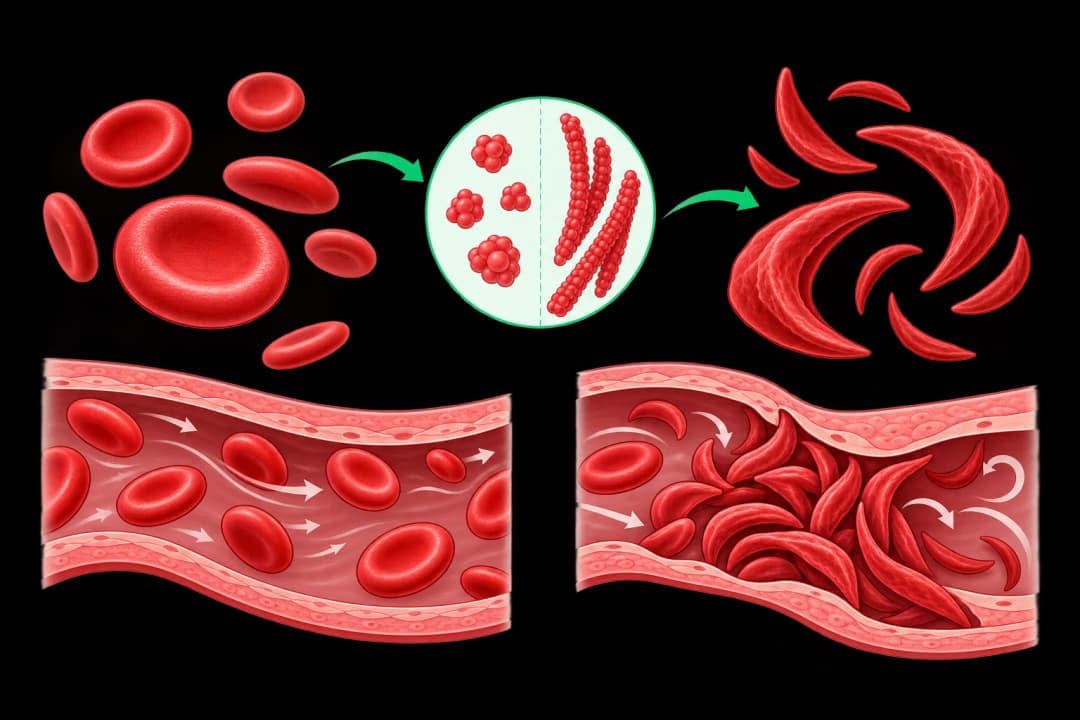
Avascular necrosis develops when reduced blood flow damages bone tissue, often around a weight-bearing joint such as the hip. Sickle cell disease can contribute to this circulation problem. Joint pain, stiffness, reduced range of motion, or a change in walking pattern may prompt assessment, but symptoms can begin gradually.
A clinician may combine an examination with imaging and blood tests, then coordinate care between haematology, orthopaedics, and physiotherapy. Early assessment helps show whether the joint can be protected with non-surgical care or whether a procedure needs discussion.
Care and treatment choices
Treatment may include an individual pain plan, activity modification, walking support, and physiotherapy to maintain safe movement. Avoiding high-impact loading can reduce stress on a vulnerable joint, but prolonged inactivity may cause weakness, so ask for a tailored programme.
The sickle cell disease plan remains part of joint care. Your team may review hydration, pain episodes, medicines, and bone or joint imaging. Depending on the stage and joint involved, procedures that preserve the bone or joint replacement may be considered. Do not start or stop pain medicine without checking how it fits your other treatments.
When to get help
Seek urgent care for sudden severe joint pain, inability to bear weight, fever with a painful joint, new weakness, chest symptoms, or pain that does not respond to your prescribed plan. These symptoms can signal a complication requiring prompt assessment.
Arrange review if pain is recurring, walking becomes harder, stiffness limits dressing or bathing, or fatigue and pale skin accompany other sickle cell symptoms. Bring information about pain timing, triggers, and medicines to the appointment.
Questions for your doctor
Which joint is affected and what stage is it at? What activity is safe for me? Would physiotherapy, a procedure, or joint replacement be appropriate? How should this plan fit with my sickle cell and pain medicines?
Find care
General Clinics & Polyclinics in Abu Dhabi
That answer is general. If you want it applied to your own case, these are licensed general clinics & polyclinics listed in Abu Dhabi.
27 Ar Ruwwad St - Shakhbout City - MSH4 - Abu Dhabi - United Arab Emirates
Accepts: Daman, Thiqa, Cigna, MetLife +20 more
Al Ruwais, Al Dhafrah
Accepts: Daman, Thiqa, AXA, Cigna +16 more
Al Bahyah - Al Bahyah Old - Abu Dhabi - United Arab Emirates
Accepts: Daman, Thiqa, Cigna, Allianz Care +18 more
Abu Dhabi
Accepts: Daman, Thiqa, AXA, Cigna +27 more
Ordered by verification status and how complete each clinic's public record is, then alphabetically. This is a directory listing, not a ranking — Zavis does not rate or recommend providers.
A factual listing drawn from the DHA, DOH and MOHAP licence registers. It is not a referral, an endorsement, or advice that any of these providers is right for you.
Questions people ask
Does avascular necrosis always require surgery?
No. Treatment depends on the joint, the extent of bone damage, symptoms, and response to non-surgical care.
Can I exercise with avascular necrosis?
Movement may help preserve strength, but high-impact activity can stress the joint. A physiotherapist can tailor safer exercises.
Related
Related reading
Keep reading
Medical disclaimer. This page is general health information, not medical advice, and it cannot diagnose you. Always consult a licensed healthcare provider about your own symptoms and treatment. In an emergency in the UAE, call 998 for an ambulance.