
Stool softener for constipation in pregnancy
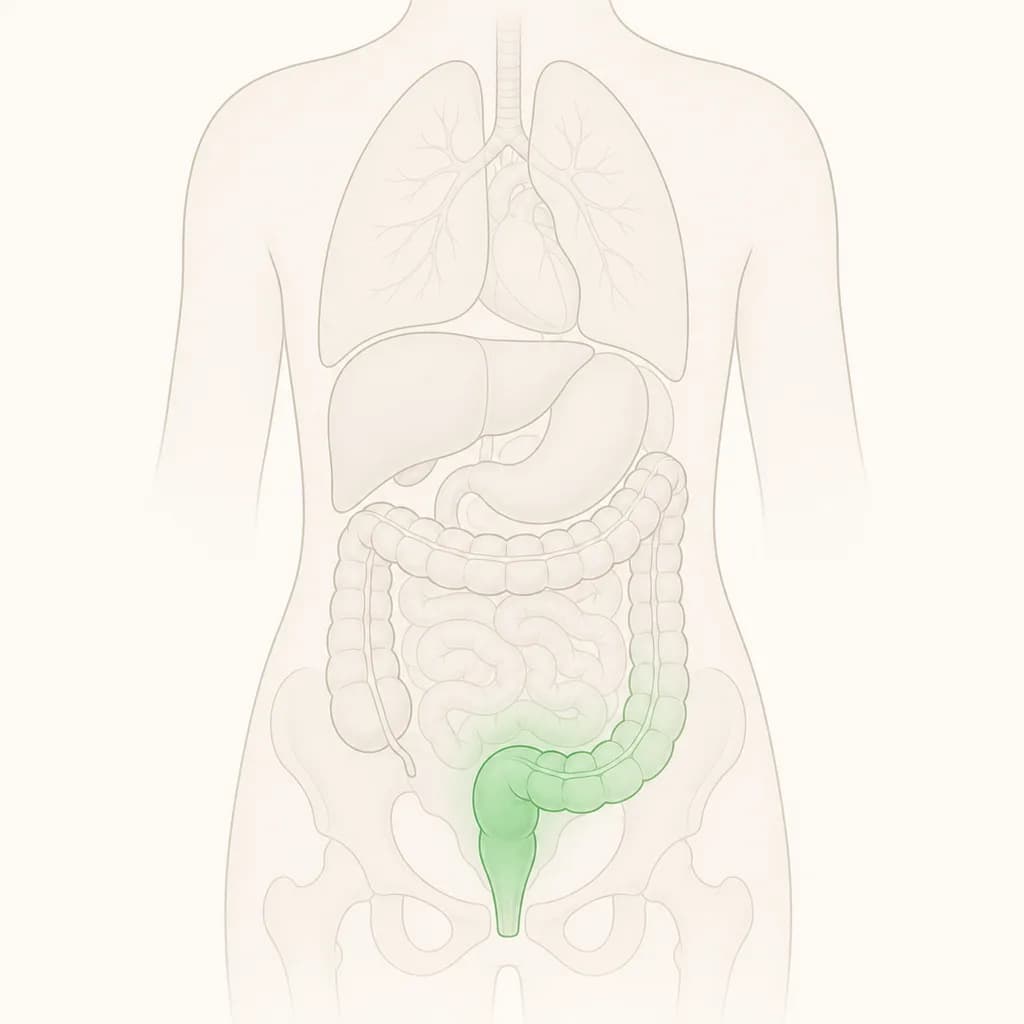
Short answer
A stool softener may be considered for constipation in pregnancy, but check the product and dose with your maternity clinician or pharmacist before using it.
This answers one question. It is not a diagnosis and does not replace an assessment by a licensed doctor.
At a glance
- Before medicine
- Check the product and dose with a maternity clinician or pharmacist.
- Helpful habits
- Regular fluids, gradual fibre, and gentle movement may support bowel function.
Why constipation happens
Pregnancy hormones can slow movement through the bowel. A growing uterus, reduced activity, changes in diet, and iron supplements may add to the problem. Constipation can mean hard or dry stools, straining, or passing stool less often than is normal for you. It does not mean that a stool softener is automatically needed.
A stool softener draws water into stool so it is easier to pass; it is different from a stimulant laxative. The right choice depends on your symptoms, pregnancy stage, medicines, and health history. Constipation can also relate to dehydration, hypothyroidism, or irritable bowel syndrome.
Practical steps
Ask your maternity clinician or pharmacist to check any over-the-counter product before taking it. Drink regularly if you have not been told to restrict fluids, add fibre gradually through foods, and take gentle daily movement as your pregnancy allows. Do not strain for long periods, and do not change prescribed iron without discussing alternatives or timing. Nutrition counselling can help if food changes are difficult.
When to contact a clinician
Seek medical advice if constipation does not improve, keeps returning, or begins after a medicine change. Contact your maternity team promptly for severe or worsening abdominal pain, repeated vomiting, a swollen abdomen, inability to pass gas, blood in the stool, or signs of dehydration such as dizziness and very dark urine. These symptoms need assessment rather than self-treatment.
Questions to ask
Is a stool softener suitable with my pregnancy and current medicines? Could my iron supplement be contributing? How much fibre and fluid are appropriate for me, and what symptoms should prompt same-day advice?
Find care
General Clinics & Polyclinics in Abu Dhabi
That answer is general. If you want it applied to your own case, these are licensed general clinics & polyclinics listed in Abu Dhabi.
27 Ar Ruwwad St - Shakhbout City - MSH4 - Abu Dhabi - United Arab Emirates
Accepts: Daman, Thiqa, Cigna, MetLife +20 more
Al Ruwais, Al Dhafrah
Accepts: Daman, Thiqa, AXA, Cigna +16 more
Al Bahyah - Al Bahyah Old - Abu Dhabi - United Arab Emirates
Accepts: Daman, Thiqa, Cigna, Allianz Care +18 more
Abu Dhabi
Accepts: Daman, Thiqa, AXA, Cigna +27 more
Ordered by verification status and how complete each clinic's public record is, then alphabetically. This is a directory listing, not a ranking — Zavis does not rate or recommend providers.
A factual listing drawn from the DHA, DOH and MOHAP licence registers. It is not a referral, an endorsement, or advice that any of these providers is right for you.
Questions people ask
Can I use any stool softener from a shop?
No. Products differ, and pregnancy, medicines, and health conditions affect which option is appropriate.
Can iron tablets cause constipation?
They can contribute for some people; discuss the type, timing, or alternatives with your maternity clinician before making changes.
Related
Related reading
Keep reading
Medical disclaimer. This page is general health information, not medical advice, and it cannot diagnose you. Always consult a licensed healthcare provider about your own symptoms and treatment. In an emergency in the UAE, call 998 for an ambulance.