
What should you know about stinky cradle cap?
Short answer
Stinky cradle cap can result from oily scale and trapped moisture, but a strong or worsening smell, oozing, swelling, or tenderness should be assessed by a healthcare professional.
This answers one question. It is not a diagnosis and does not replace an assessment by a licensed doctor.
At a glance
- Also known as
- Infantile seborrheic dermatitis
- Avoid
- Picking, scraping, fragranced products and unapproved medicated treatments
- Get advice for
- Strong odour, drainage, spreading redness, swelling, warmth or tenderness
What the smell may mean
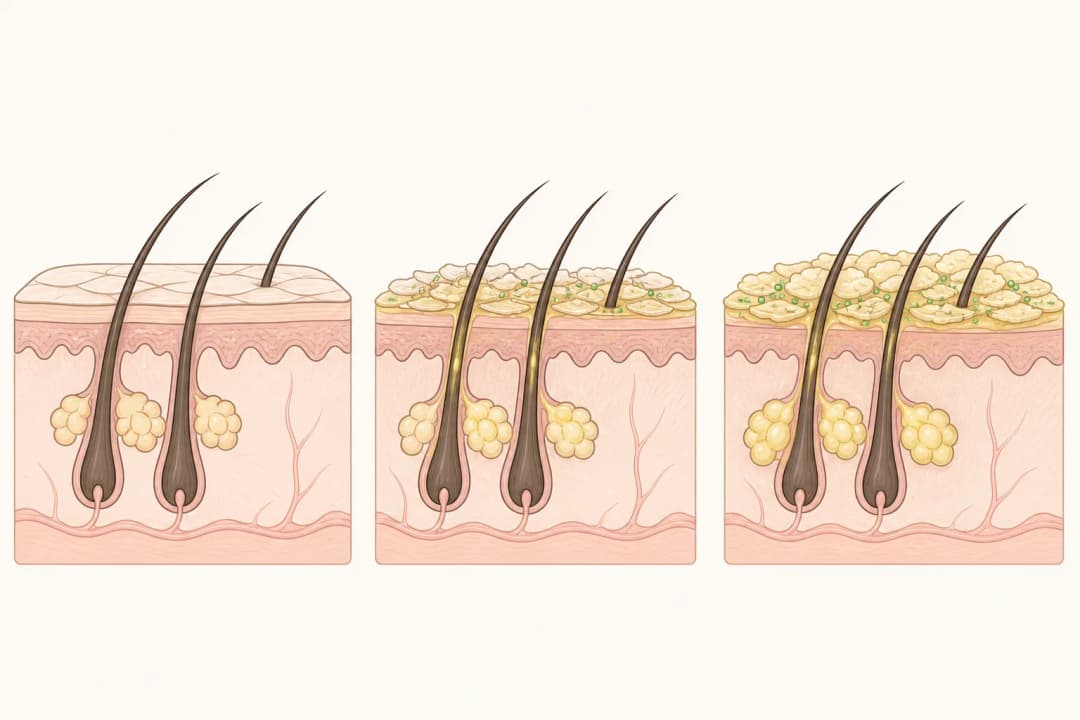
Cradle cap, also called infantile seborrheic dermatitis, often creates greasy or dry flakes on the scalp. Oil, shed skin and sweat can collect beneath thicker scale and produce a mild odour. The smell alone cannot identify the cause. If the skin is broken from scratching, or remains damp beneath scale, bacteria or yeast may contribute to irritation. Look at the scalp as well as noticing the odour: redness spreading beyond the flaky areas, yellow fluid, crusting, bleeding, warmth, or discomfort deserves medical advice. Cradle cap is not caused by poor hygiene, and vigorous washing can make the scalp more irritated.
What you can do
Wash the scalp gently with a mild baby shampoo, rinse thoroughly, and pat it dry. A soft brush can loosen scale only when it lifts easily; do not pick, scrape, or pull attached flakes. Keep hats, bedding and brushes clean, and avoid sharing personal items. Do not put essential oils, fragranced products, adult dandruff shampoo, or medicated cream on an infant's scalp unless a clinician recommends it. A healthcare professional may suggest an emollient to soften scale or a topical antifungal treatment when the appearance and examination support that approach. Use any product exactly as directed, especially around the eyes and on broken skin.
When to seek care
Arrange a prompt clinical review if the odour is strong, appears suddenly, or persists after gentle cleansing, particularly when there is ooze, pus-like drainage, thick crust, increasing redness, swelling, warmth, tenderness, or marked itching. Seek urgent medical help if your baby seems unusually unwell, is difficult to wake, or has a fever. Contact a clinician if the rash spreads, affects the face or body, or does not improve with basic care. Keep the scalp dry and avoid covering it tightly while you arrange advice.
Questions for your doctor
You could ask: Does the scalp look like uncomplicated cradle cap or an infection? Which cleanser or scale-softening product is suitable for my baby's age? Should I use an emollient, and how should it be removed? Would topical antifungal treatment help, and where should it not be applied? What changes should prompt an urgent call?
Find care
General Clinics & Polyclinics in Abu Dhabi
That answer is general. If you want it applied to your own case, these are licensed general clinics & polyclinics listed in Abu Dhabi.
27 Ar Ruwwad St - Shakhbout City - MSH4 - Abu Dhabi - United Arab Emirates
Accepts: Daman, Thiqa, Cigna, MetLife +20 more
Al Ruwais, Al Dhafrah
Accepts: Daman, Thiqa, AXA, Cigna +16 more
Al Bahyah - Al Bahyah Old - Abu Dhabi - United Arab Emirates
Accepts: Daman, Thiqa, Cigna, Allianz Care +18 more
Abu Dhabi
Accepts: Daman, Thiqa, AXA, Cigna +27 more
Ordered by verification status and how complete each clinic's public record is, then alphabetically. This is a directory listing, not a ranking — Zavis does not rate or recommend providers.
A factual listing drawn from the DHA, DOH and MOHAP licence registers. It is not a referral, an endorsement, or advice that any of these providers is right for you.
Questions people ask
Does a smell always mean cradle cap is infected?
No. Oil, scale and moisture can create an odour without infection. Drainage, spreading redness, warmth, swelling or tenderness makes a clinical assessment more important.
Can I remove the flakes to stop the smell?
Clean gently and soften scale only as advised. Brush away flakes that lift easily, but do not scrape or pull attached scale because this can damage the skin and increase irritation.
Related
Related reading
Keep reading
Medical disclaimer. This page is general health information, not medical advice, and it cannot diagnose you. Always consult a licensed healthcare provider about your own symptoms and treatment. In an emergency in the UAE, call 998 for an ambulance.