
What should you know about sickle cell disease infant treatment?
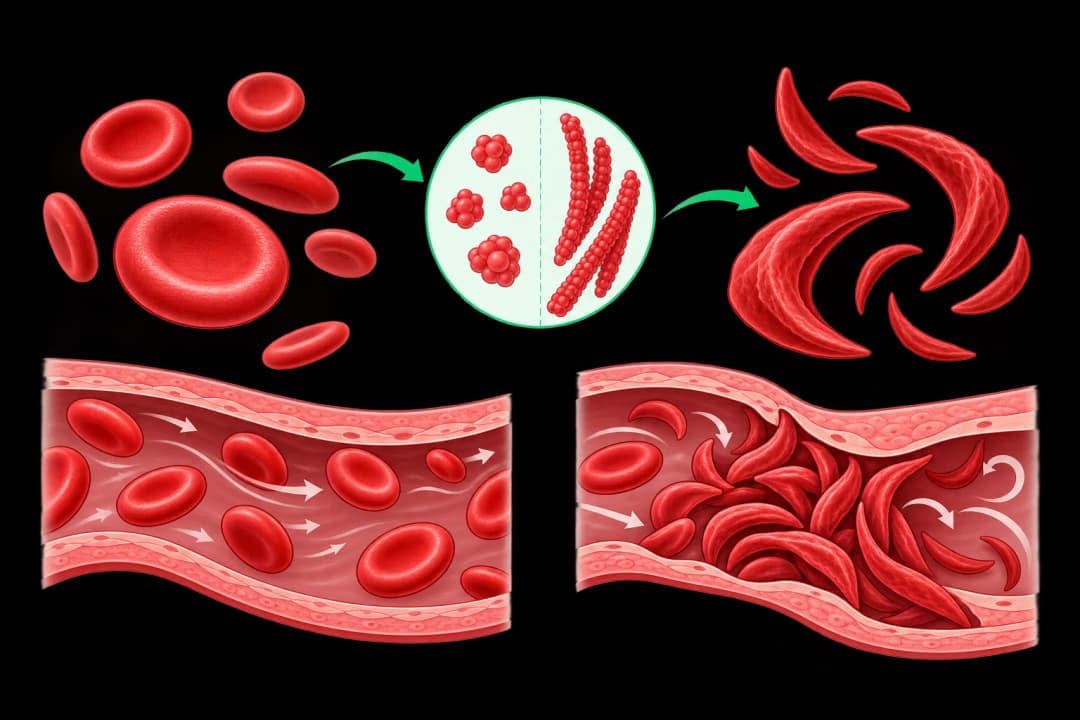
Short answer
Infant treatment for sickle cell disease starts with confirming the haemoglobin pattern, preventing complications, and arranging regular specialist follow-up.
This answers one question. It is not a diagnosis and does not replace an assessment by a licensed doctor.
At a glance
- First priority
- Confirm the haemoglobin pattern
- Daily care
- Follow medicines, vaccines, and the written illness plan
- Urgent warning
- Fever or unusual sleepiness needs prompt assessment
What early care involves
An infant's screening result may need confirmation with a blood test and review by a paediatric or sickle cell team. Care commonly includes an individual plan for preventing infection, keeping scheduled immunisations, monitoring growth, and teaching caregivers how to recognise pain or illness. The team may prescribe medicines or supplements according to the child's age and results.
Babies may not show obvious symptoms early. Later concerns can include unusual tiredness, pale skin, swelling of the hands or feet, fever, or pain. These signs are not specific on their own, so the child's clinical assessment and haemoglobin pattern guide treatment.
Supporting your infant
Keep the specialist appointments and give medicines exactly as directed. Ask for a written fever plan, vaccination advice, and a clear route to urgent care. Tell every healthcare professional about the child's diagnosis, carry the treatment information when travelling, and ask how feeding, fluids, and pain relief should be managed during illness.
When an infant needs urgent help
Seek urgent medical assessment for fever, breathing difficulty, unusual sleepiness, poor feeding, repeated vomiting, a swollen hand or foot, sudden weakness, severe pain, or a child who is difficult to wake. Infants can become unwell quickly, so follow the treating team's emergency instructions rather than waiting for a routine review.
Questions for the care team
Ask whether the screening result has been confirmed, which medicines and vaccines are due, how to measure a fever, what to do during poor feeding, and which hospital or specialist service to contact day or night.
Find care
General Clinics & Polyclinics in Abu Dhabi
That answer is general. If you want it applied to your own case, these are licensed general clinics & polyclinics listed in Abu Dhabi.
27 Ar Ruwwad St - Shakhbout City - MSH4 - Abu Dhabi - United Arab Emirates
Accepts: Daman, Thiqa, Cigna, MetLife +20 more
Al Ruwais, Al Dhafrah
Accepts: Daman, Thiqa, AXA, Cigna +16 more
Al Bahyah - Al Bahyah Old - Abu Dhabi - United Arab Emirates
Accepts: Daman, Thiqa, Cigna, Allianz Care +18 more
Abu Dhabi
Accepts: Daman, Thiqa, AXA, Cigna +27 more
Ordered by verification status and how complete each clinic's public record is, then alphabetically. This is a directory listing, not a ranking — Zavis does not rate or recommend providers.
A factual listing drawn from the DHA, DOH and MOHAP licence registers. It is not a referral, an endorsement, or advice that any of these providers is right for you.
Questions people ask
Can an infant have sickle cell disease without symptoms?
Yes. Symptoms may not be obvious early, which is why screening confirmation and specialist follow-up are important.
What should caregivers do if the baby has a fever?
Use the written plan from the treating team and seek urgent medical assessment, telling staff about the child's sickle cell diagnosis or suspected diagnosis.
Related
Related reading
Keep reading
Medical disclaimer. This page is general health information, not medical advice, and it cannot diagnose you. Always consult a licensed healthcare provider about your own symptoms and treatment. In an emergency in the UAE, call 998 for an ambulance.