
What should you know about sickle cell disease association of america?
Short answer
A sickle cell disease association can offer education, community support, and advocacy, while diagnosis and treatment decisions must come from your healthcare team.
This answers one question. It is not a diagnosis and does not replace an assessment by a licensed doctor.
At a glance
- Associations may provide
- Education, peer support, and advocacy
- They do not replace
- Diagnosis, prescriptions, or emergency assessment
- Useful preparation
- A symptom, medicine, and question list
Support is different from medical care
People often look for an association when they want understandable information, connection with others living with sickle cell disease, or guidance about navigating local services. These organisations may also support awareness and patient voice. Their materials can help you prepare for an appointment, but they cannot confirm a diagnosis or tailor medicines to your symptoms.
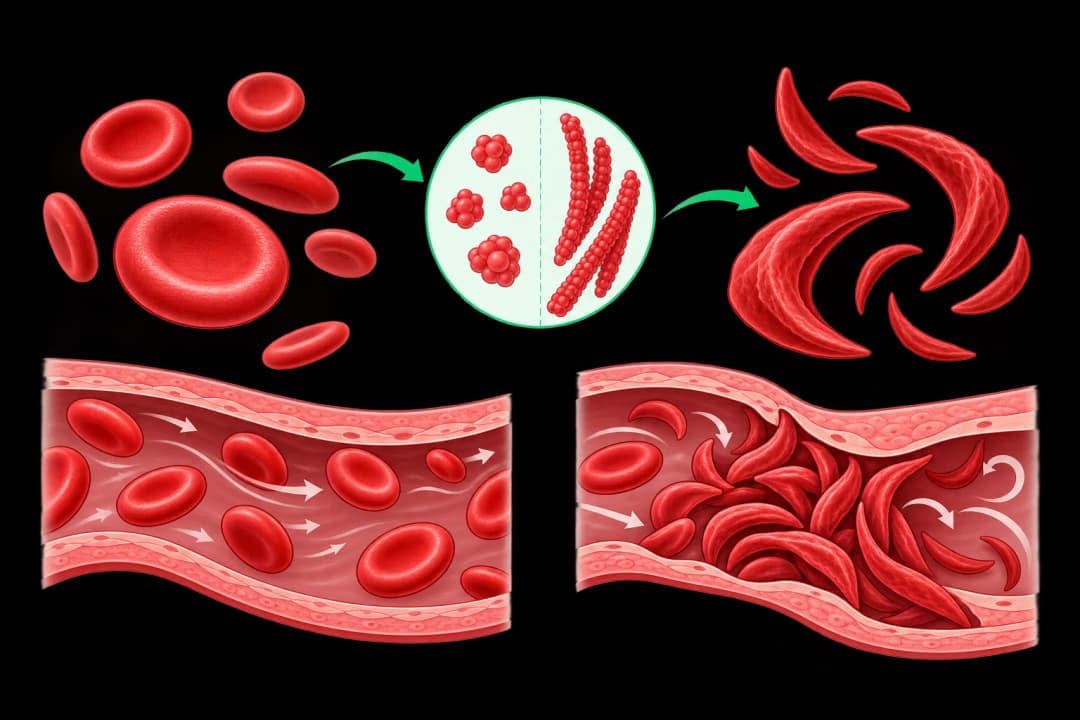
Sickle cell disease is an inherited haemoglobin condition that can cause anaemia, fatigue, joint pain, and pale skin. Symptoms vary, and similar complaints can have other causes. A blood test and clinical review are needed to establish what is happening.
How to use support safely
Choose information that explains its medical basis and tells you when to seek care. Bring questions from support materials to your doctor, especially about pain plans, infection prevention, reproductive choices, and follow-up. Premarital screening or family testing may help clarify inherited risk. Keep an updated list of medicines and allergies so every clinician can see your care needs.
Urgent symptoms still need urgent care
Do not wait for a support organisation to respond if you have severe pain, fever, chest pain, difficulty breathing, sudden weakness, confusion, or fainting. Contact emergency services or attend urgent care according to your local plan. A support group can complement clinical care, but it cannot replace prompt assessment of a possible complication.
Questions for your care team
Ask which organisation or educational resources are suitable for your diagnosis and location. Ask how to make an individual pain plan, which symptoms require emergency help, whether relatives should have a blood test, and whether premarital screening is appropriate for you and your partner.
Find care
General Clinics & Polyclinics in Abu Dhabi
That answer is general. If you want it applied to your own case, these are licensed general clinics & polyclinics listed in Abu Dhabi.
27 Ar Ruwwad St - Shakhbout City - MSH4 - Abu Dhabi - United Arab Emirates
Accepts: Daman, Thiqa, Cigna, MetLife +20 more
Al Ruwais, Al Dhafrah
Accepts: Daman, Thiqa, AXA, Cigna +16 more
Al Bahyah - Al Bahyah Old - Abu Dhabi - United Arab Emirates
Accepts: Daman, Thiqa, Cigna, Allianz Care +18 more
Abu Dhabi
Accepts: Daman, Thiqa, AXA, Cigna +27 more
Ordered by verification status and how complete each clinic's public record is, then alphabetically. This is a directory listing, not a ranking — Zavis does not rate or recommend providers.
A factual listing drawn from the DHA, DOH and MOHAP licence registers. It is not a referral, an endorsement, or advice that any of these providers is right for you.
Questions people ask
Can an association diagnose sickle cell disease?
No. Diagnosis requires appropriate blood testing and assessment by a qualified healthcare professional.
Can peer support help with medical appointments?
It can help you prepare questions and understand lived experiences, while your clinician remains responsible for personalised medical advice.
Related
Related reading
Keep reading
Medical disclaimer. This page is general health information, not medical advice, and it cannot diagnose you. Always consult a licensed healthcare provider about your own symptoms and treatment. In an emergency in the UAE, call 998 for an ambulance.