
Recommended calcium and vitamin D intake for osteopenia
Short answer
For osteopenia, aim to meet your calcium needs through food and use vitamin D advice based on your health, diet, and blood level.
This answers one question. It is not a diagnosis and does not replace an assessment by a licensed doctor.
At a glance
- Main goal
- Meet nutrient needs without unnecessary supplementation
- Useful review
- Diet, medicines, kidney health, and vitamin D status
The short answer
For osteopenia, aim to meet your calcium needs through food and use vitamin D advice based on your health, diet, and blood level. Calcium supplies the mineral framework of bone, while vitamin D helps the body absorb calcium. The right plan depends on age, diet, kidney function, medicines, and whether testing has shown vitamin D deficiency.
Why both nutrients matter
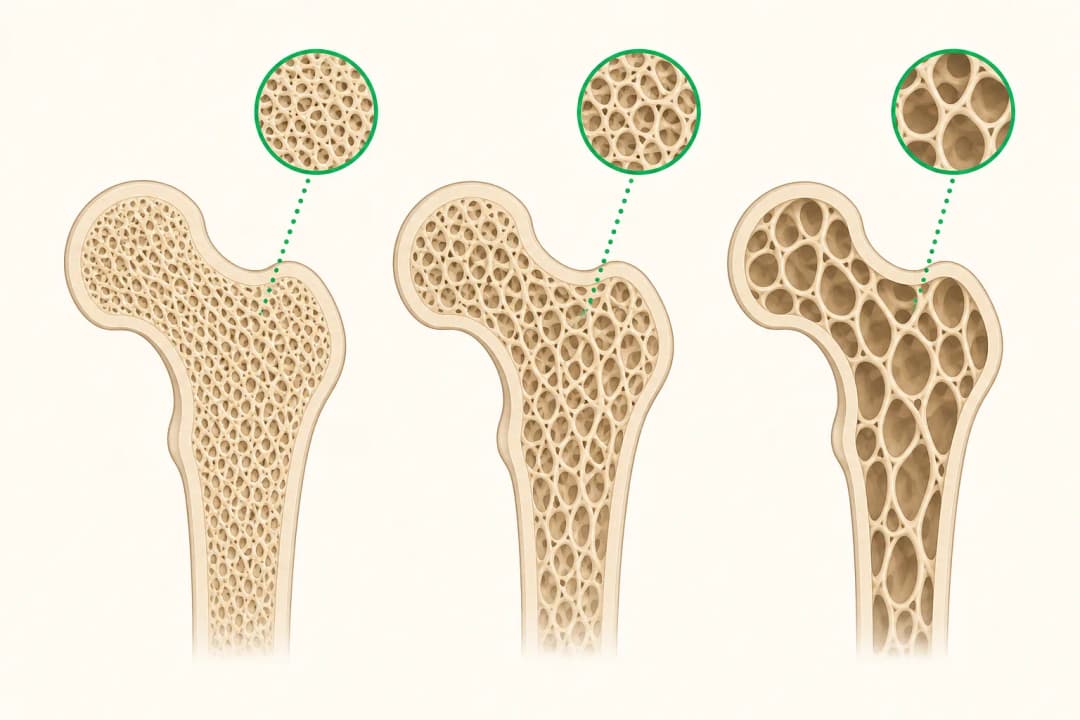
Osteopenia means bone density is lower than expected, but it does not automatically mean a fracture is present. Calcium-rich foods include dairy products, calcium-set tofu, and some fortified foods. Vitamin D may come from food, sunlight exposure, or a supplement recommended for you. Taking more than needed can cause problems, so a clinician should review the full plan.
Practical steps
Keep a record of calcium-containing meals and any supplements. Read labels so you do not add several products with overlapping ingredients. Include weight-bearing activity and resistance exercise suited to your ability; [Strength Training Rehabilitation] can help make movement safer and more consistent. If a blood test identifies low vitamin D, discuss [Vitamin D Supplementation] rather than choosing a high dose independently. [Calcium Supplementation] may be considered when food intake is not enough.
When to seek care
Arrange clinical advice if you have a new fracture after a minor fall, persistent bone or back pain, or difficulty walking. Seek prompt help for symptoms that could reflect excessive supplementation, such as repeated vomiting, marked weakness, confusion, or a major change in urination. Ask for review before supplements if you have kidney disease, kidney stones, or take medicines that affect calcium or vitamin D.
Questions for your doctor
Ask what calcium intake fits your diet, whether vitamin D testing is appropriate, and which supplement form and schedule are suitable. Ask how your medicines affect absorption and when bone-density follow-up is needed.
Find care
General Clinics & Polyclinics in Abu Dhabi
That answer is general. If you want it applied to your own case, these are licensed general clinics & polyclinics listed in Abu Dhabi.
27 Ar Ruwwad St - Shakhbout City - MSH4 - Abu Dhabi - United Arab Emirates
Accepts: Daman, Thiqa, Cigna, MetLife +20 more
Al Ruwais, Al Dhafrah
Accepts: Daman, Thiqa, AXA, Cigna +16 more
Al Bahyah - Al Bahyah Old - Abu Dhabi - United Arab Emirates
Accepts: Daman, Thiqa, Cigna, Allianz Care +18 more
Abu Dhabi
Accepts: Daman, Thiqa, AXA, Cigna +27 more
Ordered by verification status and how complete each clinic's public record is, then alphabetically. This is a directory listing, not a ranking — Zavis does not rate or recommend providers.
A factual listing drawn from the DHA, DOH and MOHAP licence registers. It is not a referral, an endorsement, or advice that any of these providers is right for you.
Questions people ask
Should everyone with osteopenia take calcium tablets?
No. Food may provide enough calcium, and supplements are best chosen after reviewing diet, health conditions, and medicines.
Does vitamin D replace calcium?
No. Vitamin D supports calcium absorption, but it does not provide the calcium mineral itself.
Related
Related reading
Keep reading
Medical disclaimer. This page is general health information, not medical advice, and it cannot diagnose you. Always consult a licensed healthcare provider about your own symptoms and treatment. In an emergency in the UAE, call 998 for an ambulance.