
What should you know about reason for foot swelling and pain?
Short answer
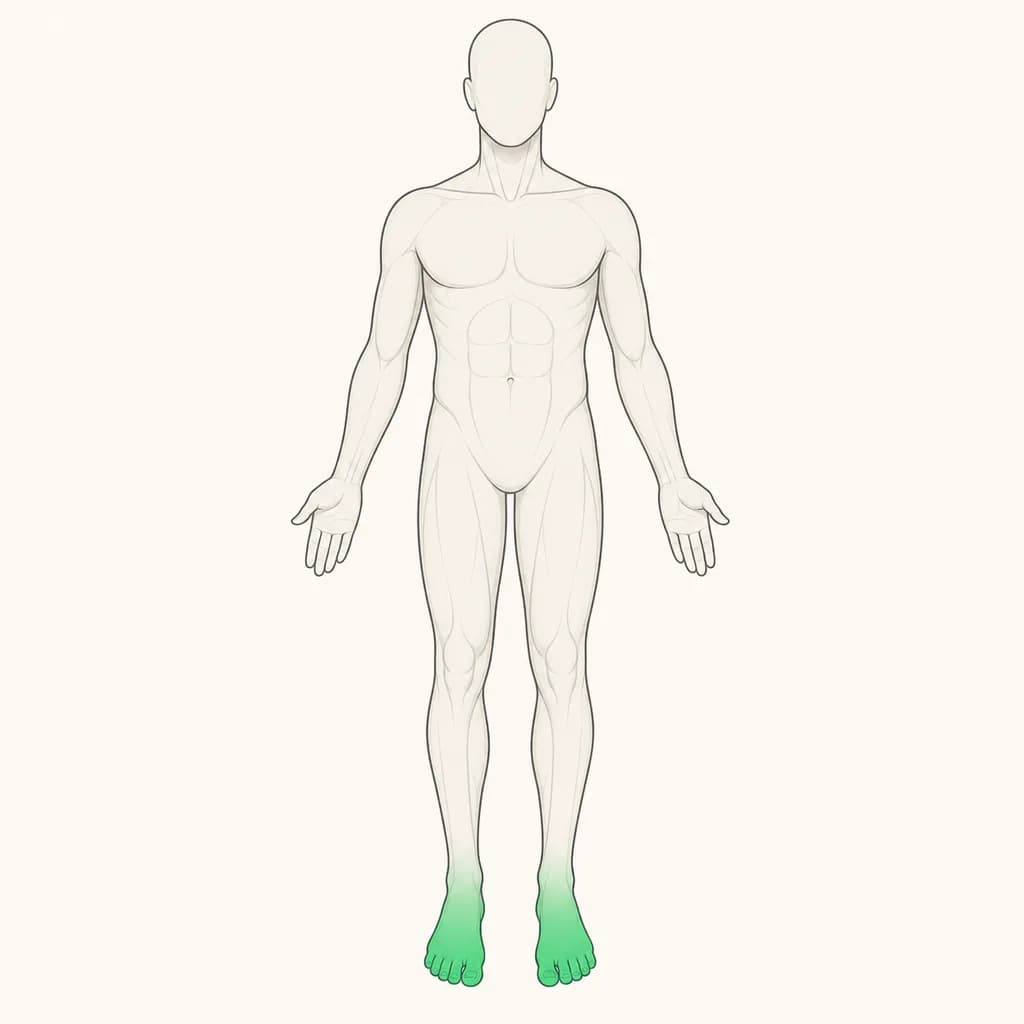
Foot swelling and pain can come from overuse, an injury, joint or tendon irritation, or a change in foot shape; the timing, location, and severity help guide assessment.
This answers one question. It is not a diagnosis and does not replace an assessment by a licensed doctor.
At a glance
- Useful clues
- Onset, exact location, activity triggers, warmth, redness, and ability to bear weight
- First steps
- Relative rest, elevation, roomy supportive footwear, and comfortable cold therapy
- Assessment
- Persistent, recurrent, or walking-limiting symptoms deserve clinical review
What the pattern may mean
Swelling after a twist, impact, or sudden increase in activity may reflect a sprain, bruising, or a small bone injury. Pain that builds during walking or running can occur when the foot is repeatedly overloaded. A stress fracture may cause focused tenderness that worsens with activity, even without one memorable accident.
The shape and movement of the foot also matter. Bunions, flat feet, hammer toe, and hallux rigidus can change how pressure travels through the foot. Pain under the heel may fit plantar fasciitis, while warmth, redness, fever, or rapidly increasing swelling can point to inflammation or infection. These patterns are clues, not a diagnosis; a clinician may examine your gait, joints, skin, circulation, and sensation.
What you can do now
Reduce activities that clearly increase the pain and choose supportive, roomy footwear. When resting, elevate the foot, and use a wrapped cold pack for short periods if it is comfortable. Avoid tight straps and do not return quickly to running or jumping while swelling or tenderness remains. Gentle movement within a comfortable range can help prevent stiffness, but do not force a painful stretch or massage an area that may be fractured.
Arrange an assessment if symptoms do not start settling, keep returning, or make normal walking difficult. A clinician can decide whether you need imaging, activity modification, physiotherapy, or support such as custom orthotics.
When to seek care
Seek urgent medical care for severe pain after an injury, inability to bear weight, an obvious deformity, numbness, a cold or pale foot, or swelling that becomes sudden and marked. Prompt assessment is also needed when the foot is hot and red with fever, when a wound is draining, or when redness is spreading. If one-sided foot or leg swelling occurs with calf pain, chest pain, or breathlessness, seek emergency help.
Do not wait for home care to settle symptoms when you have diabetes, reduced sensation, poor circulation, or an immune system condition; a small wound or pressure area can need early attention.
Questions for your doctor or physiotherapist
Ask: What structure seems to be causing the pain and swelling? Do I need an X-ray or another scan? Which activities should I pause, and how should I restart them? Would footwear changes, exercises, or custom orthotics help? What changes would mean I should contact you sooner?
Find care
General Clinics & Polyclinics in Abu Dhabi
That answer is general. If you want it applied to your own case, these are licensed general clinics & polyclinics listed in Abu Dhabi.
27 Ar Ruwwad St - Shakhbout City - MSH4 - Abu Dhabi - United Arab Emirates
Accepts: Daman, Thiqa, Cigna, MetLife +20 more
Al Ruwais, Al Dhafrah
Accepts: Daman, Thiqa, AXA, Cigna +16 more
Al Bahyah - Al Bahyah Old - Abu Dhabi - United Arab Emirates
Accepts: Daman, Thiqa, Cigna, Allianz Care +18 more
Abu Dhabi
Accepts: Daman, Thiqa, AXA, Cigna +27 more
Ordered by verification status and how complete each clinic's public record is, then alphabetically. This is a directory listing, not a ranking — Zavis does not rate or recommend providers.
A factual listing drawn from the DHA, DOH and MOHAP licence registers. It is not a referral, an endorsement, or advice that any of these providers is right for you.
Questions people ask
Can foot swelling and pain be caused by footwear?
Yes. Tight or unsupportive footwear can increase pressure over the toes, arch, heel, or sides of the foot. Changing to a roomy supportive shoe may reduce irritation, but ongoing swelling still needs assessment.
Should I keep walking when my foot is swollen?
Short, easy movement may be reasonable if it does not increase pain, but avoid activities that worsen swelling or cause limping. Inability to walk normally, focused bone tenderness, or worsening symptoms calls for medical review.
Related
Related reading
Keep reading
Medical disclaimer. This page is general health information, not medical advice, and it cannot diagnose you. Always consult a licensed healthcare provider about your own symptoms and treatment. In an emergency in the UAE, call 998 for an ambulance.