
Pregnancy-safe constipation remedies
Short answer
Pregnancy-safe constipation remedies start with fluids, fibre, gentle movement, and regular toilet time, with medicines considered by a clinician.
This answers one question. It is not a diagnosis and does not replace an assessment by a licensed doctor.
At a glance
- First steps
- Fluids, gradual fibre, gentle movement, and a regular toilet routine may help.
- Medicine check
- Ask before starting a laxative or changing prescribed iron treatment.
Why constipation can change in pregnancy
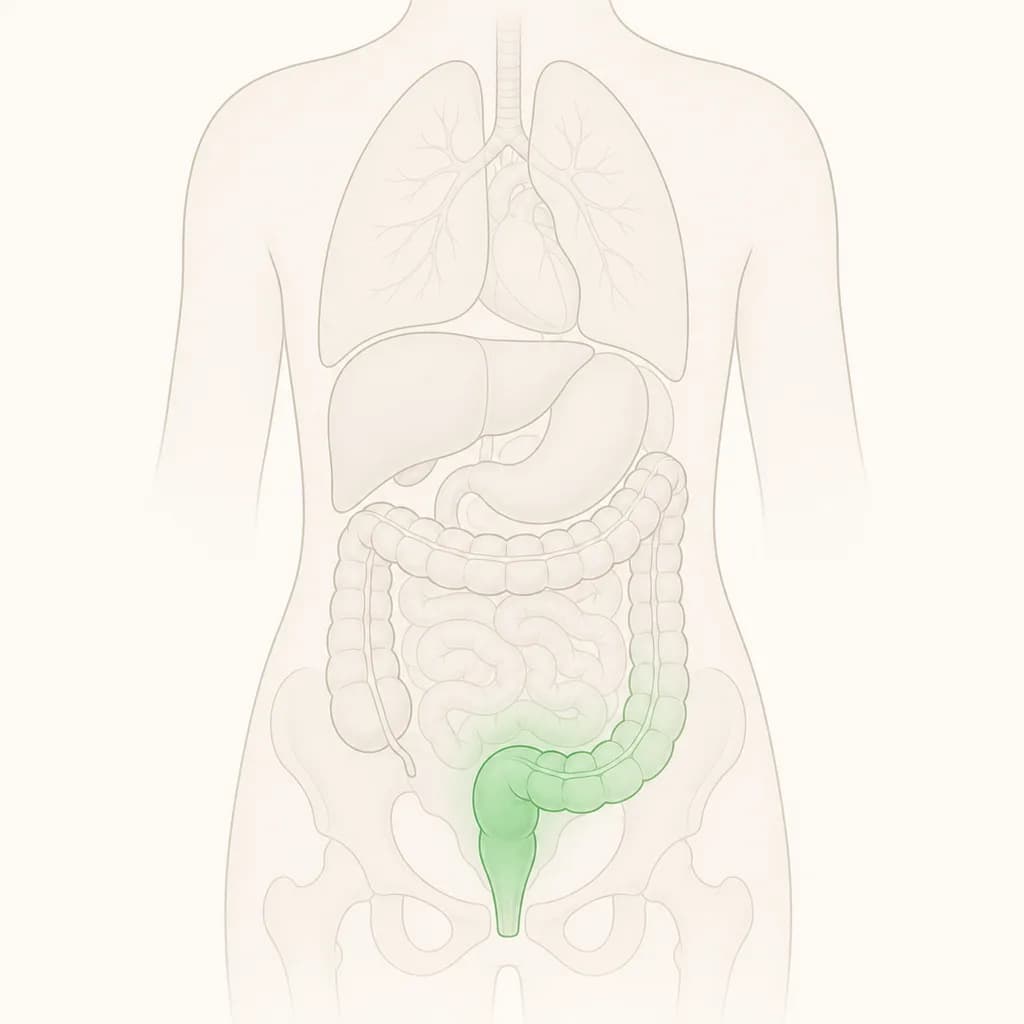
Hormonal changes can slow bowel movement, and a growing uterus may alter how the bowel works. Iron supplements, reduced activity, changes in diet, and not drinking enough can add to the problem. Constipation may mean hard or lumpy stools, straining, or a feeling that the bowel has not emptied.
Constipation is common, but persistent or unusual symptoms deserve assessment. Dehydration and Hypothyroidism can contribute, while alternating bowel habits and abdominal discomfort may occur with Irritable Bowel Syndrome.
Gentle measures to try
Drink fluids regularly, increase fibre gradually through vegetables, fruit, oats, beans, or wholegrain foods, and take gentle walks if your maternity team says activity is suitable. Respond to the urge to open your bowels and use a small footstool to support a comfortable position without forceful straining.
If iron tablets seem to worsen constipation, ask the prescriber whether the formulation or dose can be reviewed; do not stop prescribed treatment independently. A clinician or pharmacist can recommend a pregnancy-suitable laxative when diet and routine changes are not enough. Nutrition Counselling may help you increase fibre without worsening bloating.
When to get checked
Seek medical advice for constipation that does not improve, repeated vomiting, increasing abdominal swelling, or a major change in bowel habit. Get urgent help for severe or constant abdominal pain, a rigid abdomen, blood in the stool, or inability to pass stool and wind. These features need assessment rather than self-treatment.
Questions for your clinician
Ask whether your iron supplement, thyroid health, diet, or fluid intake could be contributing. Check which fibre products or laxatives are suitable, how long to try them, and which symptoms mean you should stop and seek review.
Find care
General Clinics & Polyclinics in Abu Dhabi
That answer is general. If you want it applied to your own case, these are licensed general clinics & polyclinics listed in Abu Dhabi.
27 Ar Ruwwad St - Shakhbout City - MSH4 - Abu Dhabi - United Arab Emirates
Accepts: Daman, Thiqa, Cigna, MetLife +20 more
Al Ruwais, Al Dhafrah
Accepts: Daman, Thiqa, AXA, Cigna +16 more
Al Bahyah - Al Bahyah Old - Abu Dhabi - United Arab Emirates
Accepts: Daman, Thiqa, Cigna, Allianz Care +18 more
Abu Dhabi
Accepts: Daman, Thiqa, AXA, Cigna +27 more
Ordered by verification status and how complete each clinic's public record is, then alphabetically. This is a directory listing, not a ranking — Zavis does not rate or recommend providers.
A factual listing drawn from the DHA, DOH and MOHAP licence registers. It is not a referral, an endorsement, or advice that any of these providers is right for you.
Questions people ask
Can I take a laxative while pregnant?
Some laxatives may be suitable, but the choice should be confirmed with a clinician or pharmacist who knows your pregnancy and health history.
When should constipation be urgent?
Severe constant pain, a rigid or swollen abdomen, blood in stool, or inability to pass stool and wind needs urgent assessment.
Related
Related reading
Keep reading
Medical disclaimer. This page is general health information, not medical advice, and it cannot diagnose you. Always consult a licensed healthcare provider about your own symptoms and treatment. In an emergency in the UAE, call 998 for an ambulance.