
What should you know about postpartum depression last?
Short answer
Postpartum depression can continue beyond the early post-birth period, but its duration varies and ongoing symptoms deserve professional assessment.
This answers one question. It is not a diagnosis and does not replace an assessment by a licensed doctor.
At a glance
- Duration
- There is no single timetable for recovery
- Review
- Persistent or returning symptoms warrant a new assessment
Why it may continue
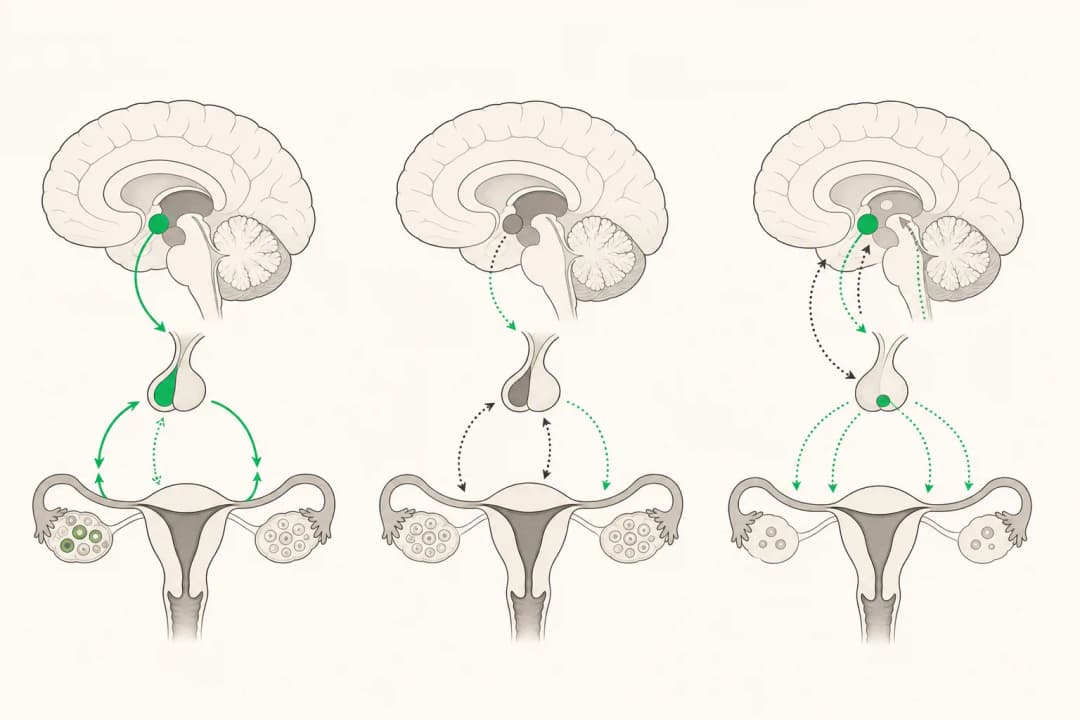
Depression after birth can be sustained by sleep disruption, physical recovery, feeding pressures, isolation, relationship strain, previous mental health difficulties, or changes in the demands of caring for a baby. Symptoms may improve and then return, or remain present in the background while life becomes harder to manage. Ongoing low mood after birth is not something you need to endure without help. The course is different for each person and cannot be predicted from one symptom.
What to do if symptoms are lingering
Contact a doctor, midwife, obstetric clinician, or mental health professional if symptoms have not eased or are affecting daily life. Explain what has changed since the birth, including sleep, appetite, concentration, bonding, anxiety, and any loss of sexual interest. Ask for a review if current support is not helping; care can be adjusted. Perinatal mental health support may include therapy, medicine, practical planning, and follow-up. Keep trusted people informed so they can share baby-care tasks.
When waiting is unsafe
Seek prompt care for persistent symptoms that make self-care or baby care difficult. Get emergency help now if you have thoughts of suicide or harming the baby, cannot keep either of you safe, or develop severe confusion, unusual beliefs, or voices or visions others do not experience. Tell someone nearby, avoid being alone, and contact local emergency services. A worsening pattern needs attention even if you have managed to cope until now.
Questions for your doctor
What might be keeping these symptoms going? How will we measure whether treatment is helping? Should my physical recovery, medicines, or sleep be reviewed? What follow-up plan should I have, and what should prompt urgent contact?
Find care
General Clinics & Polyclinics in Abu Dhabi
That answer is general. If you want it applied to your own case, these are licensed general clinics & polyclinics listed in Abu Dhabi.
27 Ar Ruwwad St - Shakhbout City - MSH4 - Abu Dhabi - United Arab Emirates
Accepts: Daman, Thiqa, Cigna, MetLife +20 more
Al Ruwais, Al Dhafrah
Accepts: Daman, Thiqa, AXA, Cigna +16 more
Al Bahyah - Al Bahyah Old - Abu Dhabi - United Arab Emirates
Accepts: Daman, Thiqa, Cigna, Allianz Care +18 more
Abu Dhabi
Accepts: Daman, Thiqa, AXA, Cigna +27 more
Ordered by verification status and how complete each clinic's public record is, then alphabetically. This is a directory listing, not a ranking — Zavis does not rate or recommend providers.
A factual listing drawn from the DHA, DOH and MOHAP licence registers. It is not a referral, an endorsement, or advice that any of these providers is right for you.
Questions people ask
Does lasting longer mean treatment will not work?
No. A longer course does not determine the care that may help; assessment can identify barriers and guide adjustments.
Should I seek help if symptoms are mild but not improving?
Yes. Early advice can clarify what is happening and prevent symptoms from placing greater strain on daily life.
Related
Related reading
Keep reading
Medical disclaimer. This page is general health information, not medical advice, and it cannot diagnose you. Always consult a licensed healthcare provider about your own symptoms and treatment. In an emergency in the UAE, call 998 for an ambulance.