
What should you know about polyhydramnios treatment at home?
Short answer
Polyhydramnios cannot be diagnosed or safely treated at home, but you can monitor symptoms, follow your maternity plan, and attend recommended checks.
This answers one question. It is not a diagnosis and does not replace an assessment by a licensed doctor.
At a glance
- Can home remedies treat it?
- No; home care supports monitoring and comfort only.
- Main follow-up
- Attend planned antenatal reviews and ultrasound checks.
What polyhydramnios means
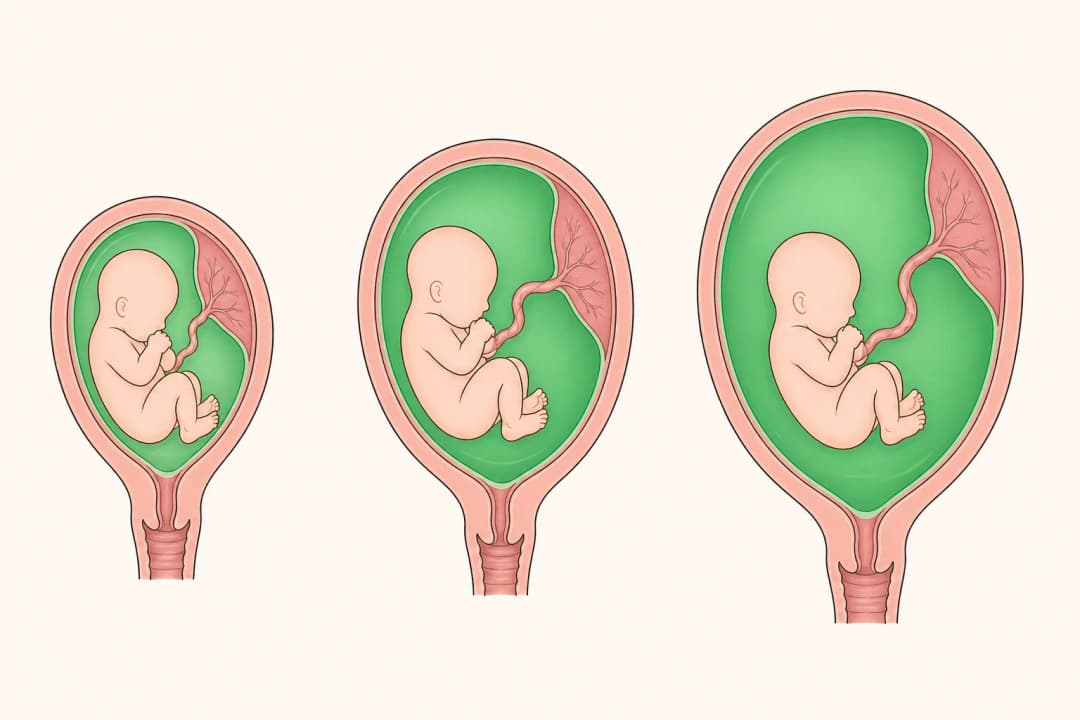
Polyhydramnios is a pregnancy finding involving excess amniotic fluid around the baby. It may be mild or more marked, and the reason is not always clear. Extra fluid can make the abdomen feel unusually tight and may affect breathing, movement, or comfort. Your clinician may use an ultrasound to measure fluid and check the baby's growth and wellbeing.
What you can do at home
Keep every antenatal appointment and use medicines only as your maternity team directs. Rest in a comfortable position, drink normally, and note new breathlessness, increasing abdominal pressure, pain, contractions, fluid leakage, or a change in the baby's usual movements. Do not try to reduce fluid by restricting drinks, taking unprescribed medicines, or using home remedies. A recommended [Growth Scan](/treatments/pregnancy-and-birth-care/growth-scan/) can help your team assess growth and fluid.
When to seek urgent care
Contact your maternity unit promptly if your waters may have broken, you have regular painful contractions, vaginal bleeding, severe or worsening abdominal pain, significant breathing difficulty, or reduced or changed fetal movements. Seek emergency help for severe breathlessness, fainting, or heavy bleeding. These symptoms need assessment regardless of whether the polyhydramnios was described as mild.
Questions for your doctor
Ask what your fluid measurement means, whether another scan is planned, what symptoms should trigger a call, and how you should respond if fetal movements change. Ask whether any underlying issue needs checking and where to go outside clinic hours.
Find care
General Clinics & Polyclinics in Abu Dhabi
That answer is general. If you want it applied to your own case, these are licensed general clinics & polyclinics listed in Abu Dhabi.
27 Ar Ruwwad St - Shakhbout City - MSH4 - Abu Dhabi - United Arab Emirates
Accepts: Daman, Thiqa, Cigna, MetLife +20 more
Al Ruwais, Al Dhafrah
Accepts: Daman, Thiqa, AXA, Cigna +16 more
Al Bahyah - Al Bahyah Old - Abu Dhabi - United Arab Emirates
Accepts: Daman, Thiqa, Cigna, Allianz Care +18 more
Abu Dhabi
Accepts: Daman, Thiqa, AXA, Cigna +27 more
Ordered by verification status and how complete each clinic's public record is, then alphabetically. This is a directory listing, not a ranking — Zavis does not rate or recommend providers.
A factual listing drawn from the DHA, DOH and MOHAP licence registers. It is not a referral, an endorsement, or advice that any of these providers is right for you.
Questions people ask
Should you drink less water?
No. Do not restrict fluids unless your maternity clinician gives you a specific instruction.
Can polyhydramnios affect birth planning?
It can influence monitoring and planning, so discuss your individual findings and delivery advice with your maternity team.
Related
Related reading
Keep reading
Medical disclaimer. This page is general health information, not medical advice, and it cannot diagnose you. Always consult a licensed healthcare provider about your own symptoms and treatment. In an emergency in the UAE, call 998 for an ambulance.