
What should you know about polyhydramnios AFI?
Short answer
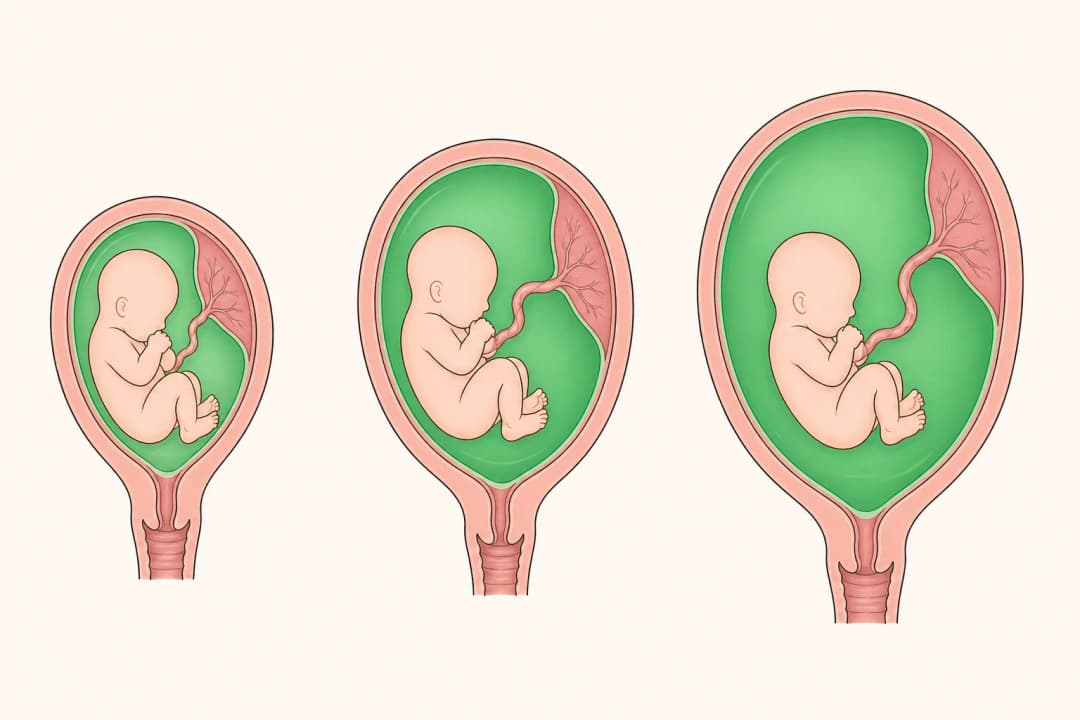
Polyhydramnios means an ultrasound has found more amniotic fluid than expected for the stage of pregnancy, often measured using the amniotic fluid index.
This answers one question. It is not a diagnosis and does not replace an assessment by a licensed doctor.
At a glance
- Term
- Polyhydramnios is excess amniotic fluid.
- Assessment
- Ultrasound measurements are interpreted with the whole pregnancy picture.
- Follow-up
- Monitoring may include repeat scans and checks for contributing conditions.
What the AFI finding means
The amniotic fluid index, or AFI, is an ultrasound estimate based on fluid pockets around the baby. A higher measurement supports a diagnosis of polyhydramnios, but the result is interpreted alongside gestational age, the baby's growth, movement, anatomy and your symptoms. The fluid level can change, and an isolated finding does not by itself identify a cause.
Possible explanations include normal variation, diabetes in pregnancy, more than one baby, or a problem affecting how the baby swallows or passes urine. Sometimes no clear reason is found. Extra fluid can make the abdomen feel tight and can make breathing or eating uncomfortable.
What to do after an elevated AFI
Keep the follow-up appointment your maternity team recommends. They may repeat the ultrasound, assess growth and movement, review blood-glucose testing, and examine the baby's anatomy. A growth scan can help track these findings over time.
Record new breathlessness, rapid abdominal enlargement, leaking fluid, contractions or reduced movement. Do not change prescribed medicines or restrict fluids on your own; management depends on the measurement, symptoms and underlying cause.
When to seek urgent care
Contact your maternity unit promptly for vaginal bleeding, a gush or ongoing trickle of fluid, regular painful tightenings, severe breathlessness, sudden swelling, severe headache, vision changes, or noticeably reduced fetal movement. These symptoms need assessment regardless of how mild or severe the AFI was.
Questions for your doctor
Ask what the AFI or deepest-pocket measurement was, whether it is mild or more marked, whether the baby's growth and anatomy look reassuring, and when the next scan or check should happen. Ask which symptoms should take you directly to the maternity unit.
Find care
General Clinics & Polyclinics in Abu Dhabi
That answer is general. If you want it applied to your own case, these are licensed general clinics & polyclinics listed in Abu Dhabi.
27 Ar Ruwwad St - Shakhbout City - MSH4 - Abu Dhabi - United Arab Emirates
Accepts: Daman, Thiqa, Cigna, MetLife +20 more
Al Ruwais, Al Dhafrah
Accepts: Daman, Thiqa, AXA, Cigna +16 more
Al Bahyah - Al Bahyah Old - Abu Dhabi - United Arab Emirates
Accepts: Daman, Thiqa, Cigna, Allianz Care +18 more
Abu Dhabi
Accepts: Daman, Thiqa, AXA, Cigna +27 more
Ordered by verification status and how complete each clinic's public record is, then alphabetically. This is a directory listing, not a ranking — Zavis does not rate or recommend providers.
A factual listing drawn from the DHA, DOH and MOHAP licence registers. It is not a referral, an endorsement, or advice that any of these providers is right for you.
Questions people ask
What does AFI stand for?
AFI stands for amniotic fluid index, an ultrasound estimate of fluid around the baby.
Does a high AFI always mean a serious problem?
No. The significance varies, and some pregnancies have no identifiable cause; your maternity team uses follow-up findings to guide care.
Related
Related reading
Keep reading
Medical disclaimer. This page is general health information, not medical advice, and it cannot diagnose you. Always consult a licensed healthcare provider about your own symptoms and treatment. In an emergency in the UAE, call 998 for an ambulance.