
What a normal pelvic MRI may mean in males
Short answer
A normal pelvic MRI in a male means the scan did not show an obvious structural abnormality in the tissues it assessed, but it does not explain every symptom or rule out every condition.
This answers one question. It is not a diagnosis and does not replace an assessment by a licensed doctor.
At a glance
- What it assesses
- Detailed images of selected pelvic organs, bones and soft tissues
- What normal means
- No obvious abnormality was seen in the areas assessed
- What it cannot do
- Explain every symptom or exclude every possible cause
What a normal result can mean
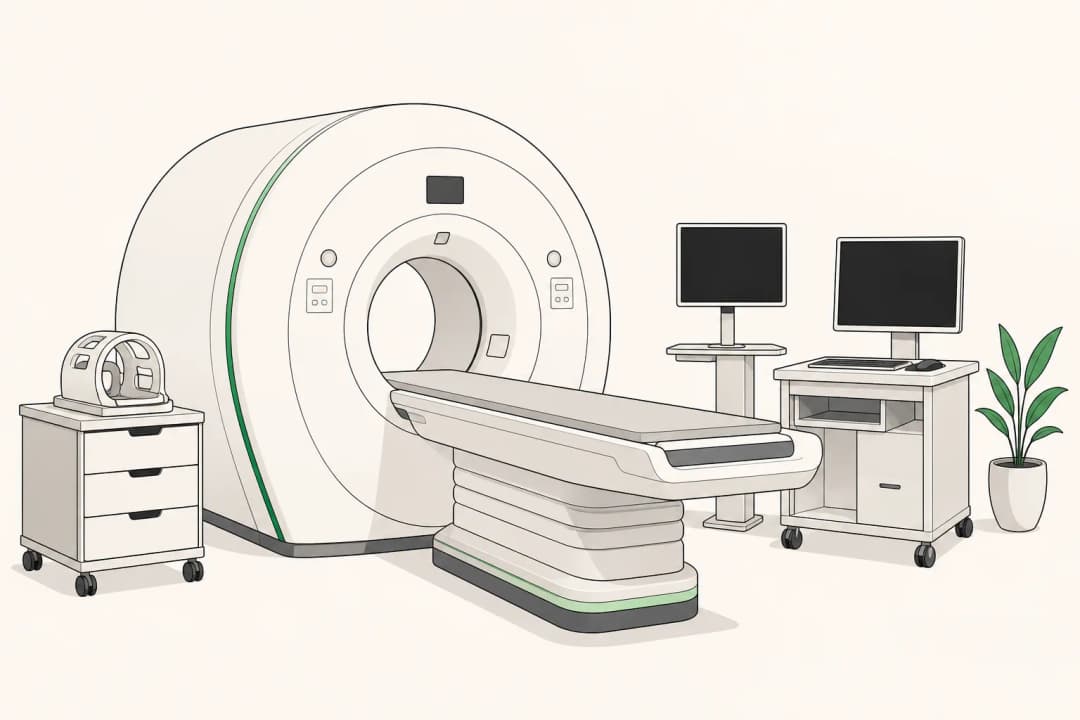
Pelvic MRI uses magnetic fields to create detailed images of structures such as the bladder, prostate, rectum, pelvic bones, muscles and nearby soft tissues. The exact area reviewed depends on the reason for the scan and the radiologist’s protocol. A report may describe these structures as having normal size, shape, signal or appearance, with no mass, collection, suspicious lymph nodes or other finding that needs attention on the images.
A clear scan is reassuring about visible structural problems, but MRI has limits. Some causes of pelvic pain, urinary symptoms, bowel changes, sexual symptoms or altered sensation may be functional, microscopic, intermittent or outside the scan’s ability to detect. A normal result therefore needs to be matched with your history, examination and other results rather than treated as an explanation by itself.
What to do after the report
Read the impression section first, then review the report with the clinician who requested the scan. Ask which pelvic structures were examined and whether the result answers the original clinical question. Keep a note of continuing symptoms, including when they occur, what makes them better or worse, and any urinary, bowel, sexual or fever-related changes.
Your next step might be reassurance and monitoring, a physical examination, urine or blood testing, or assessment for a problem that MRI does not show well. Do not start, stop or change treatment based on the word normal alone; the appropriate plan depends on your symptoms and medical history.
When to seek care promptly
Contact a clinician promptly if symptoms continue, worsen or interfere with urination, bowel movements, sleep or daily activities despite a normal report. Seek urgent medical help for sudden severe pelvic or testicular pain, inability to pass urine, heavy rectal bleeding, fainting, new leg weakness or numbness, or fever with feeling severely unwell. These warning signs require assessment based on your current condition, regardless of the MRI result.
Questions for your doctor
You could ask: Which organs and tissues were included? Did the scan address the reason it was ordered? Could my symptoms come from something MRI may not detect? Do I need another test, examination or follow-up appointment? What changes should prompt me to seek urgent care?
Find care
General Clinics & Polyclinics in Abu Dhabi
That answer is general. If you want it applied to your own case, these are licensed general clinics & polyclinics listed in Abu Dhabi.
27 Ar Ruwwad St - Shakhbout City - MSH4 - Abu Dhabi - United Arab Emirates
Accepts: Daman, Thiqa, Cigna, MetLife +20 more
Al Ruwais, Al Dhafrah
Accepts: Daman, Thiqa, AXA, Cigna +16 more
Al Bahyah - Al Bahyah Old - Abu Dhabi - United Arab Emirates
Accepts: Daman, Thiqa, Cigna, Allianz Care +18 more
Abu Dhabi
Accepts: Daman, Thiqa, AXA, Cigna +27 more
Ordered by verification status and how complete each clinic's public record is, then alphabetically. This is a directory listing, not a ranking — Zavis does not rate or recommend providers.
A factual listing drawn from the DHA, DOH and MOHAP licence registers. It is not a referral, an endorsement, or advice that any of these providers is right for you.
Questions people ask
Does a normal pelvic MRI mean nothing is wrong?
No. It means no obvious structural abnormality was seen in the areas assessed. Symptoms can still need examination, other tests or evaluation for causes that MRI does not show well.
Should symptoms be ignored after a normal pelvic MRI?
No. Arrange follow-up if symptoms persist, worsen or affect daily life, and seek urgent help for severe sudden pain, inability to urinate, significant bleeding, fainting, new leg weakness or numbness, or severe illness with fever.
Related
Related reading
Keep reading
Medical disclaimer. This page is general health information, not medical advice, and it cannot diagnose you. Always consult a licensed healthcare provider about your own symptoms and treatment. In an emergency in the UAE, call 998 for an ambulance.