
What should you know about testicular non-seminoma?
Short answer
Testicular non-seminoma is a germ cell tumour managed with stage-based decisions involving surgery, tumour markers, imaging, and sometimes chemotherapy.
This answers one question. It is not a diagnosis and does not replace an assessment by a licensed doctor.
At a glance
- Origin
- A germ cell tumour arising in the testicle
- Key tests
- Pathology, tumour markers, and imaging
- Treatment
- Surgery first in many cases, with further care based on findings
The short answer
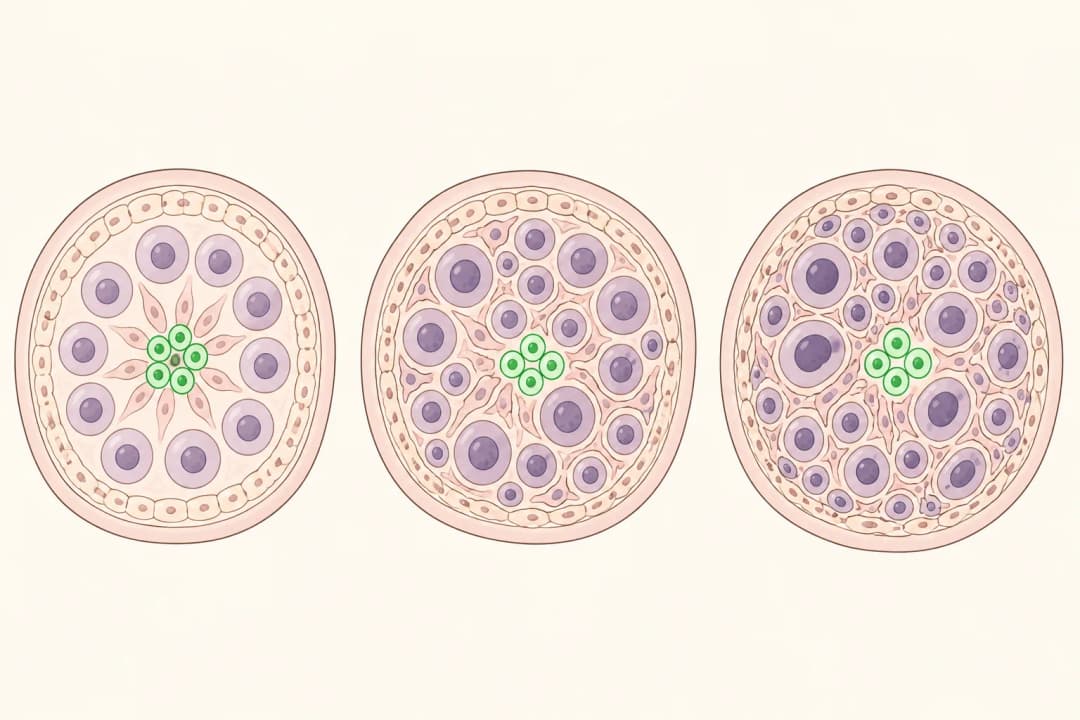
Testicular non-seminoma is a germ cell tumour managed with stage-based decisions involving surgery, tumour markers, imaging, and sometimes chemotherapy. The tumour may contain one or several non-seminoma components. A specialist uses the pathology report and marker pattern to decide whether observation or additional treatment is appropriate.
What doctors assess
Assessment includes the testicle and groin, blood markers before and after treatment, and imaging of areas where germ cell tumours may spread. Pathology can identify teratoma, embryonal carcinoma, yolk sac tumour, choriocarcinoma, or a mixture. A change in marker levels after surgery provides information, but it is interpreted with scans and clinical findings rather than alone.
Planning treatment
[Tumour Removal Surgery](/treatments/surgical-oncology/tumour-removal-surgery/) is commonly used to remove the testicle through the groin and establish the tissue diagnosis. Some people then have surveillance; others need [Chemotherapy](/treatments/systemic-therapy/chemotherapy/) or another procedure based on stage, markers, and pathology. Discuss sperm banking before treatment, because surgery and chemotherapy can affect fertility.
When to get help quickly
Sudden intense testicular pain or swelling needs urgent assessment because several conditions can cause it. After surgery, call promptly for increasing redness, drainage, fever, severe pain, or inability to pass urine. During chemotherapy, follow your emergency plan for fever, breathlessness, severe diarrhoea, or vomiting that prevents fluids.
Questions to bring
Ask what the pathology shows, which stage and risk group apply, and how marker results change the plan. Ask how often follow-up scans and blood tests are needed, what recovery may involve, and whether a testicular prosthesis or fertility support is available.
Questions people ask
Can testicular non-seminoma contain different tumour types?
Yes. A single tumour can contain several germ cell components, and the pathology mixture helps guide treatment.
Will treatment always include chemotherapy?
Not always. The recommendation depends on stage, marker results, pathology, scans, and your overall situation.
Related
Related reading
Keep reading
Cancer care in the UAE
Hospitals & Medical Centers in Abu Dhabi
Most UAE cancer care is delivered inside hospital services rather than by standalone oncology clinics, so these are licensed hospitals & medical centers listed in Abu Dhabi. Confirm the specific cancer service exists before you travel, and know that asking for a second opinion is routine.
Ahalia Hospital Musaffah Building - Musaffah - Musaffah Industrial - Abu Dhabi - United Arab Emirates
Accepts: Daman, Thiqa, AXA, Cigna +26 more
Al Ruwais Industrial City - Abu Dhabi - United Arab Emirates
Accepts: Daman, Thiqa, AXA, Cigna +30 more
Abu Dhabi, Abu Dhabi
Accepts: Daman, Thiqa, AXA, Cigna +30 more
Second opinions are routine in cancer care and asking for one does not affect your treatment. How to arrange a second opinion in the UAE.
Ordered by verification status and how complete each clinic's public record is, then alphabetically. This is a directory listing, not a ranking — Zavis does not rate or recommend providers.
A factual listing drawn from the DHA, DOH and MOHAP licence registers. It is not a referral, an endorsement, or advice that any of these providers is right for you.
Medical disclaimer. This page is general health information, not medical advice, and it cannot diagnose you. Always consult a licensed healthcare provider about your own symptoms and treatment. In an emergency in the UAE, call 998 for an ambulance.