
Nicotine dependence treatment: what to know
Short answer
Nicotine dependence treatment combines a planned change in nicotine use with support for cravings, withdrawal and daily triggers.
This answers one question. It is not a diagnosis and does not replace an assessment by a licensed doctor.
At a glance
- Treatment building blocks
- Behavioural support, trigger planning and a suitable medicine option
- Share with your clinician
- Products, timing, previous attempts and other medicines
What treatment covers
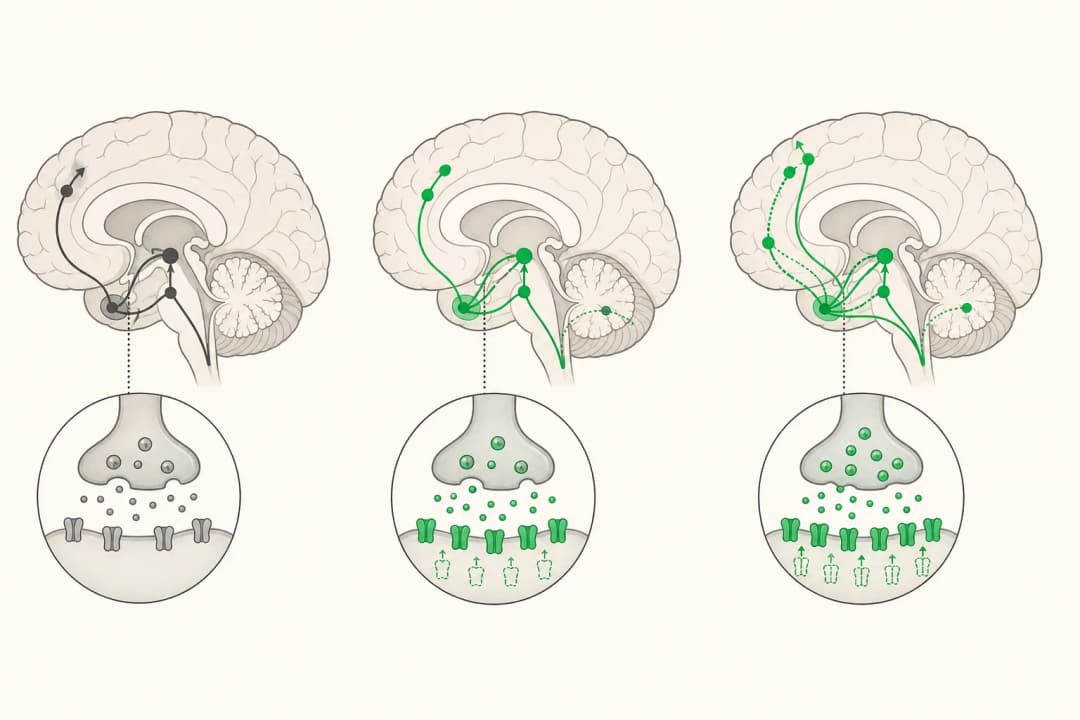
A useful plan starts by identifying your nicotine products, amount and timing, previous attempts, triggers and health conditions. Treatment may involve behavioural counselling, nicotine replacement or a prescription medicine; suitability depends on your medical history, pregnancy status, other medicines and preferences.
Withdrawal can include cravings, irritability, restlessness, low mood or trouble concentrating. These experiences are common reasons people return to nicotine, so planning for them is part of treatment rather than a sign that treatment has failed.
Making a plan
Choose a change date or a gradual reduction plan with clinical support. Remove products, tell supportive people what help you need, and prepare substitutes for routines such as after meals or during work breaks. Follow instructions for any medicine or nicotine replacement and report troublesome effects.
A Smoking Cessation Programme can provide structured coaching and follow-up. Mention a chronic cough, breathing problem or circulation symptom so your clinician can consider the whole picture.
When to seek care
Contact your clinician if cravings remain difficult, you return to regular use, or treatment causes symptoms you cannot manage. Seek urgent help for chest pain, severe breathlessness, fainting, coughing blood, or sudden weakness or numbness affecting one side of the body.
Questions for your doctor
Which treatment fits my nicotine products and health history? How will we manage withdrawal? What follow-up will help if I lapse?
Find care
General Clinics & Polyclinics in Abu Dhabi
That answer is general. If you want it applied to your own case, these are licensed general clinics & polyclinics listed in Abu Dhabi.
27 Ar Ruwwad St - Shakhbout City - MSH4 - Abu Dhabi - United Arab Emirates
Accepts: Daman, Thiqa, Cigna, MetLife +20 more
Al Ruwais, Al Dhafrah
Accepts: Daman, Thiqa, AXA, Cigna +16 more
Al Bahyah - Al Bahyah Old - Abu Dhabi - United Arab Emirates
Accepts: Daman, Thiqa, Cigna, Allianz Care +18 more
Abu Dhabi
Accepts: Daman, Thiqa, AXA, Cigna +27 more
Ordered by verification status and how complete each clinic's public record is, then alphabetically. This is a directory listing, not a ranking — Zavis does not rate or recommend providers.
A factual listing drawn from the DHA, DOH and MOHAP licence registers. It is not a referral, an endorsement, or advice that any of these providers is right for you.
Questions people ask
Is counselling part of nicotine dependence treatment?
It can be. Structured support helps you identify triggers, practise coping skills and adjust the plan.
What if I return to nicotine during treatment?
Contact your support team, describe the trigger and review the plan; a lapse can be addressed early.
Related
Related reading
Keep reading
Medical disclaimer. This page is general health information, not medical advice, and it cannot diagnose you. Always consult a licensed healthcare provider about your own symptoms and treatment. In an emergency in the UAE, call 998 for an ambulance.