
Nexplanon before and after: what to expect
Short answer
Before Nexplanon, confirm that it suits your health and contraception needs; after insertion, protect the site and monitor symptoms.
This answers one question. It is not a diagnosis and does not replace an assessment by a licensed doctor.
At a glance
- Placement
- Under the skin of the upper arm
- Aftercare
- Protect the site and follow clinic instructions
Before insertion and after removal
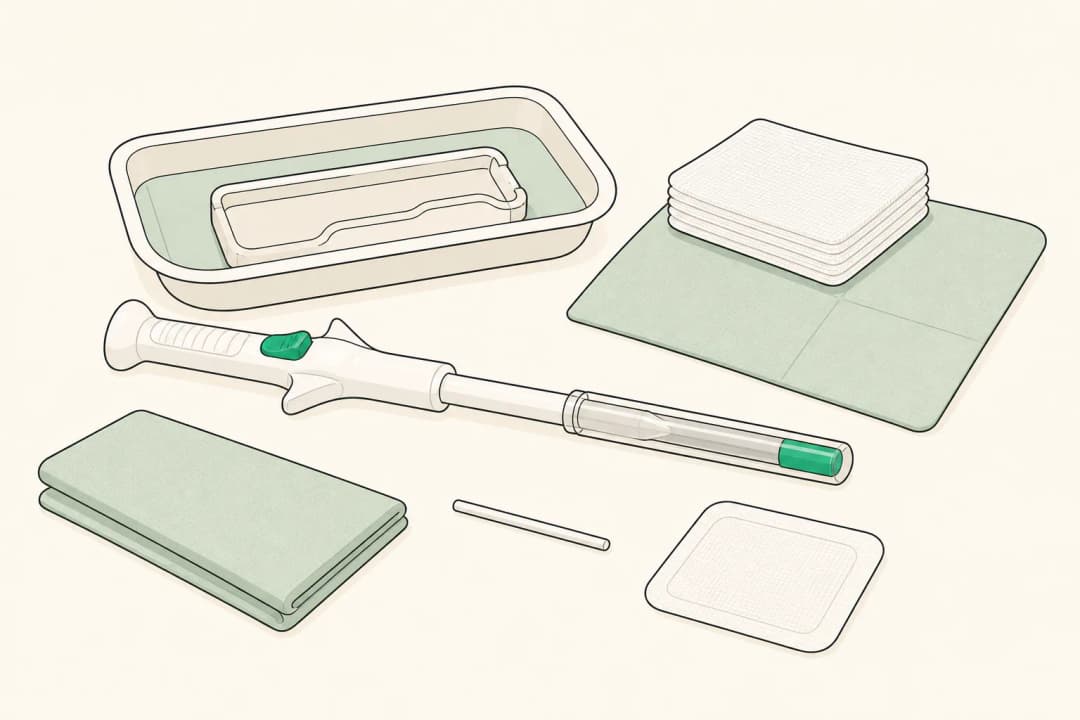
Before insertion, a clinician reviews your medical history, medicines, allergies, bleeding pattern, pregnancy possibility, and other contraception needs. Tell them about liver disease, unexplained vaginal bleeding, breast cancer history, or medicines and herbal products that may affect hormones. The rod is placed under the skin of the upper arm using local anaesthetic.
After insertion, bruising, tenderness, mild swelling, or a small amount of bleeding around the site can occur. Bleeding patterns may also change, including spotting or irregular periods. Nexplanon can be removed when you want a different method or when its approved use ends; fertility may return soon after removal, so plan another method if pregnancy is not desired.
How to prepare and recover
Wear clothing that leaves the upper arm easy to access. Follow the clinic's instructions about keeping the dressing clean and dry, and avoid pressing or knocking the area while it settles. Check that you can feel the rod as your clinician has shown you, but do not repeatedly handle it.
Keep the insertion and removal details with your health records. Use backup contraception when your clinician recommends it, because protection depends on timing and on whether the implant is correctly placed. Read the information for the etonogestrel implant before the appointment and discuss a hormonal coil if you prefer a different option.
When to seek care
Contact the clinic if redness, warmth, worsening pain, drainage, fever, numbness, or increasing swelling develops at the arm. Seek urgent help for chest pain, sudden breathlessness, severe headache with neurological symptoms, or a painful swollen leg. If you cannot feel the rod or think it has moved, use backup contraception and arrange an assessment.
Questions for your doctor
Ask when protection begins, which medicines matter, how to care for the dressing, how bleeding changes will be handled, and how removal or another method would be arranged.
Find care
General Clinics & Polyclinics in Abu Dhabi
That answer is general. If you want it applied to your own case, these are licensed general clinics & polyclinics listed in Abu Dhabi.
27 Ar Ruwwad St - Shakhbout City - MSH4 - Abu Dhabi - United Arab Emirates
Accepts: Daman, Thiqa, Cigna, MetLife +20 more
Al Ruwais, Al Dhafrah
Accepts: Daman, Thiqa, AXA, Cigna +16 more
Al Bahyah - Al Bahyah Old - Abu Dhabi - United Arab Emirates
Accepts: Daman, Thiqa, Cigna, Allianz Care +18 more
Abu Dhabi
Accepts: Daman, Thiqa, AXA, Cigna +27 more
Ordered by verification status and how complete each clinic's public record is, then alphabetically. This is a directory listing, not a ranking — Zavis does not rate or recommend providers.
A factual listing drawn from the DHA, DOH and MOHAP licence registers. It is not a referral, an endorsement, or advice that any of these providers is right for you.
Questions people ask
Is bruising after Nexplanon insertion expected?
Mild bruising or tenderness can occur, but worsening pain, redness, warmth, drainage, or fever should be assessed.
Can I change my mind after insertion?
Yes. Discuss removal and replacement contraception with a clinician if your needs or preferences change.
Related
Related reading
Keep reading
Medical disclaimer. This page is general health information, not medical advice, and it cannot diagnose you. Always consult a licensed healthcare provider about your own symptoms and treatment. In an emergency in the UAE, call 998 for an ambulance.