
Mumps epidemic: what to know
Short answer
During a mumps epidemic, reduce close contact, check vaccination records, and seek clinical advice for compatible symptoms or a known exposure.
This answers one question. It is not a diagnosis and does not replace an assessment by a licensed doctor.
At a glance
- Spread
- Close contact and saliva or respiratory droplets
- Response
- Phone before attending if symptoms are present
- Prevention
- Check your MMR vaccination record
How community spread works
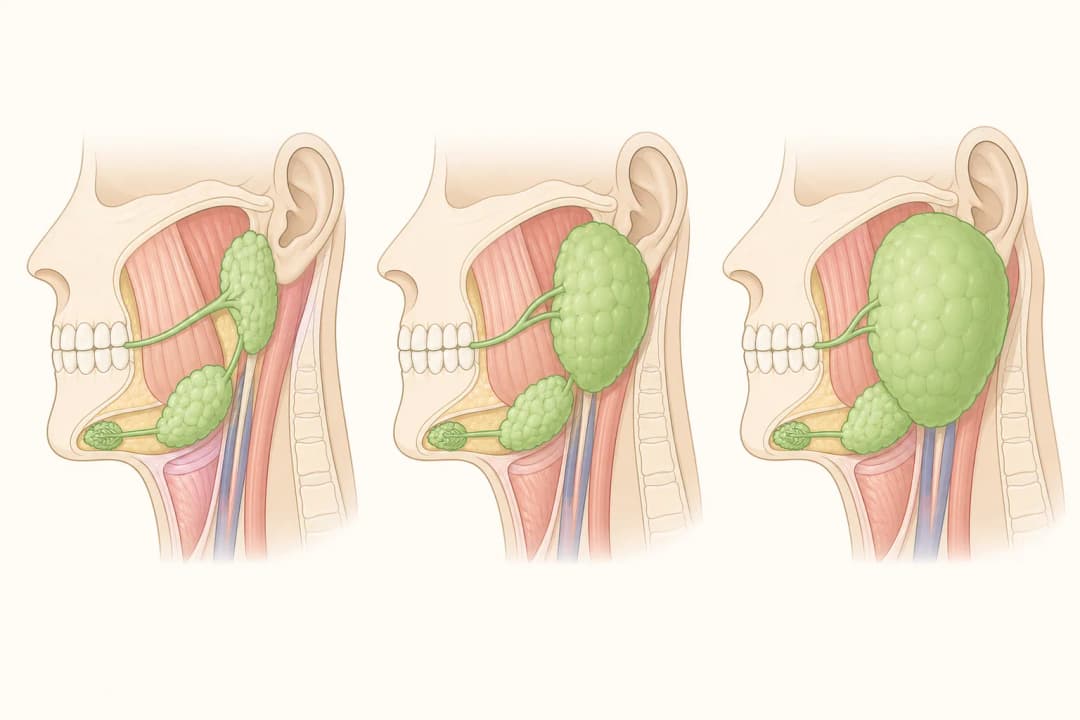
Mumps spreads through respiratory droplets and saliva during close contact, such as talking, coughing, sharing drinks or kissing. Clusters may occur where people spend time together, including households, schools and workplaces. Swelling near the jaw, fever, headache and tiredness are useful symptoms to report, but other infections can look similar.
An outbreak increases the chance of exposure; it does not establish that every swollen gland is mumps. A clinician may advise testing, temporary separation from others, or contact with local public-health services.
Steps that limit transmission
If you have symptoms, phone a GP before visiting and avoid close contact until you receive advice. Do not share cups, cutlery, towels or lip products. Wash hands regularly, cover coughs and sneezes, and improve ventilation in shared rooms. Rest and drink fluids while recovering.
Review your immunisation record with a clinician. MMR vaccination helps protect against mumps, measles and rubella, but it does not treat an illness already underway. Follow any exclusion advice given by your doctor or public-health team.
When symptoms need prompt attention
Arrange prompt medical assessment for fever with facial or jaw swelling, worsening pain, dehydration, or symptoms after a known exposure. Seek urgent help for severe headache, neck stiffness, confusion, seizures, breathing difficulty, or severe testicular or lower abdominal pain.
Questions to take to a consultation
Ask whether your symptoms fit mumps, whether testing is appropriate, how long you should stay away from others, and whether your household needs vaccination advice.
Find care
General Clinics & Polyclinics in Abu Dhabi
That answer is general. If you want it applied to your own case, these are licensed general clinics & polyclinics listed in Abu Dhabi.
27 Ar Ruwwad St - Shakhbout City - MSH4 - Abu Dhabi - United Arab Emirates
Accepts: Daman, Thiqa, Cigna, MetLife +20 more
Al Ruwais, Al Dhafrah
Accepts: Daman, Thiqa, AXA, Cigna +16 more
Al Bahyah - Al Bahyah Old - Abu Dhabi - United Arab Emirates
Accepts: Daman, Thiqa, Cigna, Allianz Care +18 more
Abu Dhabi
Accepts: Daman, Thiqa, AXA, Cigna +27 more
Ordered by verification status and how complete each clinic's public record is, then alphabetically. This is a directory listing, not a ranking — Zavis does not rate or recommend providers.
A factual listing drawn from the DHA, DOH and MOHAP licence registers. It is not a referral, an endorsement, or advice that any of these providers is right for you.
Questions people ask
Does an epidemic mean I have mumps?
No. It means spread is occurring in a community; symptoms still need clinical assessment because several infections can resemble mumps.
Can MMR treat current mumps?
No. MMR helps prevent future infection and does not treat symptoms that have already started.
Related
Related reading
Keep reading
Medical disclaimer. This page is general health information, not medical advice, and it cannot diagnose you. Always consult a licensed healthcare provider about your own symptoms and treatment. In an emergency in the UAE, call 998 for an ambulance.