
Mirena IUD for heavy periods: what to know
Short answer
Mirena may reduce heavy menstrual bleeding by thinning the womb lining, but early irregular bleeding and individual variation are possible.
This answers one question. It is not a diagnosis and does not replace an assessment by a licensed doctor.
At a glance
- How it works
- Local progestogen can thin the womb lining and reduce tissue shed during periods.
- Early pattern
- Spotting, cramps, and irregular bleeding may occur while the body adjusts.
- Before insertion
- Discuss pregnancy possibility, pain, discharge, medicines, and causes of heavy bleeding.
How Mirena can help
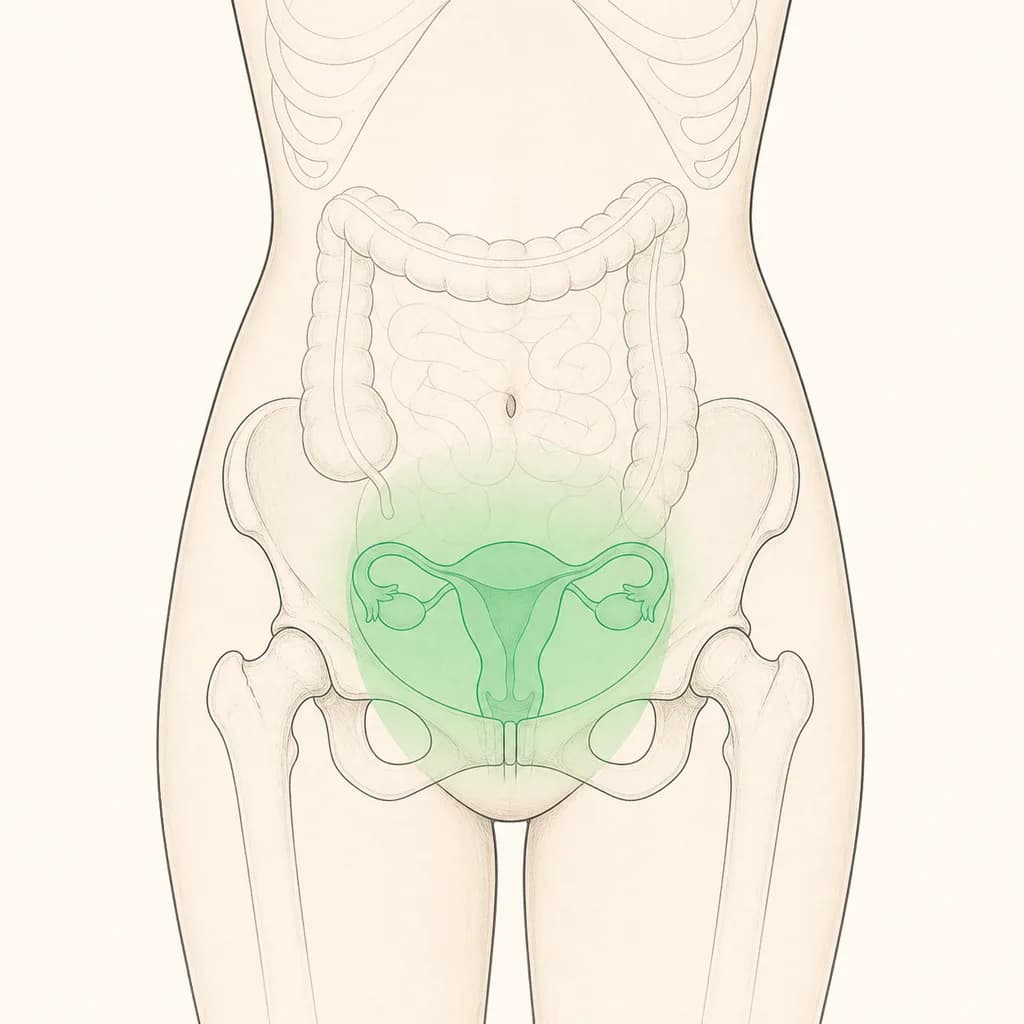
Mirena releases a progestogen inside the womb. This can make the lining thinner, so there is less tissue to shed during a period. It may be considered when heavy periods interfere with daily life, cause pain, or contribute to low iron. A clinician first considers why the bleeding is heavy. Fibroids, adenomyosis, endometrial polyps, endometrial hyperplasia, polycystic ovary syndrome, and perimenopause can all change menstrual flow.
The adjustment period may include spotting, cramps, or unpredictable bleeding before a clearer pattern develops. Some people continue to have troublesome bleeding or have a reason the device is unsuitable, so a personalised discussion matters.
Preparing for and monitoring treatment
Tell the clinician about pregnancy possibility, pelvic pain, unusual discharge, previous womb or cervical problems, medicines, and your typical bleeding pattern. Ask how insertion will be performed and what follow-up is planned. After insertion, record flow and cramps, and learn how to check the threads if advised. Keep your follow-up appointment even if bleeding improves, because persistent symptoms may need another explanation or treatment.
When to seek care
Get urgent medical advice for severe or worsening pain, fever, offensive discharge, faintness, very heavy bleeding, suspected pregnancy, or a device that seems to have moved. Do not pull on the threads or try to remove the device yourself.
Questions for your doctor
Ask whether the likely cause of your heavy periods has been assessed, how long an adjustment pattern may last, and which changes should prompt a call. Discuss iron testing, alternatives, and what happens if Mirena does not suit you.
Find care
General Clinics & Polyclinics in Abu Dhabi
That answer is general. If you want it applied to your own case, these are licensed general clinics & polyclinics listed in Abu Dhabi.
27 Ar Ruwwad St - Shakhbout City - MSH4 - Abu Dhabi - United Arab Emirates
Accepts: Daman, Thiqa, Cigna, MetLife +20 more
Al Ruwais, Al Dhafrah
Accepts: Daman, Thiqa, AXA, Cigna +16 more
Al Bahyah - Al Bahyah Old - Abu Dhabi - United Arab Emirates
Accepts: Daman, Thiqa, Cigna, Allianz Care +18 more
Abu Dhabi
Accepts: Daman, Thiqa, AXA, Cigna +27 more
Ordered by verification status and how complete each clinic's public record is, then alphabetically. This is a directory listing, not a ranking — Zavis does not rate or recommend providers.
A factual listing drawn from the DHA, DOH and MOHAP licence registers. It is not a referral, an endorsement, or advice that any of these providers is right for you.
Questions people ask
How does Mirena help heavy periods?
It releases progestogen in the womb, which can thin the lining and reduce the amount of tissue shed during menstruation.
Will Mirena suit everyone with heavy periods?
No. Suitability depends on the cause of bleeding, medical history, examination findings, and personal preferences; a clinician can discuss alternatives.
Related
Related reading
Keep reading
Medical disclaimer. This page is general health information, not medical advice, and it cannot diagnose you. Always consult a licensed healthcare provider about your own symptoms and treatment. In an emergency in the UAE, call 998 for an ambulance.